How to Propagate Dutchman's breeches?
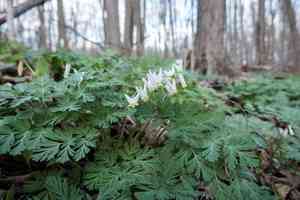
Dicentra cucullaria is a unique, enduring plant flourishing in woodland environments. To achieve optimal results, cultivators ought to employ newly harvested seeds, promptly planted in autumn to facilitate natural layering. These seeds require a duration of damp, cool conditioning for effective sprouting. After becoming rooted, Dicentra cucullaria can additionally multiply asexually by meticulously separating established clusters in early spring, making certain each segment possesses a part of the root system. Gentle manipulation during separation will aid in the prosperous development of new specimens.
When Is the Optimal Time to Propagate Dutchman's Breeches?
Method of Propagation
Seeding
Propagation Period
Spring
What Equipment Is Used for Dutchman's Breeches Propagation?
Seed Tray
Seed trays are vital for initiating dutchman's breeches's seeds indoors, offering a regulated setting beneficial for the initial growth phase. These trays assist in maintaining consistent soil moisture and temperature, crucial elements for the germination of dutchman's breeches.
Fine-Textured Seed Starting Mix
A fine-textured seed starting mix guarantees proper air circulation and moisture retention suitable for dutchman's breeches's small and delicate seeds. This type of soil mix prevents waterlogging, encouraging superior root development and germination rates.
Misting Bottle
A misting bottle is utilized to gently irrigate the seeds without dislodging them. Its fine spray is perfect for keeping dutchman's breeches's seeds and seedlings damp without eroding the soil or causing the seeds to wash away, thereby supporting uniform growth.
Grow Lights
Grow lights supply the necessary light spectrum when natural sunlight is insufficient, which is essential for dutchman's breeches's growth during the germination and seedling stages. They ensure the seedlings receive adequate light to prevent etiolation and promote strong, healthy development.
Heating Mat
A heating mat helps sustain a steady soil temperature, which is critical for the germination of dutchman's breeches. By providing gentle bottom warmth, the mat encourages quicker and more dependable seed germination, especially important in cooler climates or seasons.
How to Propagate Dutchman's Breeches?
Propagation Type
Simple
How to Care for Your Newly Propagated Dutchman's Breeches?
How to Care for Your Newly Propagated Dutchman's Breeches?
Post-propagation, gradually acclimate the seedlings to ensure a smooth transition to their new growing environment. Maintain consistent soil moisture and apply mulch to retain soil moisture and temperature. Protect young plants from intense sunlight and harsh winds. As dutchman's breeches is a woodland species, replicate shaded conditions by either selecting a naturally shaded area or employing artificial shade. Continue to monitor for pests and diseases, and avoid over-fertilizing, which can harm delicate seedlings.
Common Errors to Avoid When Propagating Dutchman's Breeches
Overwatering
Excessive watering can lead to root rot, which is detrimental to dutchman's breeches's delicate root system and hinders propagation success.
Poor soil mix
Using a soil mix that does not drain well or lacks organic matter can result in poor root development and unsuccessful propagation of dutchman's breeches.
Deep planting
Planting dutchman's breeches's tubers or seeds too deeply can impede germination or emergence, as they require a specific depth to thrive.
Ignoring dormancy requirements
Failing to acknowledge dutchman's breeches's need for a period of dormancy can disrupt its natural growth cycle, leading to poor plant vitality and propagation failure.
Neglecting division timing
Dividing dutchman's breeches at the wrong time can stress the plant and reduce the chances of successful propagation.
Tips For Propagating Dutchman's Breeches
Adequate moisture
Ensure the soil is kept moist but not waterlogged to support the healthy growth of dutchman's breeches's roots without causing rot.
Appropriate soil mix
Prepare a light, well-draining soil mix that is rich in organic matter to foster the robust development of dutchman's breeches's roots.
Correct planting depth
Plant dutchman's breeches's tubers or seeds at the appropriate depth, which is usually shallow, for optimal emergent growth.
Respect dormancy cycle
Observe dutchman's breeches's natural dormancy period by providing appropriate conditions for rest, which is crucial for its vigor and propagation success.
Timely division
Conduct division of dutchman's breeches's clumps during its specific period of active growth to ensure the best propagation outcomes.



