How to Propagate Squirrel Corn?
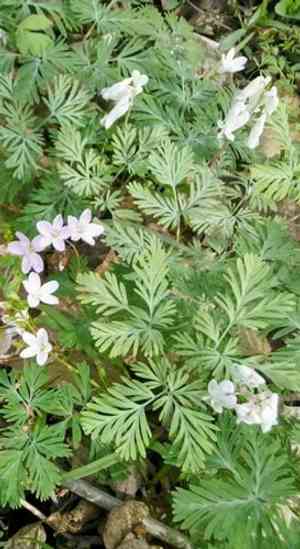
Dicentra canadensis, an indigenous North American perennial, flourishes in forested environments featuring damp, adequately drained earth. Its reproduction predominantly occurs through seeding. For effective sprouting, sustain uniform soil hydration and shield the germination area from intense solar exposure. Careful management of fragile root systems during relocation contributes to superior integration into the landscape.
Optimal Period for Squirrel Corn Propagation
Propagation Method
Seeding
Propagation Period
Spring
Essential Tools for Squirrel Corn Propagation
Seed Tray
A seed tray is crucial for initiating squirrel Corn seeds indoors. It facilitates uniform planting and easy control of environmental factors. Utilizing a seed tray helps maintain consistent soil moisture and warmth, both vital for squirrel Corn germination.
Fine Vermiculite
Fine vermiculite is suggested as a propagation medium component for squirrel Corn. Vermiculite enhances soil aeration and moisture retention, creating an optimal germination environment. This non-toxic mineral promotes faster root development and minimizes mold and fungal issues during the initial stages of squirrel Corn propagation.
Misting Bottle
A misting bottle is employed to gently water freshly sown squirrel Corn seeds. It provides controlled and even moisture distribution, essential for seed germination without causing soil erosion or disturbing delicate new roots. Consistent use helps maintain ideal humidity, which boosts germination rates.
Heat Mat
A heat mat is particularly advantageous for squirrel Corn. It supplies a steady heat source beneath the seed tray, which is crucial for seed germination, especially in cooler climates. The gentle warmth encourages quicker and more uniform seed sprouting for squirrel Corn.
Plastic Dome or Cover
A plastic dome or cover fits over the seed tray to help maintain high humidity and stable temperatures, key elements for the successful germination of squirrel Corn seeds. This tool also safeguards seeds from pests and reduces the frequency of watering required.
Label and Marker
Labels and markers are vital for tracking sowing dates, seed varieties, and other relevant information. Proper labeling ensures that squirrel Corn's specific care requirements are met during the propagation phase and simplifies future management as plants mature.
How to Propagate Squirrel Corn?
Propagation Type
Simple
Caring for Your Newly Propagated Squirrel Corn
Caring for Your Newly Propagated Squirrel Corn?
Post-germination, gradually introduce the young squirrel Corn plants to their permanent growing conditions. Ensure they are planted in a shaded location as squirrel Corn prefers cool, damp environments. Maintain soil moisture without overwatering, and apply a layer of mulch to help retain soil moisture and protect the roots. Fertilize sparingly, as squirrel Corn is sensitive to excessive fertilization. Regularly check for pests and diseases, especially during the active growth period.
Common Mistakes to Avoid When Propagating Squirrel Corn
Overwatering
Excessive watering can lead to root rot in squirrel Corn, which thrives in well-drained soil. Too much moisture can suffocate the plant's roots, hindering its growth and potentially causing fungal diseases.
Deep Planting
Planting squirrel Corn tubers too deeply can prevent them from sprouting effectively. This species requires shallow planting to ensure the tubers receive adequate exposure to the necessary warmth and light for sprouting.
Direct Sunlight
Exposing squirrel Corn to direct sunlight can scorch its delicate foliage. This plant prefers shaded or partially shaded environments as excessive sunlight can lead to leaf burn and reduce overall vitality.
Ignoring Soil Composition
Using unsuitable soil mixtures can impede the growth of squirrel Corn. This species favors rich, well-draining soil; using compact or clay-heavy soil can inhibit root development and drainage, leading to poor growth conditions.
Tips For Propagating Squirrel Corn
Correct Depth and Spacing
Plant squirrel Corn tubers at a shallow depth, approximately an inch below the soil surface, with ample spacing between them. This ensures that the tubers have sufficient room to develop without overcrowding, promoting healthier growth and easier maintenance.
Moisture Management
Maintain a balanced soil moisture level for squirrel Corn. The soil should be moist but not waterlogged. Implementing proper drainage in the planting area will help prevent standing water and reduce the risk of root diseases.
Use of Mulch
Applying a thin layer of organic mulch around squirrel Corn can help maintain the necessary moisture levels and protect against temperature fluctuations. Mulch also aids in keeping the soil loose and fertile, promoting better root growth.
Partial Shade Placement
Position squirrel Corn in a partially shaded area where it can receive filtered sunlight. This mimics its natural woodland habitat, providing ideal light conditions that encourage growth while protecting the plant from harsh direct sunlight.



