How to Propagate Chinese pink?
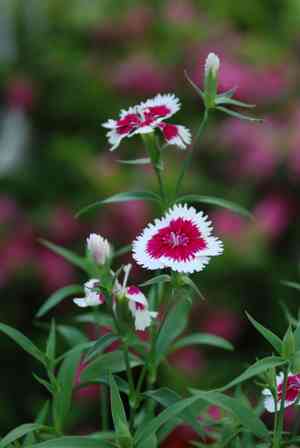
Chinese pink is most effectively reproduced by planting seeds in the springtime, necessitating intermediate propagation expertise. Successful outcomes are indicated by the sprouting of seeds and the robust development of young plants. Ensure steady hydration and shield from freezing temperatures for peak performance.
When Is the Best Time to Propagate Chinese Pink?
Propagation Method
Seeding
Propagation Period
Spring
What Equipment Is Used in Chinese Pink Propagation?
Seed tray
A seed tray offers a controlled setting for planting chinese pink seeds. It enables even seed distribution, simplifying the maintenance of consistent moisture and temperature, which are crucial for germination.
Potting mix
A premium, well-draining potting mix is essential for chinese pink seeding. It should be rich in nutrients and retain water effectively while still allowing proper drainage to prevent root rot.
Watering can with a fine rose attachment
This tool facilitates gentle watering of chinese pink seeds without disruption. The fine spray prevents soil erosion and ensures seeds are not dislodged, which is vital for successful germination.
Humidity dome or plastic wrap
Covering the seed tray with a humidity dome or plastic wrap helps maintain moisture and warmth, creating a beneficial greenhouse effect for chinese pink germination.
Labels or markers
Labels or markers are necessary for tracking chinese pink seed varieties, planting dates, and other key information that can impact care and propagation success.
Heat mat (optional)
A heat mat can be placed under the seed tray to maintain a steady soil temperature, especially useful for chinese pink seed germination if ambient temperatures are not ideal.
How to Propagate Chinese Pink?
Propagation Method
Seeding
Difficulty Level
Easy
How to Care for Your Newly Propagated Chinese Pink?
How to Care for Your Newly Propagated Chinese Pink?
After successfully propagating chinese pink, continue to water them regularly, allowing the soil to dry slightly between waterings. Place the plants in a location that receives at least 6 hours of sunlight daily. Fertilize them with a balanced, slow-release fertilizer according to label instructions. Monitor for pests and diseases, taking appropriate action if necessary. As chinese pink prefers cooler temperatures, mulching can help maintain consistent soil temperature and moisture. Deadhead spent flowers to encourage continuous blooming and a tidy appearance. Protect them from extreme winter cold with additional mulch or coverings if needed. With proper care, chinese pink will thrive and produce vibrant blooms.
Common Errors to Avoid When Propagating Chinese Pink
Overwatering
Excessive watering can lead to root rot and fungal diseases in chinese pink, as this species prefers well-drained soil and does not tolerate too much moisture.
Deep planting
Planting chinese pink cuttings or seeds too deeply can impede germination and rooting, as they require light for these processes and should be sown or placed near the soil surface.
Neglecting to pinch back
Failure to pinch back chinese pink's growing tips can result in leggy plants with fewer flowers. Pinching promotes a bushier growth habit and more abundant blooms.
Poor soil preparation
Using unamended or low-quality soil can lead to poor root development and stunted growth in chinese pink, as it needs nutrient-rich, well-draining soil for optimal growth.
Ignoring pest management
Inattention to signs of pests like aphids and spider mites can quickly lead to infestations that compromise the health and vigor of chinese pink.
Tips For Propagating Chinese Pink
Optimal cutting selection
Choosing healthy, non-flowering stems for cuttings increases the chances of successful rooting and propagation of chinese pink.
Use of rooting hormone
Applying a rooting hormone to the cut ends of chinese pink cuttings can significantly enhance root development and establishment.
Adequate spacing
Providing sufficient space between chinese pink seedlings or cuttings prevents overcrowding and allows for adequate air circulation, reducing the risk of fungal diseases.
Gentle handling
Handling chinese pink seedlings and cuttings with care is important to avoid damaging delicate roots and stems, which are crucial for successful propagation.
Regular monitoring
Keeping a consistent check on chinese pink's moisture levels, light conditions, and overall health can help catch potential issues early and ensure the best propagation outcomes.



