How to Propagate Carnation?
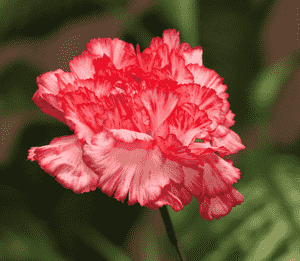
Carnation is usually propagated through sowing in spring, which is the ideal season for germination. Propagation is relatively easy, with successful signs including vigorous seedlings and sturdy roots. Maintain consistent moisture and warmth for optimal results.
What Is the Best Time To Propagate Carnation?
Propagation Type
Sowing
Propagation Season
Spring
What Tools Are Used in Carnation Propagation?
Seed trays or pots
These containers hold the medium in which carnation seeds are sown. They should have drainage holes to prevent waterlogging, which can cause seed rot.
Sterile seed-starting mix
A light, well-draining growing medium free from pathogens is critical for the germination of carnation seeds to avoid diseases that could hinder seedling development.
Plastic dome or cover
Creating a humid environment around the seed tray promotes moisture retention and can improve the germination rate of carnation.
Watering can with a fine rose
Provides gentle watering to moisten the seed-starting mix without disturbing or displacing carnation seeds.
Heating mat
Some carnation seeds benefit from bottom heat to maintain a consistent soil temperature, aiding in faster and more uniform germination.
Labels and marker
Used to label the containers with the sowing date and species to track progress and avoid confusion, especially when propagating multiple plants.
How to Propagate Carnation?
Propagation Type
Sowing
Difficulty Level
Easy
How to Care for Your Newly Propagated Carnation?
How to Care for Your Newly Propagated Carnation?
After propagating carnation, ensure proper care by regularly watering to keep the soil moist, providing full sun to partial shade for optimal growth, and feeding with a balanced fertilizer during the growing season. Deadhead spent blooms to encourage more flowers. Protect carnation from extreme temperatures and overwinter in zones where they are not hardy. Monitor for pests and diseases and treat accordingly.
Common Mistakes to Avoid When Propagating Carnation
Overwatering
Watering carnation too much can lead to root rot, a common issue where the roots decay due to excess moisture. This compromises the plant's foundation and can prevent successful propagation.
Planting depth
Inserting cuttings too deeply into the soil can cause carnation cuttings to rot because they lack sufficient air circulation. Conversely, very shallow planting may lead to drying out before rooting.
Neglecting humidity
Carnation cuttings require a humid environment to encourage rooting. Neglecting this can lead to desiccation and failure to root.
Ignoring hygiene
Using unsterilized tools or containers can introduce pathogens to carnation cuttings, potentially causing diseases that thwart propagation efforts.
Tips For Propagating Carnation
Soil preparation
Use a well-draining soil mix for carnation cuttings to prevent waterlogging while providing adequate moisture retention to support rooting.
Cutting selection
Choose healthy and non-flowering stems for cuttings to ensure that the plant's energy is directed towards root development rather than bloom production.
Rooting hormone
Applying a rooting hormone to carnation cuttings can significantly increase the odds of successful root formation by stimulating root growth at the cut site.
Indirect light
Place carnation cuttings in indirect light as direct sun can cause stress and excessive transpiration, hindering root development.



