How to Propagate Early deutzia?
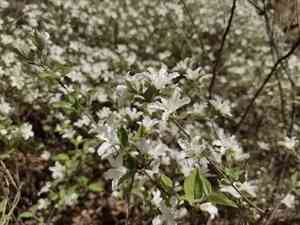
Originating from East Asia, Deutzia 1 is a captivating deciduous shrub known for its prominent white blossoms. Effective propagation of Deutzia 1 is achieved through cuttings. Collect semi-hardwood cuttings during mid-summer and establish them in damp, well-draining substrate. Maintain steady moisture and warmth to foster root growth. Consistent irrigation and a humid atmosphere are essential. Given appropriate attention, cuttings will rapidly develop strong root systems, leading to successful multiplication.
Optimal Time for Early Deutzia Propagation
Propagation Method
Cutting
Propagation Period
Autumn,Winter
Tools for Early Deutzia Propagation
Hand Pruners
Hand pruners are crucial for taking cuttings from healthy early deutzia plants. They enable precise cuts that minimize harm to the parent plant and the cutting. Sharp, clean blades are especially important to prevent disease spread and ensure cuttings are suitable for rooting.
Rooting Hormone
Rooting hormone is applied to encourage root growth on early deutzia cuttings. It contains compounds that stimulate root development, boosting the success rate of the propagation process. Using rooting hormone is particularly advantageous for early deutzia, as it can enhance the speed and strength of root formation.
Propagation Trays
Propagation trays offer a controlled environment for early deutzia cuttings to develop roots. These trays often feature cells or compartments that help manage the humidity and moisture levels required for successful rooting. Ensuring an ideal environment can lead to higher propagation success rates.
Misting System
A misting system helps maintain high humidity, which is vital for preventing early deutzia cuttings from drying out during the initial stages of propagation. Consistent moisture levels ensure that the cuttings do not wilt and can effectively establish roots.
Sharp Knife or Razor Blade
A sharp knife or razor blade is used to make clean and precise cuts on the early deutzia cuttings before applying rooting hormone. Clean cuts reduce the likelihood of infection and improve the callusing and rooting process.
Heat Mat
A heat mat provides bottom warmth to the propagation trays, which can accelerate root development for early deutzia cuttings. Consistent warmth can promote faster rooting and enhance overall propagation success, especially in cooler climates or during early spring.
Moisture Meter
A moisture meter assists in monitoring the soil moisture levels around early deutzia cuttings. Maintaining the correct moisture balance is critical; too much or too little water can cause rotting or desiccation of the cuttings, respectively. This tool helps ensure optimal moisture conditions.
Transparent Plastic Dome
A transparent plastic dome covers the propagation trays, creating a mini greenhouse effect by trapping humidity and warmth. This consistent environment helps reduce stress on the early deutzia cuttings, facilitating better root development.
Sterilizing Solution
A sterilizing solution is used to disinfect tools such as pruners and knives before and after taking early deutzia cuttings. This practice prevents the spread of pathogens and ensures that cuttings remain healthy and less prone to disease.
Difficulty of Early Deutzia Propagation
Propagation Type
Moderately Difficult
Post-Propagation Care for Early Deutzia
How to Care for Your Newly Propagated Early Deutzia?
Once roots have formed, typically within a few weeks, gradually introduce the young plants to outdoor conditions by increasing their exposure to sunlight. Transplant them to their permanent garden spot in well-draining soil. Water regularly but avoid overwatering, and provide occasional feeding with balanced fertilizer during the growing season. Prune lightly to maintain shape and encourage healthy growth.
Common Propagation Errors for Early Deutzia
Improper Soil Mixture
Using soil that is too dense or rich can hinder drainage and lead to root rot.
Overwatering
Excessive water can cause root rot and fungal diseases, impeding root development.
Insufficient Light
Placing cuttings in areas with inadequate light can slow down or prevent root formation.
Incorrect Cutting Technique
Using dull tools or improper cutting methods can harm the plant and decrease the likelihood of successful propagation.
Neglecting Humidity
Failing to maintain adequate humidity can cause the cuttings to dry out and perish.
Using Old or Diseased Cuttings
Utilizing cuttings from old, weak, or diseased plants reduces the chances of successful rooting.
Tips For Propagating Early Deutzia
Use Well-Draining Soil
Ensure the soil mixture is light and well-draining to prevent water accumulation and root rot.
Moderate Watering
Water the cuttings lightly and regularly, ensuring the soil remains moist but not waterlogged.
Provide Adequate Light
Place the cuttings in a bright, indirect light location to promote healthy growth without causing stress.
Sharp, Clean Tools
Use sharp, sterilized tools to take clean cuttings, minimizing damage and reducing disease risk.
Maintain Humidity
Cover the cuttings with a plastic dome or place them in a humidity-controlled environment to retain moisture.
Select Healthy Cuttings
Choose vigorous, healthy cuttings from a young, thriving plant to increase the chances of successful propagation.



