How to Propagate Black lady fern?
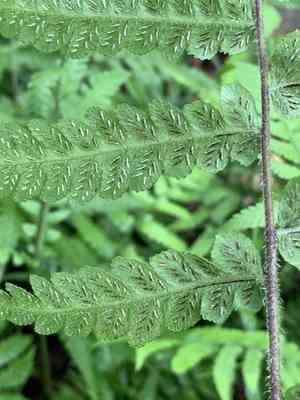
Athyrium niponicum thrives in damp, low-light conditions, making it an ideal selection for shaded garden areas. The most efficient propagation technique for this fern involves dividing its root structure, usually performed in the springtime. Start by carefully detaching the root masses, ensuring every new segment possesses sufficient roots and at least one leaf. Promptly replant into fertile, well-draining substrate, keeping the soil consistently hydrated to aid in the establishment of the new plants. This approach safeguards the vibrant, delicate features that render Athyrium niponicum a desirable garden specimen.
Optimal Period for Black Lady Fern Propagation
Propagation Method
Division
Propagation Period
Spring,Autumn
Tools Required for Black Lady Fern Propagation
Sharp Knife or Garden Scissors
These implements are crucial for carefully separating the rhizomes or root structures of black lady fern during the division process. A sharp blade or shears ensures a clean cut, minimizing plant tissue damage, which is vital for preventing infection and promoting quick healing and root establishment.
Sterilizing Agent (e.g., Rubbing Alcohol or Bleach Solution)
This substance is used to sanitize cutting tools before and after propagation. Sterilization prevents the spread of diseases between plants, a critical step in preserving the health and viability of black lady fern post-propagation.
Garden Fork or Spade
These are employed to gently lift the black lady fern from the soil, minimizing disruption to the root system of nearby plants. The design of these tools, especially a fork with tines, helps to effectively loosen the soil around the root ball, facilitating an easier and safer division.
Watering Can with a Fine Rose
Following the replanting of divisions, gentle irrigation is necessary. A watering can equipped with a fine rose attachment delivers a soft, even spray of water that does not erode the soil or harm the newly planted black lady fern divisions. This aids in establishing the divisions by settling the soil around the roots and providing essential hydration.
Rooting Hormone (Optional)
This can be advantageous for accelerating root development in the newly separated segments of black lady fern. While not always essential, applying a rooting hormone to the cut surfaces prior to planting can encourage faster establishment and robust root growth, which benefits the plant's overall vigor.
How to Propagate Black Lady Fern?
Propagation Type
Easy
How to Care for Your Newly Propagated Black Lady Fern?
How to Care for Your Newly Propagated Black Lady Fern?
Once propagated, black lady fern should be situated in an area with partial to full shade, as excessive sunlight can scorch its fronds. Continue to maintain consistently moist soil conditions, particularly during dry spells. Avoid overcrowding, as this can lead to reduced air circulation and increased susceptibility to diseases. Fertilize sparingly in the spring with a balanced, slow-release fern fertilizer to support healthy development.
Common Mistakes to Avoid When Propagating Black Lady Fern
Over-watering
Excessive watering of black lady fern can result in root rot and fungal infections. The fern prefers consistently damp soil, but too much water can suffocate the roots, reducing oxygen flow and causing the plant to wilt or perish.
Under-watering
Insufficient watering of black lady fern can lead to dehydration and impede root development. Although capable of tolerating occasional dryness, prolonged under-watering will cause dry fronds and stunted growth.
Using poor soil mix
Employing a poorly draining or nutrient-deficient soil mixture can negatively impact black lady fern's growth. The plant thrives in well-draining, fertile soil; inadequate soil can hinder proper root development and nutrient absorption.
Overcrowding
Overcrowding spores or rhizomes can restrict black lady fern's growth by creating competition for light, nutrients, and space. This results in weaker plants and diminishes overall health and propagation success.
Tips For Propagating Black Lady Fern
Appropriate soil preparation
Prepare a soil mixture rich in organic matter with good drainage for black lady fern. A blend of garden soil, peat, and sand or perlite provides optimal conditions for root health and moisture retention.
Adequate moisture
Maintain consistent moisture levels for black lady fern without overwatering. Implement a watering routine that keeps the soil moist but allows the surface to dry slightly before the next watering to promote healthy root growth.
Spore sowing method
When propagating black lady fern by spores, scatter them on the surface of a moist, sterile growing medium in a well-lit area but away from direct sunlight. Cover the container with plastic to maintain high humidity, which is essential for spore germination.
Dividing rhizomes carefully
Propagate black lady fern by carefully dividing rhizomes during the appropriate season. Ensure each division possesses at least one growing point and a portion of the root system. Plant divisions immediately and water thoroughly.



