How to Propagate Dwarf larkspur?
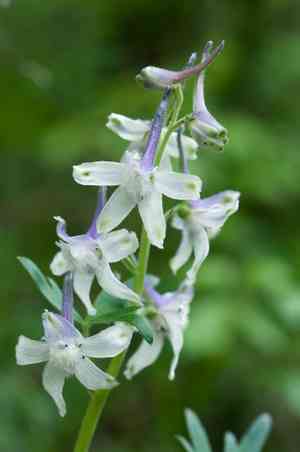
Dwarf larkspur can be effectively multiplied by planting its seeds. For the best outcomes, seeds ought to be recently collected and planted in a growing medium that drains efficiently. It is essential to sustain steady dampness without excessive watering, which could foster fungal infections. A thin layer of soil can offer the darkness necessary for sprouting, yet still permit young plants to emerge easily. Spacing out might be needed to prevent excessive density, which guarantees the robust growth of each individual plant. Optimal environments and attention can yield sturdy, flourishing dwarf larkspur specimens prepared for relocation.
Optimal Time for Dwarf Larkspur Propagation
Propagation Method
Seeding
Propagation Period
Spring
Tools for Dwarf Larkspur Propagation
Seed trays
Seed trays are vital for initiating dwarf larkspur's seeds indoors or in controlled settings. These trays aid in organizing the planting process and can hold multiple seeds in a small area, ensuring efficient use of soil and resources. Utilizing seed trays allows for improved management of environmental factors like moisture and temperature, which are critical for successful dwarf larkspur germination.
Potting mix
A premium potting mix offers the necessary nutrients and aeration for dwarf larkspur's seeds. The potting mix should drain well yet retain sufficient moisture to support seed germination and early root growth. An ideal potting mix for dwarf larkspur includes components such as peat, perlite, and vermiculite, facilitating easier root development and minimizing the risk of soil-borne illnesses.
Watering can with a fine rose
A watering can equipped with a fine rose attachment is perfect for gently irrigating dwarf larkspur's seeds without dislodging them. The fine rose ensures a soft, shower-like effect, essential for maintaining soil moisture without causing erosion or exposing the seeds. Adequate and gentle watering promotes uniform germination and prevents seedling damage, contributing to healthier young plants.
Clear plastic dome or covering
A transparent plastic dome or cover fits over seed trays to maintain a humid and stable environment, enhancing moisture retention and warmth. This tool is particularly beneficial for dwarf larkspur, as it replicates the natural, damp conditions favorable for germination. The covering also shields seeds from pests and reduces water loss, minimizing the need for frequent watering.
Labels and markers
Labeling is crucial for identifying and organizing different batches of dwarf larkspur, especially when dealing with multiple plant varieties. Labels help track germination and growth progress, ensuring appropriate care is provided throughout the various developmental stages. This tool also prevents confusion and aids in documenting plant growth for future propagation cycles.
How to Propagate Dwarf Larkspur?
Propagation Type
Simple
Caring for Your Newly Propagated Dwarf Larkspur
Caring for Your Newly Propagated Dwarf Larkspur
Once dwarf larkspur seedlings have grown, thin them to prevent overcrowding and encourage stronger development. Gradually acclimatize the young plants to outdoor conditions before transplanting them to their permanent garden spot. Water regularly, especially during dry spells, and apply a balanced fertilizer every four to six weeks during the growing season. As dwarf larkspur prefers shaded locations, ensure protection from intense midday sun. Apply mulch around the base to retain soil moisture and regulate soil temperature. In winter, provide some frost protection if necessary.
Common Propagation Mistakes for Dwarf Larkspur
Overwatering
Excessive watering can lead to root rot, which is particularly harmful to dwarf larkspur due to its preference for well-drained soil. Saturated conditions can hinder root development and compromise the plant's overall health.
Deep planting
Planting dwarf larkspur's seeds or divisions too deeply can prevent them from germinating or emerging from the soil due to insufficient light and air circulation. This can reduce propagation success and potentially lead to decay.
Overcrowding
Overcrowding can hinder dwarf larkspur's growth by reducing access to adequate sunlight and airflow between plants. It can increase the risk of fungal diseases and may result in weaker plants due to competition for nutrients.
Neglecting to stratify
Failing to stratify seeds indoors before sowing can result in low germination rates for dwarf larkspur. Seed stratification simulates natural winter conditions and is essential for breaking seed dormancy.
Tips For Propagating Dwarf Larkspur
Soil preparation
Prepare a well-draining soil mix for dwarf larkspur, as proper drainage is crucial to avoiding root rot and other water-related diseases. Adding organic matter may improve soil structure and fertility.
Shallow sowing
Sow dwarf larkspur's seeds shallowly, at a depth of about 1/8 inch, to ensure they receive adequate light for germination. Cover them lightly with soil to secure them while still allowing light penetration.
Appropriate spacing
Allow sufficient space between each plant to ensure good air circulation and adequate sunlight, which helps prevent disease and supports robust growth in dwarf larkspur.
Seed stratification
Stratify dwarf larkspur's seeds for about 2-3 weeks before planting. This procedure involves exposing seeds to cooler temperatures to mimic natural overwintering, which stimulates germination.



