How to Propagate Twolobe larkspur?
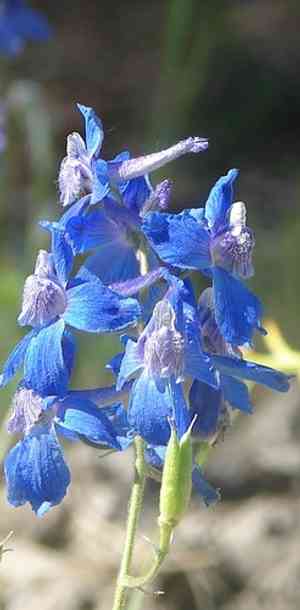
Delphinium twolobe, a species within the Ranunculaceae family, flourishes when reproduced by planting its seeds. Directly cultivating these seeds in adequately drained earth guarantees a significant rate of success. Establish a rich, damp seedbed in an area with partial shade, replicating its natural environment for peak development. The seeds necessitate stratification, a process that imitates cold weather to end their dormant phase. Following stratification, uniformly scatter the seeds and lightly cover them with soil. Consistent irrigation, avoiding excessive moisture, encourages sprouting and successfully establishes nascent plants.
Optimal Time for Twolobe Larkspur Propagation
Propagation Method
Seeding
Propagation Period
Spring
Tools for Twolobe Larkspur Propagation
Seed trays
Seed trays are vital for planting twolobe larkspur seeds. They enable uniform seed distribution and spacing, promoting proper air circulation and preventing disease spread. Using seed trays ensures each seedling has ample room to grow without competition during initial development.
Fine-grained soil mix
A fine-textured soil mix is essential for the delicate twolobe larkspur seeds. This soil type ensures good contact between seeds and soil, crucial for germination. It also maintains the necessary moisture and air balance, boosting germination rates and supporting early root growth.
Misting bottle
A misting bottle is used to gently water twolobe larkspur seeds without dislodging them. It delivers a fine spray that adequately moistens the soil without causing erosion or exposing the seeds, creating a stable germination environment.
Plastic dome or cover
A plastic dome or cover is recommended to maintain consistent humidity and temperature for twolobe larkspur seedlings. It creates a greenhouse-like effect, encouraging faster germination and early growth by keeping the environment stable and protected from external changes.
Tweezers
Tweezers are useful for handling the tiny twolobe larkspur seeds during planting. They ensure precise seed placement in the soil, reducing waste and providing optimal spacing, which is critical for each seed's individual growth.
Labeling materials
Accurate labeling is crucial when propagating multiple species or varieties. Labels help track growth stages and specific needs of each twolobe larkspur seed batch, ensuring they receive appropriate care throughout the propagation process.
How to Propagate Twolobe Larkspur?
Propagation Difficulty
Easy
Caring for Newly Propagated Twolobe Larkspur
Caring for Newly Propagated Twolobe Larkspur
To ensure successful establishment of twolobe larkspur after propagation, water them consistently during their initial growing season to encourage strong root development. However, avoid overwatering as twolobe larkspur does not tolerate waterlogged soil. Provide support as twolobe larkspur stems grow, using stakes if needed, as they can reach significant heights and may be susceptible to wind damage. Remove spent flowers to promote further blooming and consider applying a balanced fertilizer in early spring. Protect twolobe larkspur from slugs and snails, which are particularly attracted to young foliage.
Common Propagation Mistakes for Twolobe Larkspur
Overwatering
Excessive watering can lead to root rot and fungal diseases, compromising twolobe larkspur's health and reducing successful propagation due to its preference for well-drained soil.
Using dense soil
Heavy soil can impede root growth and hinder drainage, which is detrimental to twolobe larkspur's development as they require loose, well-draining soil to thrive.
Excessive feeding
Over-fertilization can burn roots or cause excessive foliage growth at the expense of flowers, thereby impacting the overall propagation efforts for twolobe larkspur.
Taking cuttings from unhealthy plants
Cuttings from unhealthy or weak plants are less likely to root successfully, negatively affecting the propagation outcomes for twolobe larkspur.
Ignoring pest management
Failing to manage pests during propagation can lead to infestations that stunt growth and prevent the eventual establishment of twolobe larkspur.
Tips for Propagating Twolobe Larkspur
Choose healthy parent plants
Selecting vigorous and healthy specimens for propagation ensures that cuttings or seeds have the best chance of developing into strong twolobe larkspur plants.
Use well-draining propagation medium
Employing a propagation medium with excellent drainage is crucial for preventing waterlogged conditions that could impede twolobe larkspur's root formation.
Provide indirect light
Ensuring twolobe larkspur cuttings or seeds receive adequate but indirect sunlight helps prevent scorching while providing sufficient energy for growth.
Maintain moderate humidity
Keeping the environment around twolobe larkspur moderately humid fosters good growth conditions without encouraging fungal diseases.
Monitor water needs carefully
Providing twolobe larkspur with consistent but not excessive moisture is vital for healthy root development and successful propagation.



