How to Propagate Wild carrot?
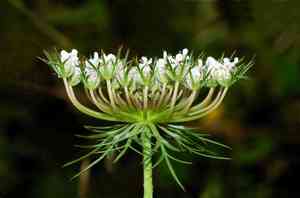
For wild carrot, the favored method of reproduction involves planting seeds in the springtime, presenting a medium challenge. Thriving, verdant young plants signify successful cultivation. Sufficient hydration and soil that drains effectively are crucial for the best outcomes.
Optimal Time for Wild Carrot Propagation
Propagation Method
Seeding
Propagation Period
Spring
Essential Tools for Wild Carrot Propagation
Seed trays
Seed trays offer an organized method to initiate numerous wild carrot seeds within designated compartments. This prevents congestion and enables individual care for each seedling. The cell dimensions in the tray accommodate the delicate root systems of wild carrot without disruption. These trays are particularly vital for maintaining consistent moisture and temperature, both critical for wild carrot germination.
Fine-textured seed starting mix
Employing a fine-textured seed starting mix guarantees that the tiny wild carrot seeds establish good contact with the soil, which is crucial for water absorption and sprouting. The mixture is typically sterile, lowering the risk of soil-borne diseases that could harm wild carrot seedlings.
Mist spray bottle
A mist spray bottle offers a gentle approach to keep the soil damp during the germination of wild carrot seeds. Excessive watering can be harmful to wild carrot seeds, potentially leading to rot. A mist spray allows for precise control over moisture levels.
Grow lights or sunny location
Wild carrot seeds require sufficient sunlight for photosynthesis once they have sprouted. Grow lights can supplement natural sunlight, ensuring wild carrot seedlings receive the necessary light intensity without scorching.
Plastic dome or cover
A plastic dome or cover placed over the seed tray creates a greenhouse-like environment, preserving humidity and warmth to aid in the germination of wild carrot seeds. It can be removed periodically for ventilation and to prevent fungal growth.
Heating mat
A heating mat is advantageous if ambient temperatures are not ideal for wild carrot seed germination. The mat gently warms the soil, encouraging faster germination and more robust early development.
Fine-pointed tweezers
Fine-pointed tweezers can be used to precisely handle tiny wild carrot seeds, placing them in the soil without causing damage. They also assist in thinning out seedlings that are too close, reducing competition for light and nutrients.
Soft brush
A soft brush helps in uniformly distributing wild carrot seeds over the soil surface during sowing, which is important for consistent germination rates. It prevents seed clumping and ensures proper spacing.
Steps to Propagate Wild Carrot
Propagation Method
Seeding
Difficulty Level
Easy
Post-Propagation Care for Wild Carrot
How to Care for Your Newly Propagated Wild Carrot?
Following propagation, continue to water wild carrot consistently, especially during dry spells, to encourage deep root development. Fertilization is generally unnecessary as wild carrot tolerates low fertility. Keep the area free of weeds. Wild carrot possesses a long taproot, making them quite drought-resistant, but consistent soil moisture yields the best outcomes. Once wild carrot mature, you can harvest the roots, if desired, or allow them to self-seed for future growth.
Common Errors to Avoid When Propagating Wild Carrot
Overwatering
Water requirements for wild carrot must be balanced, as excessive watering can cause root rot. This damp condition attracts pests and can harbor fungal diseases, impeding growth and potentially killing young plants.
Planting seeds too deep
Wild carrot seeds need light to germinate effectively. If buried too deeply, they might not emerge through the surface, leading to poor germination rates.
Ignoring soil texture
Wild carrot prefers well-draining soil. Using heavy clay soil or a medium that retains too much moisture can hinder root development and diminish overall plant health.
Overcrowding
Wild carrot requires adequate space for root expansion. Overcrowding can restrict root growth and reduce access to nutrients, resulting in weaker plants less likely to thrive.
Neglecting weeds
Allowing weeds to grow alongside wild carrot can be detrimental, as weeds compete for nutrients, water, and light. This competition can stunt growth and reduce propagation success.
Advice for Propagating Wild Carrot
Light exposure for seeds
Sow wild carrot seeds superficially to ensure they receive sufficient light for proper germination, while also ensuring just enough soil cover to maintain moisture.
Soil preparation
Ensure the planting medium for wild carrot is loose and well-draining to promote healthy root development and prevent waterlogging.
Proper spacing
Space the seeds or plants of wild carrot appropriately to encourage air circulation, minimize disease transmission, and allow for healthy root and foliage growth.
Weed management
Maintain a regular weeding schedule to reduce competition and ensure that wild carrot receives ample nutrients and resources necessary for successful growth.
Moisture regulation
Monitor soil moisture levels closely and water wild carrot appropriately. Aim for consistent moisture without overwatering to support steady growth and prevent root diseases.



