How to Propagate February daphne?
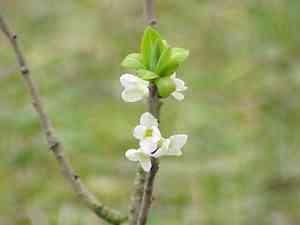
Daphne mezereum can be successfully multiplied via cuttings, with semi-ripe wood being the preferred type. Start by choosing a robust, non-blooming stem to enhance the likelihood of successful root development. Make a 45-degree incision directly beneath a leaf joint using sharp, sanitized pruners to ensure a clean cut and deter disease. Detach the bottom leaves to avert decay and immerse the severed tip in rooting compound to encourage development. Plant the cutting in a growing substrate that drains well, keeping it consistently moist but not saturated. A warm setting with diffused illumination aids in root formation, which usually becomes apparent within several weeks.
Optimal Period for February Daphne Propagation
Propagation Method
Cutting
Propagation Season
Autumn,Winter
Tools Required for February Daphne Propagation
Sharpe Pruning Shears
These shears are vital for making clean cuts on semi-hardwood stems of february daphne. A precise cut minimizes tissue damage, significantly boosting the chances of successful rooting. The sharp blades prevent crushing plant tissues, thereby lowering the risk of disease and decay.
Rooting Hormone Powder
This hormone assists in stimulating root development from february daphne cuttings. By applying a rooting hormone, cuttings are encouraged to produce roots more quickly and effectively, enhancing the overall propagation success rate. This is especially important for february daphne, which can be challenging to root.
Sterile Potting Mix
Utilizing a sterile potting mix is crucial for february daphne cuttings to prevent soil-borne diseases, which can severely impact the viability of new plants. A well-draining and nutrient-balanced mix supports healthy root growth without retaining excessive moisture that could lead to root rot.
Humidity Dome
This tool provides a controlled humid environment essential for february daphne cuttings to prevent them from drying out before roots establish. Maintaining high humidity around cuttings ensures the transpiration rate is reduced, helping stems retain moisture critical for new root development.
Propagating February Daphne: A Guide
Propagation Type
Moderately Difficult
Post-Propagation Care for February Daphne
Post-Propagation Care for February Daphne
After successful propagation, continue to water the new february daphne plants regularly, allowing the soil to dry slightly between waterings. Position them in a spot with filtered sunlight, and apply a balanced, slow-release fertilizer to encourage robust growth. Shield february daphne from strong winds and extreme temperatures, and ensure they are in well-drained soil to prevent root rot.
Common Errors to Avoid When Propagating February Daphne
Inadequate rooting medium
Using a low-quality rooting medium can lead to insufficient aeration and drainage, which might cause the roots of february daphne to rot.
Excessive moisture
Overwatering february daphne cuttings can increase the risk of fungal infections and root rot, impeding growth and potentially leading to plant death.
Neglecting hygiene
Not sterilizing tools or using contaminated soils when propagating february daphne can introduce pests or diseases, hindering healthy development.
Improper cutting selection
Using weak or diseased cuttings from february daphne fails to provide a strong foundation for new growth, often resulting in unsuccessful propagation.
Overuse of hormones
Applying too much rooting hormone to february daphne cuttings can damage the cutting's base and impair root formation.
Advice for Propagating February Daphne
Rooting medium choice
Select a well-draining, sterile propagation medium, such as a mix of perlite and peat, to encourage healthy root development in february daphne.
Moisture regulation
Keep the rooting medium of february daphne consistently moist but not waterlogged, to support root growth without promoting rot.
Sterilization practices
Always use clean, sterilized cutting tools and pots for february daphne to prevent the spread of diseases and ensure vigorous growth.
Healthy cutting selection
Choose mature, healthy stems from february daphne for cuttings, as they contain more stored energy and rooting potential.
Rooting hormone application
Apply a moderate amount of rooting hormone to the base of february daphne cuttings to stimulate root growth without causing damage.



