How to Propagate Scotch broom?
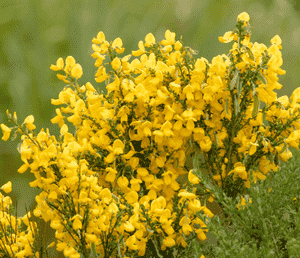
Scotch broom primarily propagates via stem sections and ground layering, typically in the fall and winter seasons. This method of reproduction is reasonably straightforward, with successful establishment evidenced by the emergence of new shoots. For best outcomes, confirm that cuttings possess a node and maintain consistent moisture in the growing medium.
When Is the Optimal Time to Propagate Scotch Broom?
Propagation Method
Cutting
Propagation Period
Autumn,Winter
What Equipment Is Used in Scotch Broom Propagation?
Sharp pruning shears
Pruning shears are essential for taking healthy and precise cuttings from scotch broom. Sharp blades ensure a clean cut without damaging plant tissues, which could otherwise lead to disease or poor rooting.
Rooting hormone
Applying rooting hormone to the base of the cuttings of scotch broom enhances root development. It fosters quicker establishment and stronger root systems, increasing the likelihood of successful propagation.
Sterilizing agent (e.g., isopropyl alcohol or bleach solution)
Using a sterilizing agent to clean tools before cutting scotch broom prevents the transmission of pathogens, ensuring the health of the cuttings and the parent plant.
Propagation tray or pots
These containers are necessary to hold the cuttings of scotch broom in a stable environment after they have been treated with rooting hormone. They should have adequate drainage to prevent water-logging, which can lead to rot.
Potting mix or perlite
A well-draining, sterile medium like potting mix or perlite is essential for the cuttings of scotch broom to develop roots. The medium should retain moisture while allowing excess water to drain, promoting aeration and preventing rot.
Plastic covering or humidity dome
Maintaining high humidity around scotch broom cuttings is vital for preventing moisture loss from the leaves. A plastic covering or dome helps create a mini greenhouse effect, which aids in keeping the humidity levels high.
Heating mat (optional)
For scotch broom, a heating mat provides consistent bottom heat which can encourage faster and more even rooting, especially in cooler environments or during colder months.
How to Nurture Your Newly Propagated Scotch Broom?
How to Nurture Your Newly Propagated Scotch Broom?
After the scotch broom cuttings have rooted successfully, gradually acclimate them to outdoor conditions if they were started indoors. Transplant them to a sunny location in well-draining soil and water regularly until established. Scotch broom prefers a slightly acidic to neutral soil pH and does not require heavy fertilization. Monitor for pests and diseases, and prune in late winter or early spring to maintain shape and promote vigorous growth.
Common Errors to Avoid When Propagating Scotch Broom
Overwatering
Excessive moisture can lead to root rot and fungal diseases, reducing scotch broom's chance of successful propagation.
Deep planting
Planting scotch broom's cuttings too deeply can suffocate the stem and inhibit root growth, which is counterproductive for establishing new plants.
Ignoring soil conditions
Failing to provide a well-draining soil mix can result in waterlogged conditions that are detrimental to scotch broom's root development.
Neglect of hardening off
Transferring scotch broom directly from a controlled indoor environment to outdoors without acclimatization could shock the plant, potentially leading to transplant failure.
Using dull tools
Cutting scotch broom with non-sterile or dull tools can damage the tissues and introduce pathogens, compromising the cutting's viability.
Advice For Propagating Scotch Broom
Sterile equipment
Using sterile pruning shears or knives ensures healthy cuttings by preventing the spread of disease to scotch broom.
Appropriate cutting size
Ensuring cuttings are the correct size, typically 4-6 inches long, promotes better root development and overall health for scotch broom.
Indirect light
Providing a bright, indirect light environment encourages scotch broom's cuttings to establish roots without the stress of direct sunlight.
Well-draining medium
Using a well-draining propagation medium aids in preventing waterlogging, which is crucial for the root health of scotch broom.
Progressive hardening off
Gradually acclimatizing scotch broom to outdoor conditions reduces transplant shock, increasing the likelihood of successful propagation.



