How to Propagate Lemon grass?
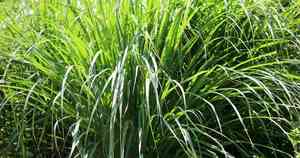
The most effective method for propagating Lemon grass is through division, ideally performed in the Spring and Autumn seasons. This process is quite straightforward, and the emergence of new shoots indicates successful propagation. For the best results, confirm that each division possesses a robust root system.
Optimal Period for Lemon Grass Propagation
Propagation Method
Separation
Propagation Period
Spring, Autumn
Tools for Lemon Grass Propagation
Sharp Knife or Garden Shears
A keen knife or pair of garden shears is vital for dividing the root ball of lemon grass. These implements must provide a clean incision to prevent root damage and minimize disease risk. They should be sanitized prior to use to ensure healthy, pathogen-free cuttings.
Spade or Trowel
A spade or trowel is utilized to gently extract lemon grass from the earth, especially when separating it from a larger cluster. This tool is crucial for minimizing root disturbance and ensuring ample roots remain attached to the divisions, which is key for successful propagation.
Watering Can with Fine Rose
Following the planting of lemon grass divisions, a watering can equipped with a fine rose attachment delivers a gentle water flow. This is essential to avoid dislodging newly planted divisions and aids in settling the soil around the roots, fostering good soil contact and reducing air pockets.
Rooting Hormone (Optional)
Though not always required, a rooting hormone can stimulate root development in the separated sections of lemon grass. This product can be particularly advantageous in encouraging rooting in divisions with smaller amounts of attached root tissue.
Potting Mix or Soil Amendment
A premium potting mix or soil amendment is crucial for lemon grass divisions, providing necessary nutrients and proper soil structure. The blend should offer good drainage while retaining sufficient moisture to help new divisions establish themselves.
Label and Marker
Labels and markers can be employed to track lemon grass divisions, including the propagation date. This is important for monitoring growth and development, and for ensuring appropriate care throughout the various propagation stages.
Gloves
Gloves safeguard hands from cuts and soil-borne pathogens during the lemon grass division process. They also offer improved grip when handling tools and plant material.
Propagating Lemon Grass: A Guide
Propagation Method
Division
Difficulty Level
Simple
Post-Propagation Care for Lemon Grass
Post-Propagation Care for Lemon Grass
Caring for lemon grass after propagation involves ensuring adequate sunlight, warmth, and moisture. Water regularly to maintain consistently moist soil, but avoid overwatering to prevent root rot. Fertilize with a balanced, slow-release product as per instructions to encourage growth. Trim as needed to promote bushiness and remove yellowing or dead leaves to maintain plant health.
Common Errors to Avoid When Propagating Lemon Grass
Insufficient cutting size
Cuttings that are too short or lack enough leaf nodes will not possess adequate energy reserves or sufficient area for root development. This significantly diminishes the likelihood of successful propagation.
Excessive watering
Too much moisture can lead to root rot and fungal diseases, which can be lethal for lemon grass.
Neglecting leaf trimming
Leaving too many leaves on cuttings can result in excessive water loss through transpiration, stressing the cutting before it can establish new roots.
Using blunt tools
Cutting lemon grass with dull blades can crush plant tissue, impeding healing and increasing the risk of disease.
Planting too deeply
Inserting cuttings too far into the soil can cause the base to decay before it has time to establish roots.
Lemon Grass Propagation Tips
Appropriate cutting size
Select healthy stalks and make cuttings with at least one to two leaf nodes. A length of 4-6 inches is ideal to ensure sufficient energy reserves for root growth.
Moisture regulation
Keep the soil consistently moist but not waterlogged. Utilizing a well-draining soil mix helps prevent issues from overwatering.
Leaf trimming
Remove the lower leaves to minimize water loss and leave only a few at the top to support photosynthesis and growth.
Sharp implements
Use sharp, clean shears or knives for precise cuts. This promotes faster healing and reduces the chances of infections.
Correct planting depth
Plant cuttings shallow enough to prevent rotting but deep enough for stability. Burying about a third of the cutting's length is usually adequate.



