How to Propagate String of pearls?
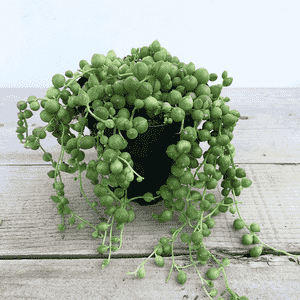
The propagation of String of pearls is quite straightforward, ideally performed in spring and summer with soft stem cuttings. Indicators of successful propagation are the emergence of new foliage and the formation of roots. For best development, ensure the cutting possesses a minimum of two nodes.
Optimal Time for String Of Pearls Propagation
Propagation Method
Cuttings
Propagation Period
Spring, Summer
Tools for String Of Pearls Propagation
Sharp Scissors or Pruning Shears
These are vital for making precise cuts on string of pearls's delicate stems without causing harm. Clean cuts help prevent disease and promote faster root development during propagation.
Disinfectant
Used to sanitize cutting implements before making cuts on string of pearls. This prevents the spread of pathogens and pests, ensuring the health of the cuttings.
Rooting Hormone
This enhances the probability of successful root formation when propagating string of pearls from cuttings. It stimulates root growth at the cut site, improving propagation success.
Potting Mix
A well-draining, sandy or succulent potting medium is crucial for the proper root development of string of pearls. The correct mix prevents root rot by allowing water to drain quickly.
Small Pots or Trays
Suitable for planting individual string of pearls cuttings. These containers should have drainage holes to allow excess water to escape, preventing overly wet soil conditions.
Plastic Wrap or Propagation Dome
Maintains humidity around the string of pearls cuttings, preventing them from drying out during the initial stages of root development. This controlled environment supports healthy growth.
Misting Bottle
Gently waters the string of pearls cuttings without disturbing the fragile new roots or over-saturating the soil. Consistent misting helps cuttings maintain hydration without waterlogging.
How to Propagate String Of Pearls?
Propagation Method
Cuttings
Difficulty Level
Easy
Caring for Your Newly Propagated String Of Pearls
Caring for Your Newly Propagated String Of Pearls
Post-propagation, continue to provide string of pearls with bright, indirect illumination and allow the soil to dry between waterings. String of pearls prefers a warm environment and should be protected from temperatures below 50°F (10°C). Fertilize with a diluted succulent fertilizer during the active growth period, typically spring and summer, and reduce irrigation in winter when the plant is dormant. As the plant matures, ensure it is in a hanging basket or a location where its trailing stems can cascade, highlighting its unique form. Regularly inspect for pests such as aphids and mealybugs.
Common Errors to Avoid When Propagating String Of Pearls
Overwatering cuttings
Excessive watering can lead to root rot and fungal growth, which is harmful to the delicate roots of string of pearls. Too much moisture around new cuttings can suffocate and decay nascent roots before they establish.
Using dense soil
Heavy soil or a poorly draining potting mix can trap moisture around the string of pearls cuttings, potentially causing rot. This species prefers well-draining soil to prevent excess water retention around the fragile root system.
Ignoring light requirements
Providing either too much direct sunlight or insufficient light can be detrimental. Too much sun can scorch the leaves, while too little will result in weak growth and poor root development.
Neglecting to allow cuttings to callous
Failing to let the cut ends of string of pearls callous over before placing in soil can introduce excess moisture into the wound, increasing the risk of rot.
Planting cuttings too deep
Burying the cuttings too deeply can promote rot since the buried pearls will retain moisture for too long and might not receive enough air to root properly.
Tips For Propagating String Of Pearls
Proper cutting length
Cuttings should be long enough to have several nodes (the points where leaves attach to the stem), which will increase the chance of successful rooting when placed on soil.
Adequate moisture balance
Maintaining the right balance of moisture is crucial. The soil should be kept slightly moist, but not waterlogged, to encourage root formation without rotting the cutting.
Use of a well-draining mix
A potting mix that includes ingredients like perlite or sand can enhance drainage and provide the airy substrate needed for string of pearls to thrive during propagation.
Indirect light exposure
Positioning the propagated string of pearls in bright, indirect light supports healthy growth without the risk of sunburn, which can happen under direct sunlight.
Gentle handling
Handle the delicate pearls gently during the propagation process to prevent bruising or breaking, which would negatively affect the plant's ability to root and grow.
Adequate air circulation
Ensure that there is good air circulation around the propagating cuttings of string of pearls to reduce the likelihood of fungal infections and to promote faster drying of the soil surface.



