How to Propagate Common turmeric?
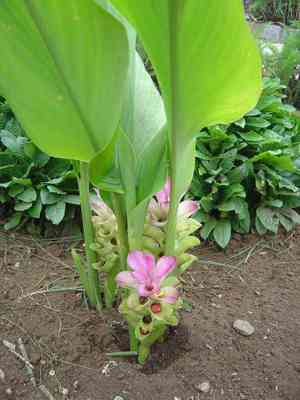
Curcuma longa is most effectively multiplied in the springtime using its rhizomes. It is quite simple to propagate, with new foliage indicating successful development. Guarantee adequate distance between plants and supply a growing medium that drains efficiently for the best outcomes.
Optimal Time for Common Turmeric Propagation
Propagation Type
Utilize The Tubers
Propagation Season
Spring
Tools for Common Turmeric Propagation
Sharp Knife or Garden Scissors
A clean, sharp knife or garden shears is vital for dividing common turmeric's rhizomes during propagation. This tool must be sterile to prevent disease transmission, with a keen edge for a clean cut without harming plant tissues, which is crucial for common turmeric's health.
Gloves
Wearing gloves is important when handling common turmeric's rhizomes, especially since common turmeric can stain hands and clothing. Gloves also protect the propagator's hands from sharp edges and potential skin irritants.
Potting Mix
A well-draining and fertile potting mix is essential for the successful propagation and growth of common turmeric. This medium provides the necessary support and nutrients for new rhizomes to establish and develop healthily.
Planting Containers
Containers with adequate drainage holes are necessary to allow excess water to escape and prevent root rot for common turmeric. The containers should be large enough to accommodate the growth of common turmeric's rhizomes while providing stability to the new plant.
Watering Can or Mist Bottle
A watering can with a fine rose or a mist bottle allows for gentle watering or misting of common turmeric, keeping the soil moist but not waterlogged, which is imperative for the rhizomes to sprout and flourish.
Rooting Hormone (Optional)
While not strictly necessary, rooting hormone can be applied to the cut surface of the rhizome to encourage faster root development and improve the overall success rate of common turmeric propagation.
Steps to Propagate Common Turmeric
Propagation Type
Utilize The Tubers
Difficulty Level
Easy
Caring for Newly Propagated Common Turmeric
Caring for Newly Propagated Common Turmeric
After propagation, ensure common turmeric plants receive ample warmth and indirect sunlight. Water when the top inch of soil feels dry, and apply a balanced, organic fertilizer during the growing season. Maintain high humidity, if possible, and watch for pests or diseases. Reduce water and cease fertilizing during dormancy (late fall to early spring), allowing the soil to dry out more between waterings. When leaves die back, tubers can be harvested or left in the soil to continue growing the following season.
Common Errors to Avoid When Propagating Common Turmeric
Overwatering
Excessive watering can lead to root rot in common turmeric, hindering growth or killing the propagation material. Common turmeric prefers well-drained soil and suffers in waterlogged conditions.
Deep planting
Planting common turmeric rhizomes too deeply can impede sprouting as shoots may struggle to break through the soil surface.
Using diseased plant material
Employing rhizomes from an unhealthy common turmeric plant can spread pathogens to new plants, which may not thrive or may perish.
Ignoring soil quality
Failing to use rich, well-draining soil can result in poor common turmeric growth as it requires specific nutrients and conditions to flourish.
Neglecting humidity
Not maintaining a high-humidity environment for common turmeric can cause slow growth or stress, as it is a tropical plant that thrives in moist conditions.
Tips for Propagating Common Turmeric
Rhizome section selection
Choose healthy and robust sections of common turmeric's rhizomes to increase the likelihood of successful propagation.
Soil preparation
Prepare soil rich in organic matter with good drainage to promote vigorous growth for common turmeric.
Shallow planting
Plant common turmeric rhizomes shallowly, just beneath the soil surface, to facilitate easier sprouting.
Maintain warmth
Keep common turmeric in a warm environment to mimic its natural tropical habitat and encourage growth.
Optimal moisture
Water common turmeric consistently to maintain slightly moist soil without waterlogging to prevent rot while providing adequate hydration for growth.



