How to Propagate False heather?
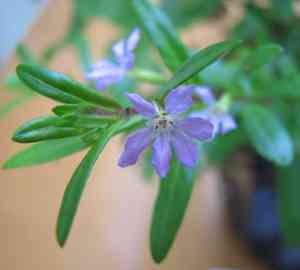
False heather, also known as False heather, is most effectively propagated via cuttings during the warmer periods of spring and summer. This method is quite straightforward, with indicators of success being the emergence of new foliage and root formation. Guarantee adequate hydration and a suitable rooting substrate for the best outcomes.
When Is the Optimal Time to Propagate False Heather?
Propagation Method
Cutting
Propagation Period
Spring, Summer
What Equipment Is Used for False Heather Propagation?
Sharp Pruning Shears
Crucial for making clean, precise cuts, sharp pruning shears minimize harm to the parent plant and false heather cuttings, boosting the likelihood of successful rooting. Clean cuts help prevent infection and promote quicker healing.
Rooting Hormone
Applied to encourage root development for false heather cuttings, rooting hormone can improve propagation success by accelerating root formation and offering antifungal protection against diseases during initial growth phases.
Sterile Potting Mix
A sterile, well-draining potting mix offers a safe and favorable setting for false heather cuttings to establish roots. It lowers the risk of soil-borne diseases and ensures a proper balance of moisture retention and oxygen for new roots.
Small Pots or Trays
Small pots or trays serve as suitable containers for each false heather cutting, providing ample space for initial root growth without being too large, which could lead to excessive moisture and potential root rot.
Plastic Bags or Dome
These are utilized to create a mini-greenhouse effect around false heather cuttings, maintaining high humidity and a stable temperature, both vital for encouraging root growth and preventing the cuttings from drying out.
Watering Can with Fine Nozzle
A watering can with a fine nozzle allows for gentle irrigation of false heather cuttings, preventing disturbance to delicate new roots and helping to keep the soil moist without becoming waterlogged, which is essential for successful cutting propagation.
How to Propagate False Heather?
Propagation Method
Cutting
Difficulty Level
Moderately Challenging
How to Care for Your Newly Propagated False Heather?
How to Care for Your Newly Propagated False Heather?
After successful propagation, provide false heather with consistent watering, ensuring the soil drains well to prevent root rot. Position the plant in an area with bright, indirect light and maintain temperatures of 60-75°F (16-24°C) for optimal development. Fertilize false heather lightly during its active growth period, and prune as needed to maintain its desired shape and size. Shield false heather from cold drafts and frost, as it is susceptible to extreme cold.
Common Errors to Avoid When Propagating False Heather
Overwatering cuttings
When propagating false heather via cuttings, a frequent error is providing too much water, which can cause decay. This significantly increases the risk of fungal infections, ultimately hindering the cutting's ability to form roots.
Poor cutting selection
Choosing weak or unhealthy cuttings from the parent false heather results in poor propagation outcomes. It decreases the likelihood of successful root development and can spread disease to the new plant.
Inadequate light
Failing to provide sufficient light for false heather cuttings can impede growth, as light is necessary for photosynthesis, even in the initial stages of propagation.
Neglecting humidity
Ignoring the humidity requirements of false heather during propagation may lead to desiccation and failure to establish. A stable and high humidity environment is crucial for encouraging root formation.
Using unsterilized tools
The use of unsterilized equipment when taking cuttings from false heather can introduce pathogens, severely impacting the health of the cuttings and hindering successful propagation.
Tips For Propagating False Heather
Use healthy parent plants
Select cuttings from robust and disease-free false heather to enhance the chances of successful propagation. This ensures the cuttings have the best possible start.
Proper soil mix
Utilize a well-draining propagation medium for false heather cuttings to prevent waterlogging and support healthy root growth. A blend of peat and perlite or sand typically works well.
Maintain optimal humidity
Employ a plastic cover or a humidity dome over the false heather cuttings to maintain high humidity levels. This micro-environment provides the necessary moisture for the cuttings to root.
Indirect lighting conditions
Place false heather cuttings in bright, indirect light. This prevents scorching young shoots and provides enough energy for growth without the stress of direct sunlight.
Sterilize equipment
Always sterilize cutting tools before use on false heather to minimize the risk of disease transmission. This promotes healthier growth and reduces the chances of infection.



