How to Propagate Field pumpkin?
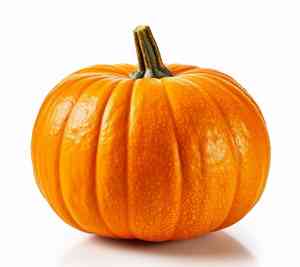
Field pumpkin reproduction occurs via seeding, with springtime representing the perfect period to commence this activity. The plant is quite straightforward to propagate, and indicators of successful propagation involve the emergence of robust young plants. Sufficient hydration and sunlight exposure foster thriving development.
Optimal Time for Field Pumpkin Propagation
Propagation Method
Seeding
Propagation Period
Spring
Tools Utilized in Field Pumpkin Propagation
Seedling trays or pots
Seedling trays or pots offer individual compartments for each field pumpkin seed to sprout and develop without competition from adjacent seedlings. These trays assist in maintaining ideal soil conditions, facilitate correct spacing, and simplify handling during transplanting.
Seed starting mix
A well-draining and nutrient-rich seed starting mix supports the initial growth phase of field pumpkin by ensuring delicate roots access the right balance of air, moisture, and nutrients, vital for robust seedling development.
Watering can with a fine rose
Gentle and uniform water distribution is crucial for field pumpkin seedlings. A watering can equipped with a fine rose attachment reduces water force, preventing damage to soil structure or displacement of small seeds.
Dibber or seeding tool
A dibber or seeding tool aids in creating consistent holes in the soil for field pumpkin seeds to be sown at the correct depth, which is essential for uniform germination and growth.
Heat mats
Heat mats are particularly beneficial for field pumpkin due to its preference for warm soil temperatures for optimal germination. These mats help maintain a consistent warm temperature, encouraging faster and more successful seedling emergence.
Grow lights
Grow lights ensure field pumpkin seedlings receive adequate illumination, which may be limited indoors or during early spring. Proper lighting promotes healthy, compact growth and prevents seedlings from becoming leggy.
Humidity domes
Covering seedling trays with humidity domes helps maintain high humidity levels around field pumpkin seedlings, reducing water loss through evaporation and creating a microclimate ideal for germination and early growth.
Fertilizer
Once field pumpkin seedlings have developed a few true leaves, a balanced liquid fertilizer provides essential nutrients that might be limited in a starter mix, supporting robust growth as the plants mature.
Labeling markers
Labeling markers prevent confusion by identifying different varieties of field pumpkin that may be propagated simultaneously, ensuring specific care and environmental requirements are met for each type.
Pruning shears
Sterilized pruning shears become necessary when transplanting field pumpkin seedlings to larger pots or the garden to trim any damaged roots or leaves, helping to promote healthier plant development.
Propagating Field Pumpkin: A Guide
Propagation Method
Sowing
Difficulty Level
Easy
Post-Propagation Care for Field Pumpkin
Post-Propagation Care for Field Pumpkin
After field pumpkin has been successfully propagated and established, provide consistent care by watering deeply once a week, or more frequently if rainfall is scarce. Fertilize with a balanced solution every 2-4 weeks during the growing season. Monitor for pests and diseases, taking appropriate action as needed. As fruits develop, consider placing a barrier like straw or wood beneath each one to prevent rot and deter pests. Reduce watering as fruits mature to encourage ripening. Harvest field pumpkin when the rind is firm and the fruit produces a hollow sound when tapped.
Common Errors to Avoid When Propagating Field Pumpkin
Overwatering
Excessive watering of field pumpkin can lead to root rot and fungal diseases due to waterlogged soil, compromising plant health and hindering growth.
Deep seed planting
Sowing field pumpkin seeds too deeply can impede germination because the seed may lack sufficient energy to push through the soil, resulting in poor or failed sprouting rates.
Ignoring soil conditions
Neglecting the soil requirements of field pumpkin by planting in poor or unsuitable soil conditions may prevent proper root development and nutrient absorption, critically affecting the plant's overall health and yield.
Overcrowding
Planting field pumpkin seeds too close together can cause competition for nutrients, water, and sunlight, leading to stunted growth, lower yield, and increased susceptibility to pests and diseases.
Ignoring pest management
Failing to manage pests early on can lead to infestations that damage field pumpkin, hindering propagation efforts and potentially destroying the plants.
Advice for Propagating Field Pumpkin
Adequate watering
Provide field pumpkin with consistent moisture, especially during germination and early growth stages, but ensure proper drainage to prevent waterlogging.
Proper seed depth
Plant field pumpkin seeds at the correct depth, generally about 1 inch (2.5 cm) deep, to ensure successful germination and early seedling growth.
Soil preparation
Prepare a well-draining soil rich in organic matter before planting field pumpkin to promote strong root development and provide necessary nutrients for healthy growth.
Spacing
Space field pumpkin seeds or seedlings adequately apart according to recommended guidelines to minimize competition and allow sufficient room for growth and airflow, which helps prevent disease.
Pest monitoring
Regularly monitor field pumpkin for signs of pests and apply appropriate integrated pest management strategies to protect the plants during the propagation phase.



