How to Propagate African horned cucumber?
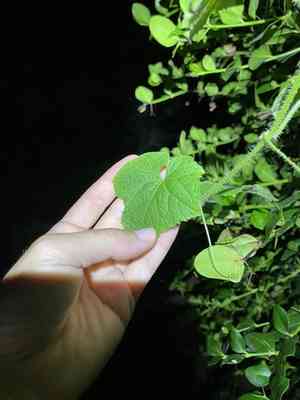
Originating in Africa, the african horned cucumber is a thorny, fruit-producing botanical recognized for its distinctive flavor and beneficial nutrients. To achieve peak development, reproduction is primarily accomplished by planting seeds. Verify that the seeds are new and obtained from a mature fruit to enhance sprouting success. Utilize soil that drains effectively and sustain steady dampness without oversaturation to foster robust root formation. The nascent plants need warmth and ample solar exposure as they become established. Gentle management of seedlings is vital given their fragile state during the initial phases of growth.
When Is the Optimal Time to Propagate African Horned Cucumber?
Propagation Method
Seeding
Propagation Period
Spring
What Equipment Is Used in African Horned Cucumber Propagation?
Seed trays
Seed trays are crucial for initiating african horned cucumber from seeds, enabling organized planting and care of young plants. The individual compartments aid in even seed distribution and prevent overcrowding, which can enhance germination rates and lead to more robust, healthier seedlings. Their compact size and ease of movement also simplify handling during the delicate early stages of growth.
Quality potting mix
A sterile, nutrient-rich potting medium is essential for sowing african horned cucumber seeds. It offers the necessary support and nourishment for the developing seedlings. The mix should possess good drainage and aeration qualities to prevent waterlogging and encourage strong root development, which are key for the successful establishment of african horned Cucumber seedlings.
Watering can with a fine rose
This tool assists in gently irrigating african horned cucumber seeds without displacing them. The fine rose attachment disperses water uniformly and softly, mimicking light rain, ensuring that delicate seeds and emerging seedlings are not washed away or harmed. Consistent moisture levels can significantly impact the germination rate and initial growth phase of african horned cucumber.
Labels and markers
Employing labels and markers for seed trays ensures accurate identification and monitoring of african horned cucumber's growth stages. This is particularly important when cultivating multiple specimens or varieties simultaneously. Proper labeling helps in applying specific care requirements and tracking developmental progress without confusion.
Growth lights (if indoor propagation)
If propagating african horned cucumber indoors, grow lights are beneficial for supplementing natural sunlight, guaranteeing that seedlings receive the ideal light spectrum and intensity for photosynthesis. This fosters strong and healthy growth, especially important in regions with limited sunlight during critical growing seasons.
How to Propagate African Horned Cucumber?
Propagation Type
Simple
How to Care for Your Newly Propagated African Horned Cucumber?
How to Care for Your Newly Propagated African Horned Cucumber?
Following propagation, continue to irrigate african horned cucumber regularly, allowing the topsoil to dry slightly between waterings. Provide a trellis or support for the climbing vines, which aids fruit production and reduces disease exposure. Fertilize lightly with a balanced NPK fertilizer every 4-6 weeks during the active growth period. Monitor for pests such as cucumber beetles and treat promptly if infested. Pruning is generally not required, but remove any dead or diseased foliage to maintain plant health.
Common Mistakes to Avoid When Propagating African Horned Cucumber
Overwatering during germination
Excessive watering can lead to fungal diseases like root rot, which hinders the growth and survival of african horned cucumber seedlings by damaging their young roots.
Planting seeds too deep
African horned cucumber seeds require light to germinate effectively. Placing them too deeply in the soil may prevent germination due to insufficient light exposure, impeding their growth.
Ignoring initial soil warmth
Starting african horned cucumber seeds in cold soil can significantly delay germination. This could cause the seeds to rot or become vulnerable to soil-borne diseases before they even sprout.
Tips For Propagating African Horned Cucumber
Use well-draining soil
For optimal growth of african horned cucumber, it is crucial to use a soil mix that drains well to prevent waterlogging and root diseases. This promotes a healthier root system and better overall plant vitality.
Maintain adequate moisture
Keep the soil moist but not saturated during the germination period of african horned cucumber. Consistent moisture is vital for germination, but excess water should be avoided to prevent fungal issues.
Provide sufficient light
After sowing, place african horned cucumber in a location where they receive ample sunlight. Adequate light is essential for the development and health of the young plants.



