How to Propagate Toothache grass?
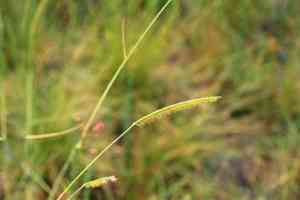
Acmella oleracea flourishes when multiplied via separation, a practical and effective technique for increasing the number of these plants in your garden. To multiply, gently separate the root mass in early spring, prior to the emergence of new shoots, making sure each segment possesses sufficient roots. Immediately replant the separated portions in soil that drains effectively, keeping the moisture level steady during the initial period of establishment to foster strong root growth.
Optimal Time for Toothache Grass Propagation
Propagation Method
Splitting
Propagation Period
Spring,Autumn
Tools for Toothache Grass Propagation
Sharp Garden Knife or Scalpel
This implement is crucial for making clean, precise cuts through the root mass of toothache grass. A sharp blade minimizes damage to the roots, which is vital for the plant's health and recovery post-division. It prevents ragged cuts that could lead to infections or poor root regeneration.
Garden Fork
Used to gently lift toothache grass from the soil while minimizing root disturbance. The garden fork allows for soil aeration around roots during the lifting process, which helps reduce plant stress. This tool's tines are ideal for handling the dense, fibrous root system without significant breakage.
Pruning Shears
Essential for trimming any dead or excessively long roots and for cutting back the top growth of toothache grass before division. Pruning helps manage plant size, stimulates new growth, and lessens the energy demand on newly divided plants, encouraging quicker establishment.
Watering Can with Fine Rose
After division, gentle watering is crucial to help toothache grass establish in its new location. A watering can with a fine rose attachment disperses water softly to prevent soil erosion around the newly planted divisions and ensures that fragile roots are not disturbed.
Rooting Hormone Powder or Gel
Applying rooting hormone to the freshly cut roots can significantly enhance root development and healing of divided toothache grass sections. This accelerates the establishment phase, increases propagation success, and supports healthier plant growth.
Plant Labels and Marker
Useful for organizing and documenting different toothache grass divisions, especially when propagating multiple plants simultaneously. Plant labels help track growth progress and specific care needs for each division, essential for scientific or detailed horticultural tracking.
How to Propagate Toothache Grass?
Propagation Difficulty
Simple
Caring for Newly Propagated Toothache Grass
Caring for Newly Propagated Toothache Grass
After propagation, toothache grass needs consistent watering to help new divisions establish, especially in the initial weeks. Provide partial shade if the plant shows signs of stress. Apply a light, balanced fertilizer after one month to encourage healthy growth. Regularly inspect for pests or diseases and treat as needed.
Common Errors to Avoid When Propagating Toothache Grass
Overwatering
Supplying too much water can lead to root rot, a condition where roots fail to function correctly, hindering the growth and health of toothache grass. This makes the plant vulnerable to diseases and stunted development.
Using poor draining soil
Employing soil that lacks proper drainage can trap moisture around the root system of toothache grass, leading to similar issues as overwatering, such as root rot and fungal infections.
Excessive use of fertilizer
Toothache grass does not require high nutrient levels, especially during the initial propagation stages. Too much fertilizer can burn the roots, reducing the plant's ability to absorb water and nutrients effectively.
Ignoring light requirements
Toothache grass needs specific light conditions to thrive. Insufficient light can weaken toothache grass, while too much direct sunlight can cause leaf burn and additional stress, negatively impacting its growth.
Tips For Propagating Toothache Grass
Appropriate watering
Ensure toothache grass is watered adequately but not excessively. Maintaining moderately moist soil is crucial for encouraging healthy root development without causing waterlogging.
Suitable soil mix
Use a well-draining soil mix that supports the root health of toothache grass. A combination of loamy soil with some organic matter and sand improves drainage and provides necessary nutrients.
Moderate fertilization
Apply a balanced, light fertilizer to toothache grass only after the initial establishment phase. This supports healthy growth without overwhelming the plant with excessive nutrients.
Proper lighting
Provide toothache grass with bright, indirect light to optimize growth. This ensures the plant receives enough light without the adverse effects of direct sunlight, promoting vigorous health and propagation.



