How to Propagate Bamburanta, Never Never Plant?
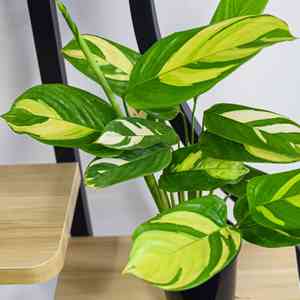
Bamburanta flourishes most effectively when multiplied through separation, guaranteeing a successful transmission of its distinct traits. During the division process, gently split the root mass into portions, making sure every new piece possesses an adequate quantity of roots. This technique facilitates rapid integration into novel surroundings, rendering it perfect for broadening bamburanta's footprint in your landscape.
Optimal Period for Bamburanta Propagation
Propagation Method
Division
Propagation Period
Spring,Autumn
Tools Required for Bamburanta Propagation
Sharp, sterile knife or scissors
Crucial for making clean cuts through the bamburanta's root system, this implement minimizes tissue damage during division. A sharp, sterilized cutting tool ensures quicker healing and reduces disease risk, safeguarding plant health.
Gloves
Protects hands when handling bamburanta and sharp instruments, ensuring safety during the propagation process. Gloves also prevent the transfer of oils and potential pathogens to plant cuttings.
Watering can with a gentle shower head
Enables delicate watering of newly divided bamburanta, helping soil settle around roots without erosion or displacement. Proper irrigation is vital for the recovery and growth of divided plants.
Quality potting mix
Offers a well-draining, nutrient-rich medium for new bamburanta divisions to establish. The correct potting mix supports healthy root development and drainage, critical for the overall health and stability of newly propagated plants.
Rooting hormone (optional)
Promotes root growth in divided bamburanta sections. While not mandatory, this product can significantly boost success rates and root health, leading to more vigorous plant rejuvenation post-propagation.
Plant pots with drainage holes
Essential for potting new bamburanta divisions. These containers ensure excess water can escape freely, preventing root rot and other moisture-related issues. Proper drainage fosters healthier root systems and plant growth.
How to Propagate Bamburanta?
Propagation Type
Easy
Caring for Your Newly Propagated Bamburanta
Caring for Your Newly Propagated Bamburanta
Post-propagation, position bamburanta in indirect light as it thrives in shaded or semi-shaded conditions. Maintain consistent soil moisture, but be careful to avoid waterlogging. Room humidity should be moderate to high, achievable with regular misting or a humidity tray. Shield the plant from cold drafts and provide a balanced, water-soluble fertilizer every 4-6 weeks during its active growth phase. Inspect for pests like spider mites or mealybugs and treat as needed.
Common Errors to Avoid When Propagating Bamburanta
Overwatering
Excessive moisture can lead to root rot and fungal infections, harming bamburanta. It impedes the plant's nutrient absorption and overall development.
Insufficient humidity
Low humidity levels can cause bamburanta leaves to dry, curl, or develop brown edges, negatively impacting plant health and hindering propagation efforts.
Incorrect cutting technique
Cutting too close to leaf nodes or using unsterilized tools can introduce infections and diseases to bamburanta, compromising the health and viability of new cuttings.
Inadequate light
Too little light results in weak, elongated growth, making it harder for bamburanta cuttings to successfully establish roots and grow robustly.
Improper soil mix
Using heavy or poorly draining soil can retain excess water, leading to root rot and failing to provide adequate aeration necessary for bamburanta's root development.
Tips For Propagating Bamburanta
Moderate watering
Ensure the soil is damp but not saturated to prevent root rot and encourage healthy bamburanta growth.
Maintain humidity
Place cuttings in a high-humidity environment or use a humidity dome to keep leaves vibrant and promote root formation.
Use sterilized tools
Sanitize scissors or knives before cutting to prevent infection and ensure a clean cut for better bamburanta propagation success.
Provide indirect light
Position cuttings in bright, indirect light to foster healthy roots and avoid leaf scorch, which impedes bamburanta growth.
Use well-draining soil
A blend of peat moss, perlite, and vermiculite offers good drainage and aeration, crucial for bamburanta's root development.



