How to Propagate Japanese red cedar?
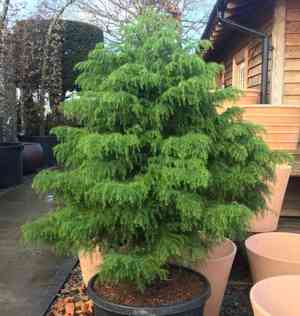
The most suitable period for propagating Japanese red cedar is in the fall and winter seasons, employing methods like air layering, cuttings, or seed sowing. This propagation process presents a moderate challenge, with successful outcomes indicated by robust root formation. To enhance the likelihood of success, ensure ideal cultivation environments.
Optimal Time for Japanese Red Cedar Propagation
Propagation Method
Cutting
Propagation Period
Autumn,Winter
Tools for Japanese Red Cedar Propagation
Pruning Shears
Sharp pruning shears are vital for taking cuttings from japanese red cedar. They ensure a clean, precise cut that minimizes damage to the parent plant and the cutting, increasing the chances of successful rooting. The blades must be sterilized before use to prevent the spread of disease.
Rooting Hormone
Rooting hormone powder or gel promotes root development in japanese red cedar cuttings. Applying a small amount to the cut end of the stems before planting can significantly improve the likelihood of successful propagation by encouraging quicker and more uniform root growth.
Potting Medium
A well-draining, sterile potting mix, such as a combination of peat moss and perlite or vermiculite, is crucial for japanese red cedar cutting propagation. The medium provides support while retaining adequate moisture around the cuttings, facilitating root growth without causing rot.
Propagation Trays
Propagation trays or small pots hold the potting medium and cuttings of japanese red cedar in an organized manner. Trays with clear plastic domes or covers can create a greenhouse effect, maintaining high humidity around the cuttings, which is vital for preventing moisture loss until roots develop.
Heating Mat
A bottom heating mat is beneficial for japanese red cedar, especially during cooler propagation periods, as it helps maintain an optimal soil temperature, thus enhancing root formation and growth. Consistent warmth is particularly helpful for species like japanese red cedar that originate from warmer climates.
Watering Can with Fine Spray
Gentle watering is crucial when establishing japanese red cedar cuttings. A watering can with a fine spray allows for soft and even distribution of water, preventing the delicate cuttings from being dislodged or damaged by the force of the water.
Caring for Your Newly Propagated Japanese Red Cedar
Caring for Your Newly Propagated Japanese Red Cedar
After the japanese red cedar cutting has rooted, usually in a few weeks, gradually acclimate it to less humid conditions by opening or removing the plastic bag for increasing periods each day. Continue to keep the soil evenly moist but not soggy, and once the cutting is well-established with new growth, begin to introduce it to more sunlight. Transplant the new japanese red cedar to a larger pot or a suitable location outdoors with nutrient-rich, well-draining soil and provide regular watering to establish a strong root system. Care should be taken to protect the young plant from extreme weather conditions, and mulching can be beneficial to regulate soil temperature and moisture.
Common Mistakes to Avoid When Propagating Japanese Red Cedar
Inadequate rooting medium
Using the wrong type of soil or medium can lead to poor root development. Japanese red cedar requires a medium that is well-aerated and drains well to prevent root rot.
Over-watering
Too much water can suffocate the roots and cause decay. Root cuttings of japanese red cedar need moist, but not saturated soil.
Tips For Propagating Japanese Red Cedar
Use semi-hardwood cuttings
For successful propagation, utilize semi-hardwood cuttings from japanese red cedar. These have a higher success rate compared to softwood or hardwood cuttings.
Provide proper humidity
Maintaining a humid environment is crucial for japanese red cedar cuttings to prevent them from drying out before they establish roots.



