How to Propagate Earth star?
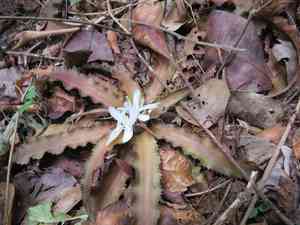
Hailing from Brazil, Cryptanthus is a bromeliad recognized for its vibrant, strap-like foliage arranged in a rosette, displaying intricate designs and shades. Reproduce Cryptanthus by separating its offsets or 'pups' once they reach approximately one-third the size of the mature plant. Delicately detach these using a sanitized blade or by carefully pulling them apart, making sure each pup possesses its own root system. Place them in a growing medium that drains effectively, under diffused light and elevated humidity, replicating the environment of their natural home.
What Is the Best Time To Propagate Earth Star?
Propagation Type
Splitting
Propagation Season
Spring,Autumn
What Tools Are Used in Earth Star Propagation?
Sharp Knife or Scissors
Utilized to carefully divide and cut through the root ball of earth star without causing undue harm. Sharp blades ensure clean cuts, minimizing stress and potential infection risks to the plant.
Disinfectant for Tools
Crucial for sanitizing cutting instruments before and after use. This prevents the spread of diseases and pathogens during the propagation of earth star, fostering healthier growth and development.
Watering Can with a Fine Rose
Required to provide gentle irrigation to earth star after division, aiding the newly propagated plants in establishing themselves in a new setting. The fine rose attachment ensures a soft flow, preventing soil erosion or seedling displacement.
Gloves
Protective gloves are beneficial when handling earth star to guard against any irritants from the soil or plant itself, and also maintain hygiene during the propagation process.
Potting Mix
A suitable potting medium supports the growth of earth star by ensuring good drainage and supplying essential nutrients. The specific mix for earth star, typically containing peat or a similar medium, helps retain adequate moisture while allowing root breathability.
Propagation Trays or Small Pots
These hold individual divisions of earth star during the initial stages of root development. Using trays or pots that facilitate good drainage and are the right size encourages successful establishment and growth.
How to Propagate Earth Star?
Propagation Type
Simple
How to Care for Your Newly Propagated Earth Star?
How to Care for Your Newly Propagated Earth Star?
Post-propagation, keep earth star in bright, indirect light and maintain a consistent watering schedule, allowing the top inch of soil to dry between waterings. Avoid water accumulation in the plant's center to prevent rot. Maintain humidity around earth star and fertilize lightly during the growing season. Avoid direct sunlight and extreme temperatures to ensure healthy growth.
Common Mistakes to Avoid When Propagating Earth Star
Overwatering
Saturating the soil can lead to root rot, a fatal condition for earth star. This plant prefers drier conditions, and excessive moisture can harm it.
Using poor draining soil
Propagation failure may result because earth star requires well-draining soil to prevent water retention around the roots.
Neglecting pups
Earth star primarily propagates through offsets, or 'pups', but gardeners sometimes overlook them. Not separating pups promptly can result in overcrowded conditions and stunted growth.
Excessive handling
Rough handling or frequent disturbance of earth star during propagation can damage the plant's delicate root system and reduce the chance of successful establishment.
Tips For Propagating Earth Star
Pup separation timing
Wait for the pups to reach a substantial size before separating to ensure they have developed a robust root system, which is crucial for the survival of earth star.
Soil composition
Use a mixture of potting soil and sand or perlite to create a well-draining environment that caters to earth star's preference for drier conditions.
Appropriate hydration
Water earth star sparingly, allowing the soil to dry out between waterings. This mimics earth star's natural habitat and promotes healthy root development.
Gentle handling
Handle earth star with care, especially when separating pups, to avoid damage to the plant's roots and leaves. Proper handling ensures the plant remains healthy and capable of establishing itself after propagation.



