How to Propagate Buttons on a string?
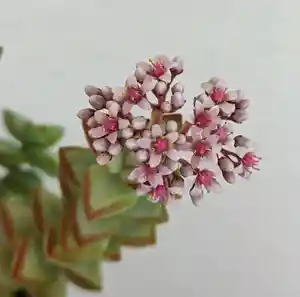
Native to the arid inclines of South Africa, buttons on a string flourishes in porous soil and is prized for its decorative look, characterized by spherical foliage. For reproduction, increasing their numbers necessitates a method tailored for succulents. Useful advice involves employing a sanitized, keen tool to obtain cuttings, permitting the severed end to harden prior to insertion into soil. Rooting stimulant can aid this procedure. Insert cuttings into a cactus potting blend and situate them in luminous, filtered illumination. Hydration levels must be observed carefully to avert decay, preferring a fine spray technique until root systems emerge.
Optimal Time for Buttons On A String Propagation
Propagation Method
Cuttings
Propagation Period
Spring,Summer
Tools for Buttons On A String Propagation
Sharp, sterilized scissors or pruning shears
These implements are vital for making clean cuts on stems or leaves of buttons on a string without crushing plant tissue. Precise cuts are essential to prevent infection and promote quick healing, reducing disease risk and enhancing successful rooting.
Rooting hormone powder or gel
Applying a rooting hormone to the cut ends of buttons on a string cuttings can significantly boost the likelihood of successful root formation. This substance stimulates root growth, helps protect the exposed cut from fungi and bacteria, and speeds up the rooting process, which is crucial for delicate succulents like buttons on a string.
Sterile potting mix or perlite
Utilizing a sterile, well-draining medium such as a cactus mix or perlite ensures that buttons on a string cuttings have the perfect environment for root development. This medium prevents excessive moisture around the cuttings, minimizing the risk of root rot and fungal infections, common issues in succulent propagation.
Pots with drainage holes
Adequate drainage is critical for buttons on a string propagation, as excess water can lead to root rot and other moisture-related ailments. Pots with drainage holes allow any surplus water to escape, thereby maintaining the correct moisture level for optimal root growth.
Plastic bags or humidity domes
Covering newly planted buttons on a string cuttings with a humidity dome or a clear plastic bag can create a greenhouse-like atmosphere. This setup maintains high humidity and stable temperatures, crucial factors for encouraging rooting while the cutting adjusts to its new environment, without the risk of dehydration.
How to Propagate Buttons On A String?
Propagation Difficulty
Easy
Caring for Your Newly Propagated Buttons On A String
Caring for Your Newly Propagated Buttons On A String
Once buttons on a string has rooted and shows new growth, continue watering sparingly to prevent overwatering and rot. Keep it in bright, indirect light, and during the growing season, apply a diluted cactus fertilizer lightly to support healthy development. Be mindful of the plantâs needs during its dormant period, typically reducing watering frequency.
Common Errors to Avoid When Propagating Buttons On A String
Overwatering cuttings
Excessive watering can cause root rot, especially in the initial stages of propagation when buttons on a string cuttings are still forming roots. Too much moisture in the soil hinders the necessary aeration for root establishment.
Using non-sterile tools
Propagating with unclean tools can introduce pathogens to buttons on a string cuttings, potentially causing infections that can impede growth or kill the plantlets.
Ignoring leaf health
Selecting damaged or diseased leaves for propagation may not result in successful rooting, as unhealthy leaves might lack the necessary vigor to develop new roots.
Neglecting cutting size
Taking cuttings that are too small may not provide enough energy for buttons on a string to root and grow, while very large cuttings can struggle to sustain themselves before roots develop.
Tips For Propagating Buttons On A String
Appropriate moisture level
Maintaining balanced soil moisture encourages buttons on a string to develop roots without the risk of rot. The soil should be slightly damp, not waterlogged.
Using sharp, clean implements
Ensuring that tools used for taking cuttings are sterile and sharp prevents disease and minimizes damage to the parent plant and cuttings, improving the chances for successful propagation.
Select healthy leaves
Choose plump, vibrant leaves for cuttings, as these have the best chance to root and grow into healthy new buttons on a string plants.
Cutting size balance
Achieving the right balance in the size of each cutting increases the likelihood of successful rooting. Aim for cuttings that are neither too small to sustain growth nor too large to support before rooting.



