How to Propagate Red pagoda?
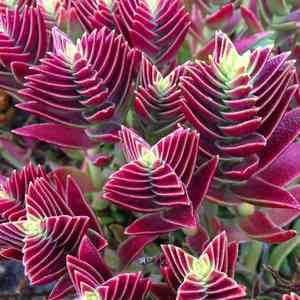
Red pagoda, primarily multiplied via soft stem sections, presents a relatively straightforward propagation process. The most suitable period for this is during the spring and summer seasons. The successful establishment of new roots and foliage signifies effective propagation. Key recommendations for propagation involve selecting robust cuttings and utilizing a growing medium that drains efficiently.
Optimal Time for Red Pagoda Propagation
Propagation Method
Cuttings
Propagation Period
Spring, Summer
Tools Required for Red Pagoda Propagation
Sharp Pruning Shears
Essential for making precise cuts on the parent red pagoda plant, minimizing tissue damage. These shears ensure a smooth edge on the cutting, promoting quicker healing and reducing infection risk. Clean cuts also preserve the parent plant's appearance after cutting removal.
Sterilizing Agent (e.g., Isopropyl Alcohol or Bleach Solution)
Crucial for preventing disease transmission during propagation. Sterilizing pruning shears and other tools that contact red pagoda safeguards the health of both the cutting and the parent plant by eliminating potential pathogens that could hinder the propagation process.
Rooting Hormone Powder or Gel
Applying rooting hormone to the cut end of red pagoda cuttings significantly boosts root development. It encourages faster root initiation, leading to a higher propagation success rate. Rooting hormones often contain fungicides, protecting young cuttings from rot and fungal infections as they establish roots.
Well-Draining Potting Mix
A well-draining potting mix, such as a cactus or succulent blend, offers an ideal environment for red pagoda cuttings to root. The mix should be pathogen-free, providing ample aeration and drainage to prevent waterlogging, which is harmful to succulent cuttings prone to rot if overly moist.
Shallow propagation trays or pots
Shallow trays or pots are suitable for rooting red pagoda cuttings as they require minimal soil and help maintain proper moisture levels around the cutting base. Ensure the container has adequate drainage holes to prevent water accumulation.
Plastic Wrap or Propagation dome
Maintaining high humidity around red pagoda cuttings is beneficial, especially in dry conditions. Covering the propagation tray or pot with plastic wrap or using a dome creates a microclimate with elevated humidity, helping prevent cuttings from drying out before root establishment.
Steps to Propagate Red Pagoda
Propagation Method
Cuttings
Difficulty Level
Easy
Post-Propagation Care for Your Red Pagoda
Post-Propagation Care for Your Red Pagoda
After propagation, continue caring for red pagoda by placing it in an area with bright, indirect light. Water only when the top inch of soil is dry, as red pagoda is drought-tolerant and susceptible to overwatering. Fertilize sparingly during the growing season with a diluted low-nitrogen succulent fertilizer. Protect red pagoda from frost and extreme cold, as it lacks frost hardiness. With proper care, red pagoda will flourish and maintain its distinctive red-hued, pagoda-shaped foliage.
Common Errors to Avoid When Propagating Red Pagoda
Overwatering
Watering red pagoda too often can lead to root rot due to its succulent nature. Excess water can accumulate around the roots in poorly draining soil, creating an overly damp environment conducive to fungal diseases.
Using non-sterile tools
Propagating red pagoda with unsterilized tools can introduce pathogens that may contaminate the plant's tissues, leading to infections and poor propagation success.
Propagating unhealthy sections
Selecting leaves or stems showing signs of stress or damage for red pagoda propagation results in poor root development and low survival rates. Unhealthy cuttings have reduced vigor, impeding the growth of new plants.
Insufficient light
Keeping red pagoda in low light conditions after propagation can hinder its growth and prevent adequate photosynthesis, which is crucial for the rooting process and overall health.
Advice for Propagating Red Pagoda
Proper cutting
Make clean, sharp cuts on red pagoda to ensure healthy rooting. Use sterile tools and cut at a 45-degree angle to increase the surface area for root growth, enhancing the chances of successful propagation.
Appropriate soil medium
Plant red pagoda cuttings in a well-draining soil mix, preferably a cactus or succulent blend, to provide the aeration and drainage necessary for roots to prevent rot.
Optimal humidity
Maintain consistent humidity around red pagoda during propagation. Enclosing the plant in a plastic bag or using a propagation dome can help retain moisture and promote rooting without overwatering.
Allow cuttings to callous
Let the cut end of red pagoda callous over for a few days before planting to prevent rot and infection. This creates a protective barrier that shields the cutting from soil pathogens.



