How to Propagate Round-leafed navel-wort?
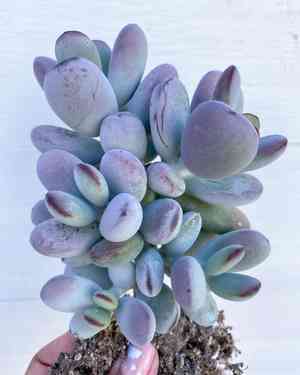
Crassula orbicularis, a succulent species, is valued for its plump, succulent foliage that flourishes in porous soil. Reproduction is most effective when employing robust, uncontaminated cuttings. Sever a leaf or stem and permit it to harden for one to two days to avert decay. Subsequently, carefully embed it into a blend of sand and potting medium. Maintain the growing medium slightly damp and provide diffused light and warmth to stimulate root development. This technique generally produces vigorous, hardy new plants.
Optimal Period for Propagating Round-leafed Navel-wort
Propagation Type
Cutting
Propagation Season
Spring,Summer
Tools Required for Round-leafed Navel-wort Propagation
Sharp Pruning Shears
Crucial for making precise cuts on the stems or leaves of round-leafed navel-wort, sharp pruning shears minimize damage to plant tissues. Clean cuts help prevent disease and encourage faster healing and rooting. Stainless steel blades are recommended for durability and sterility. Accurate cuts are vital, as rough cuts can lead to illness or poor root growth in new plants.
Rooting Hormone Powder
This compound stimulates root formation in round-leafed navel-wort cuttings, enhancing propagation success. Applied to the fresh cut ends of the propagules, it not only encourages quicker root development but also shortens the propagation period, allowing for faster establishment of the new plant.
Sterilizing Solution
Used to sanitize cutting tools before and after use, a sterilizing solution such as isopropyl alcohol or a 10% bleach solution prevents the transfer of potential pathogens to and from round-leafed navel-wort. The health and viability of cuttings are greatly improved when all tools are properly sterilized, reducing the risk of diseases hindering the propagation process.
Moist Propagation Medium
A suitable medium, such as a blend of perlite and peat or vermiculite, offers the ideal balance of moisture and air circulation for the rooting needs of round-leafed navel-wort cuttings. The medium should be light enough for root penetration yet capable of retaining moisture to prevent cuttings from drying out during root development.
Method for Propagating Round-leafed Navel-wort
Propagation Type
Easy
Post-Propagation Care for Your Round-leafed Navel-wort
Post-Propagation Care for Your Round-leafed Navel-wort
Once roots have formed, gradually expose round-leafed navel-wort to increased sunlight. Fertilize with a diluted succulent fertilizer during its active growth phase. Ensure adequate drainage to avoid waterlogged soil, and water sparingly, allowing the soil to dry completely between waterings. Shield round-leafed navel-wort from extreme temperatures and frost.
Common Errors to Avoid When Propagating Round-leafed Navel-wort
Overwatering
Excessive watering can cause root rot in round-leafed navel-wort, which prefers well-draining soil and moderate moisture. Saturated soil conditions can decrease the likelihood of successful propagation.
Using old or diseased cuttings
Propagating round-leafed navel-wort with old or unhealthy cuttings can impede root development and plant growth. Unhealthy cuttings are less likely to establish and may introduce diseases to the new plants.
Insufficient light
While round-leafed navel-wort does not require intense light, inadequate lighting can result in weak growth and reduce the chance of successful propagation. Cuttings need bright, indirect light to root properly.
Ignoring callusing
Skipping the callusing step, where the cut end of the cutting dries before planting, can lead to rot. Round-leafed navel-wort cuttings should be allowed to callus to prevent moisture-related issues during propagation.
Incorrect soil medium
Using a soil medium that lacks proper drainage will hinder the rooting of round-leafed navel-wort. A gritty, well-draining mix is essential for successful propagation.
Advice for Propagating Round-leafed Navel-wort
Proper cutting technique
Making a clean, angled cut on the stem or leaf of round-leafed navel-wort increases the surface area for root development and minimizes the risk of infection.
Maintain hygiene
Using sterilized tools and containers when propagating round-leafed navel-wort prevents the spread of pathogens and promotes healthier cuttings.
Use the right soil mix
Employing a soil mix with good drainage, such as a mixture of potting soil and perlite or sand, is crucial for round-leafed navel-wort as it mimics its natural growing conditions.
Monitor moisture levels
Maintain moderate moisture levels in the soil, allowing it to dry slightly between waterings. Round-leafed navel-wort requires balance, as both overwatering and underwatering can impede rooting.
Patience during rooting
Allow ample time for round-leafed navel-wort cuttings to develop strong roots before transplanting. Rushing this process can result in transplant shock or failure to take root in the new medium.



