How to Propagate Rockspray cotoneaster?
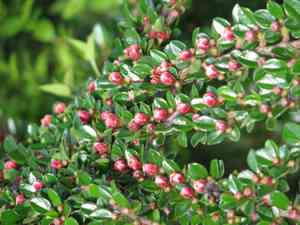
Cotoneaster horizontalis is most effectively multiplied via cutting and layering methods during its prime period, fall and winter. Reproduction is relatively straightforward, with successful development evidenced by fresh leaves or root formation. Guarantee appropriate moisture and warmth levels for peak outcomes.
Optimal Period for Rockspray Cotoneaster Propagation
Propagation Method
Cutting
Propagation Period
Autumn,Winter
Tools Required for Rockspray Cotoneaster Propagation
Sharp Bypass Pruners
These pruners are vital for making clean, precise cuts from rockspray cotoneaster, which helps prevent harm to the parent plant and enhances the likelihood of successful rooting. The bypass design enables a sharp, scissor-like cutting action, minimizing tissue damage and encouraging healthy callus formation.
Rooting Hormone
A rooting hormone is applied to the cut end of rockspray cotoneaster to encourage root development and boost the chances of successful propagation. This hormone typically comes in powder or gel form and ensures that the new plants develop strong, viable roots more quickly.
Sterilization Agent (e.g., Alcohol, Bleach solution)
Used to sanitize the pruners and any other tools before cutting rockspray cotoneaster. Sterilization is crucial to prevent the spread of diseases and pests that can compromise the health and growth of the cuttings.
Propagation Trays
These trays hold the rockspray cotoneaster cuttings and soil or growth medium in a stable environment. They often come with domes that help maintain high humidity around the cuttings, which is necessary for effective rooting.
Perlite or Vermiculite
Mixed with potting soil, these aerating materials improve drainage and air flow around the rockspray cotoneaster cutting's root zone. This is particularly beneficial to prevent root rot and other moisture-related issues during rooting.
Misting Bottle
Used to gently provide moisture to the rockspray cotoneaster cuttings without disturbing the soil or growth medium. Regular misting helps maintain the necessary humidity to prevent the cuttings from drying out before they can establish roots.
Post-Propagation Care for Your Rockspray Cotoneaster
Post-Propagation Care for Your Rockspray Cotoneaster
Once your rockspray cotoneaster's cutting has developed a robust root system, transfer it into a larger container or directly into the garden if outdoor conditions are suitable. Rockspray cotoneaster prefers well-drained soil and a sunny to partially shaded location. After planting, water the rockspray cotoneaster regularly to keep the soil moist until it becomes established. Mulching around the base can help retain moisture and suppress weeds. Prune rockspray cotoneaster annually to maintain a desirable shape and encourage healthy growth.
Common Errors to Avoid When Propagating Rockspray Cotoneaster
Overwatering cuttings
Excess moisture can cause the cuttings of rockspray cotoneaster to rot before they establish roots, leading to a failed propagation attempt.
Ignoring soil type
Using an unsuitable soil type can impede root development in rockspray cotoneaster cuttings or seeds. A well-draining mix is crucial for their success.
Cutting size neglect
Using too small or too large a cutting for rockspray cotoneaster can affect its ability to sustain itself and grow roots, resulting in poor propagation outcomes.
Overlooking hygiene
Not using sterilized tools or pots can introduce diseases to rockspray cotoneaster cuttings, impeding growth or even killing the cutting.
Planting depth error
Planting rockspray cotoneaster cuttings or seeds too deep or too shallow can affect root development and the eventual establishment of the plant.
Neglecting humidity
Failure to maintain an adequate humidity level around rockspray cotoneaster cuttings may lead to dehydration and poor root formation.
Advice for Propagating Rockspray Cotoneaster
Proper cutting selection
Choose healthy, semi-hardwood sections of rockspray cotoneaster that are about 6-8 inches long to ensure a good balance between leafy and woody tissue.
Correct soil mix
Use a light, well-draining, and fertile soil mix for rockspray cotoneaster to facilitate root growth without waterlogging.
Appropriate rooting hormone
Dip the cut end of rockspray cotoneaster cuttings into rooting hormone to stimulate root growth and improve success rates.
Humidity control
Maintain high humidity around rockspray cotoneaster cuttings, for example by placing a plastic bag over them, to prevent water loss while they establish roots.
Moderate watering
Keep soil moist but not waterlogged to encourage root growth for rockspray cotoneaster without causing rot or fungal issues.
Careful handling
Handle rockspray cotoneaster cuttings with care to avoid damaging the delicate new roots as they form and ensure a successful transition to soil.



