How to Propagate New Zealand laurel?
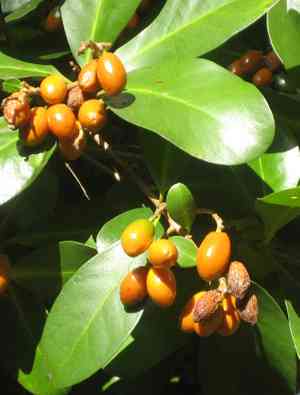
For propagating New Zealand laurel, the most suitable techniques are taking cuttings and layering, ideally carried out in the spring season. This propagation process can present a moderate level of difficulty. Effective propagation generally leads to the emergence of fresh shoots and enhanced root formation. Optimal outcomes are achieved through perseverance and diligent attention.
Optimal Time for New Zealand Laurel Propagation
Propagation Method
Cuttings
Propagation Period
Fall,Winter
Essential Tools for New Zealand Laurel Propagation
Sharp pruning shears
These are utilized for harvesting cuttings from new Zealand laurel. Their sharpness ensures a clean incision, preventing harm to the parent plant and promoting rapid healing. Clean cuts also minimize infection risk, fostering a healthy start for new growth.
Rooting hormone
This substance is applied to the cut end of the cutting to stimulate root development. For new Zealand laurel, which can be somewhat challenging to propagate, rooting hormone enhances the probability of successful root formation and improves the overall propagation success rate.
Sterile potting mix
A pathogen-free medium is vital for the growth of new new Zealand laurel cuttings. A sterile potting mix offers a secure environment for cuttings to establish roots without the threat of diseases that could jeopardize the cutting's viability.
Propagation tray with dome
The tray holds the potting mix and cuttings, while the dome creates a humid atmosphere that helps maintain moisture levels around the new cuttings of new Zealand laurel, which is crucial for encouraging root development without the cutting drying out.
Heating mat
A consistent and suitable base temperature provided by a heating mat can significantly boost the rooting success rate of new Zealand laurel cuttings. Warmth is a key factor in promoting root growth and can help accelerate the propagation process.
Misting bottle
Regular misting can help maintain the humidity around the new Zealand laurel cuttings, essential for preventing desiccation until the cuttings can establish their own root systems and absorb water independently.
Post-Propagation Care for New Zealand Laurel
Post-Propagation Care for New Zealand Laurel
Once the new Zealand laurel cutting has rooted, gradually acclimate it to drier conditions by removing the cover for increasing durations daily. When the plant is robust, transplant it into a larger container or its permanent outdoor spot. Ensure new Zealand laurel receives ample indirect sunlight, water when the top inch of soil dries, and provide a balanced fertilizer during the growing season. Protect from frost and prune to maintain the plant's shape and health.
Common Errors to Avoid When Propagating New Zealand Laurel
Excessive watering during rooting
Keeping the soil too wet can lead to root rot, which significantly reduces the chances of successful propagation for new Zealand laurel.
Ignoring soil composition
Using soil that does not drain well or lacks proper nutrients can impede root development for new Zealand laurel, leading to poor propagation outcomes.
Neglecting cleanliness
Using unsterilized tools or containers can introduce pathogens to the cuttings or seedlings of new Zealand laurel, increasing the risk of disease.
Incorrect cutting size
Cuttings that are too large or too small may not root well or may struggle to sustain themselves during the rooting process, hindering new Zealand laurel propagation.
Inadequate humidity
Insufficient humidity can cause cuttings of new Zealand laurel to lose moisture and become desiccated, reducing the likelihood of successful root development.
Advice for Propagating New Zealand Laurel
Rooting hormone application
Applying a rooting hormone to the cuttings can encourage healthier and quicker root growth for new Zealand laurel.
Proper soil mix
Using a well-draining soil mix with good aeration and the right balance of nutrients supports optimal root growth for new Zealand laurel.
Sterilization of tools
Sterilizing cutting tools and pots prevents the spread of disease, giving new Zealand laurel propagations a better chance of success.
Managing humidity
Maintaining a consistently humid environment using a plastic cover or humidity dome helps prevent the cuttings of new Zealand laurel from drying out.
Monitoring water levels
Watering the soil to keep it consistently moist but not waterlogged supports the rooting process without risking root rot for new Zealand laurel.
Appropriate cutting size
Taking cuttings that are neither too long nor too short, generally about 4-6 inches, ensures that the cutting is sustainable and can successfully root new Zealand laurel.



