How to Propagate Beaked hazelnut?
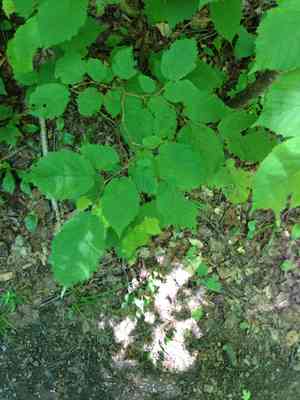
Corylus cornuta is suitable for reproduction via cuttings and air layering, ideally in the fall and winter periods. It is relatively straightforward to propagate; observe new shoots as an indicator of successful establishment. Sufficient soil dampness and defense from freezing temperatures can enhance the likelihood of success.
Optimal Period for Beaked Hazelnut Propagation
Propagation Method
Cutting
Propagation Season
Autumn,Winter
Tools Required for Beaked Hazelnut Propagation
Pruning Shears
Used for taking cuttings from the parent beaked hazelnut plant, these should be sharp and clean to ensure a clean cut and reduce the risk of disease transmission. Sharp shears are important to avoid crushing or damaging the plant tissue, which is crucial for the successful rooting of beaked hazelnut cuttings.
Rooting Hormone
This is used to encourage root growth on beaked hazelnut cuttings. A rooting hormone can significantly increase the chances of successful propagation by stimulating root development at the cut site, which is especially beneficial for hardwood cuttings like those of beaked hazelnut.
Sterilization Equipment (e.g., Alcohol, Bleach Solution)
Tools must be sterilized before use to prevent the spread of pathogens to the beaked hazelnut cuttings. A clean propagation environment is essential for preventing infection and ensuring the health and viability of the new beaked hazelnut plants.
Potting Medium
A well-draining, sterile potting mix is necessary for planting beaked hazelnut cuttings. The medium should provide sufficient support and allow for proper aeration and moisture retention, which are critical for root development in beaked hazelnut cuttings.
Pots or Trays
These are needed to hold the potting medium and beaked hazelnut cuttings. They should have adequate drainage holes to prevent waterlogging, which can cause rot and negatively impact the establishment of beaked hazelnut cuttings.
Plastic Bags or Domes
Used to create a humid environment around beaked hazelnut cuttings, which helps to prevent moisture loss through transpiration. This is particularly important for beaked hazelnut, helping to maintain favorable conditions for rooting until the cuttings are well-established.
Post-Propagation Care for Beaked Hazelnut
How to Care for Your Newly Propagated Beaked Hazelnut?
Once the beaked hazelnut cutting has developed a robust root system, which can be checked by gently tugging on the cutting to feel for resistance, gradually acclimate it to less humid conditions by removing the plastic covering for increasing periods over a week. When the cutting shows new growth and can sustain itself, transplant it to a larger pot or directly into the garden. Choose a location with full sun to partial shade and well-draining soil. Water the young beaked hazelnut plant regularly to keep the soil moist until it's fully established. Mulching can help to retain soil moisture and regulate soil temperature.
Common Errors to Avoid When Propagating Beaked Hazelnut
Ignoring seed stratification
Neglecting the stratification process for beaked hazelnut's seeds can lead to poor germination rates because this plant's seeds often require a period of cold to break dormancy.
Improper seed collection timing
Collecting seeds either too early or too late can result in seeds that are not viable or have already been dispersed, thus reducing the probability of successful propagation.
Inadequate moisture levels
Maintaining incorrect moisture levels, either too little or too much, can cause the seeds or cuttings of beaked hazelnut to dry out or rot, hindering growth and development.
Overlooking soil quality
Failing to provide a well-draining, fertile soil can lead to poor root development and decreased chances of survival for seedlings or cuttings of beaked hazelnut.
Excessive use of fertilizer
Applying too much fertilizer can damage the delicate roots of beaked hazelnut's propagules, leading to burn and potentially killing the young plants.
Tips For Propagating Beaked Hazelnut
Seed stratification
Mimic natural conditions by stratifying beaked hazelnut's seeds in a moist, cold environment for several weeks to effectively break the seed dormancy and encourage germination.
Timely seed collection
Harvest the seeds of beaked hazelnut when they are mature but before they have been dispersed to maximize viability and germination potential.
Moisture control
Keep the soil consistently moist but not waterlogged when propagating beaked hazelnut from seeds or cuttings to support healthy growth without causing decay or fungal infections.
Soil preparation
Use a well-draining soil mix enriched with organic matter to provide beaked hazelnut seedlings or cuttings with a strong foundation for root development.
Balanced fertilization
Apply a light, balanced fertilizer to beaked hazelnut propagules to support growth without overwhelming the plants with excessive nutrients.



