How to Propagate American hazelnut?
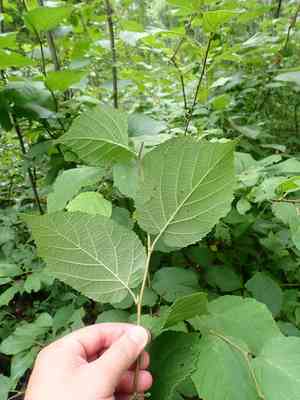
For propagating american hazelnut, employing cutting and layering techniques yields the best results in the fall and winter seasons. This plant is relatively straightforward to propagate, with indicators of successful establishment being the emergence of fresh shoots and the development of roots. To optimize outcomes, place the cuttings in a growing medium that drains effectively.
Optimal Time for American Hazelnut Propagation
Propagation Method
Cutting
Propagation Period
Fall,Winter
Tools for American Hazelnut Propagation
Pruning Shears
These handheld instruments are used to take cuttings from mature american hazelnut plants. Their ergonomic blades ensure a clean cut without harming the parent plant, which is vital for the health of both the cutting and the remaining plant tissue. Using sterile shears also lowers the risk of disease transmission, which could affect cutting success.
Rooting Hormone
A crucial substance for encouraging root development in american hazelnut cuttings. Applying rooting hormones to the cutting's base stimulates root growth, increasing the likelihood of successful propagation. Hormones are often available as powder, liquid, or gel, each suitable for different cutting conditions, and they provide a significant boost for the rooting process.
Propagation Medium
This refers to a specific blend that supports the initial growth of american hazelnut cuttings. The medium should drain well yet retain moisture, such as a mix of peat and perlite or sand, to create an ideal environment for root formation. A suitable medium also helps prevent fungal growth and ensures proper aeration for developing roots.
Misting Spray Bottle
Used to maintain high humidity around the american hazelnut cuttings. Consistent misting helps prevent the cuttings from losing too much moisture through transpiration, ensuring they do not dry out before they can establish roots. The fine spray from a misting bottle is gentle enough not to dislodge young roots or the propagation medium.
Propagation Tray with Dome
This equipment provides a controlled environment for american hazelnut cuttings. The tray holds the medium and cuttings in place, while the dome retains humidity and warmth, creating a mini-greenhouse effect. It's especially important for american hazelnut, as consistent environmental conditions can greatly influence the success rate of propagation.
Heating Mat
During propagation, especially in cooler climates, this tool is placed under the propagation tray to provide a consistent and gentle heat source. It helps to raise the soil temperature, which is beneficial for root development in american hazelnut cuttings. Proper temperature regulation can significantly improve the chances of successful plant growth.
Caring for Your Newly Propagated American Hazelnut
Caring for Your Newly Propagated American Hazelnut
After propagation, young american hazelnut plants need attention to ensure successful establishment. Plant them in a location that receives full sun to partial shade in well-drained soil. Water them regularly to keep the soil moist but not waterlogged, and apply mulch to conserve moisture and regulate soil temperature. Prune american hazelnut annually in late winter to early spring to encourage bushiness and remove any dead or diseased branches. Monitor for pests and diseases and manage them as needed to keep the plants healthy. With time and proper care, american hazelnut will mature into fruitful shrubs.
Common Errors to Avoid When Propagating American Hazelnut
Ignoring seed stratification
American hazelnut seeds typically require a period of cold stratification to break dormancy. Without it, germination rates are significantly reduced.
Planting at incorrect depth
American hazelnut seeds sown too deeply may not germinate effectively. Conversely, seeds placed too shallow may be exposed to elements and fail to establish.
Overwatering cuttings
American hazelnut cuttings can rot if they are kept excessively wet. Maintaining a balance of moisture is crucial for successful rooting.
Neglecting soil conditions
American hazelnut prefers well-drained, fertile soils. Poor soil conditions can hinder root growth and overall plant health.
Ignoring plant hardiness
While american hazelnut is quite resilient, it still requires appropriate site selection matching its hardiness zone for optimal growth. Disregarding this may lead to failed propagation efforts.
Tips For Propagating American Hazelnut
Cold stratify seeds
Mimic winter conditions for seeds by stratifying them in moist sand or peat in the refrigerator for 1-3 months before planting.
Sow seeds at correct depth
Plant american hazelnut seeds at shallow depths, no more than an inch deep, to ensure light triggers germination and they aren't smothered.
Root cuttings in ideal conditions
Root american hazelnut cuttings in a mixture of perlite and peat moss to achieve a balance between aeration and moisture, improving rooting chances.
Use a well-draining soil mix
Plant american hazelnut in a mix that retains sufficient moisture for growth, but allows excess water to drain away to prevent root rot.
Consider grafting
For uniformity and quicker nut production, grafting selected varieties onto seedling rootstocks of american hazelnut can be effective. This approach leverages desirable characteristics of both the rootstock and the scion.



