How to Propagate Pampas grass?
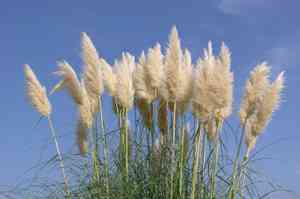
Pampas grass is most effectively multiplied by dividing its clumps, preferably in the spring or fall. While the propagation process can be somewhat challenging, the emergence of new sprouts and root systems signifies successful establishment. Provide adequate hydration and ample sunlight to achieve the best outcomes.
When Is the Optimal Time to Propagate Pampas Grass?
Propagation Method
Division
Propagation Period
Spring, Autumn
What Implements Are Utilized for Pampas Grass Propagation?
Sharp spade or garden fork
For dividing pampas grass, a sharp spade or garden fork is essential. This tool enables the propagator to cut through the soil and root ball to separate the clumps without causing undue harm. Its sharpness ensures clean cuts, reducing plant stress and promoting faster recovery.
Pruning shears
Sterilized pruning shears are used to remove any dead or excess foliage prior to division. This step lessens transplant shock for pampas grass and ensures the plant's energy is directed towards root and shoot growth after propagation.
Gloves
Wearing gloves is crucial when handling pampas grass, as its leaves can have sharp edges. Gloves protect hands from cuts, ensuring safety during the propagation process.
Watering can or hose with a gentle nozzle
After division, pampas grass will need careful watering to help the new divisions establish. A watering can or hose with a gentle nozzle provides a soft flow, preventing soil disturbance and ensuring newly planted divisions receive sufficient moisture.
How to Propagate Pampas Grass?
Propagation Method
Division
Difficulty Level
Easy
How to Nurture Your Newly Propagated Pampas Grass?
How to Nurture Your Newly Propagated Pampas Grass?
Following propagation, pampas grass requires full sun and well-draining soil to flourish. Water new plants regularly, especially during dry periods, until they are well-established. Fertilize in spring with a balanced, slow-release fertilizer. Monitor for and remove competing weeds. As pampas grass can grow large and may have sharp foliage, ensure adequate space around each plant and wear protective gloves when handling. Pruning is generally not needed, except to remove brown or damaged foliage for aesthetics or size management.
Common Errors to Avoid When Propagating Pampas Grass
Ignoring root system size
Neglecting to account for the extensive root system of pampas grass can result in pots or planting areas that are too small, hindering the plant's development.
Planting depth errors
Planting pampas grass either too deep or too shallow can cause issues. Too deep may lead to root rot, while too shallow might prevent proper anchoring and nutrient uptake.
Overwatering
Excessive watering of pampas grass post-propagation can cause fungal diseases or root rot, as the plant prefers well-draining soil and does not require abundant moisture.
Neglecting to divide properly
Improper division of pampas grass clumps can harm the root structure, impeding successful propagation.
Overlooking pests and diseases
Failing to inspect pampas grass for signs of pests or diseases before propagation can spread problems to new plants and reduce the likelihood of successful establishment.
Advice For Propagating Pampas Grass
Clump division
Divide pampas grass during the cooler parts of the growing season, ensuring each section has a portion of the root system and several growth points for optimal results.
Adequate spacing
Provide sufficient space between propagated pampas grass plants to accommodate their mature size and prevent overcrowding, which can lead to disease and poor air circulation.
Appropriate watering
Maintain consistent but moderate watering for pampas grass after propagation to ensure establishment while preventing waterlogging of the soil.
Use sharp tools
Divide pampas grass with sharp, sterile tools to minimize root damage and reduce the risk of disease transmission.
Post-division care
After dividing pampas grass, trim back foliage to reduce water loss and direct the plant's energy towards root development in its new location.



