How to Propagate Shrubby crownvetch?
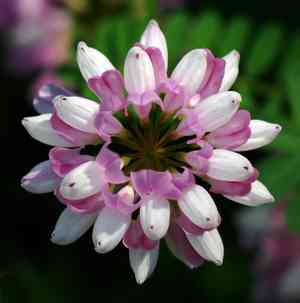
Shrubby crownvetch flourishes when reproduced via cuttings. Choose robust, non-blooming stems for enhanced success. Cuttings ought to be harvested from the plant during its vigorous growth phase and immediately placed into a porous soil blend, ensuring sufficient dampness until root formation. This technique enables swift establishment and upholds the genetic integrity of shrubby crownvetch.
Optimal Period for Shrubby Crownvetch Propagation
Propagation Method
Cutting
Propagation Season
Autumn,Winter
Essential Tools for Shrubby Crownvetch Propagation
Sharp Pruning Shears
These are vital for obtaining clean, precise cuttings from shrubby crownvetch. Sharp blades ensure cuts are neat, which is crucial for preventing tissue damage. This reduces infection risk and promotes faster healing and rooting.
Rooting Hormone
Applying a rooting hormone to the cut ends of shrubby crownvetch more effectively stimulates root development and increases the likelihood of successful propagation. Rooting hormones contain substances that mimic natural plant growth hormones, aiding in quicker root establishment.
Sterile Potting Mix
Utilizing a sterile, well-draining potting mix offers a safe and favorable environment for shrubby crownvetch cuttings to root. This prevents soil-borne diseases from affecting new plants and allows for better aeration and moisture retention around developing roots.
Propagation Tray with Domes
These trays facilitate organized growth for multiple cuttings, and the domes help maintain high humidity around shrubby crownvetch, which is crucial for encouraging root development. Clear domes also allow for easy monitoring of moisture levels and cutting health without disturbing young plants.
Heating Mat
A heating mat assists in maintaining a consistent and appropriate temperature to optimize the rooting environment for shrubby crownvetch cuttings. Warmth is particularly important for enhancing root growth and improving propagation success rates during colder months.
How to Propagate Shrubby Crownvetch?
Propagation Difficulty
Moderately Difficult
Caring for Your Newly Propagated Shrubby Crownvetch
Caring for Your Newly Propagated Shrubby Crownvetch?
Once roots are established and new growth is observed, gradually acclimate the new shrubby crownvetch plants by removing the humidity cover over a week. Transplant them to individual pots with standard potting soil and water regularly to keep the soil moist. Place them in a location with partial to full sun exposure and protect from extreme temperatures. Regular feeding with a balanced fertilizer during the growing season will support their growth and flowering.
Common Errors to Avoid When Propagating Shrubby Crownvetch
Overwatering during rooting
Root rot can occur if shrubby crownvetch cuttings are overwatered while attempting to develop roots. Saturated soil conditions can foster fungal infections, leading to poor root development and potentially killing the cutting.
Using non-sterile tools or containers
Propagation failures often stem from infections introduced by contaminated tools or pots. This issue can hinder shrubby crownvetch from rooting properly or lead to disease in the initial growth stages.
Cutting at the wrong node
Incorrectly selecting the node from which to cut can severely impact the rooting potential of shrubby crownvetch. Nodes are critical for generating new roots, and errors here can result in unsuccessful propagation.
Ignoring humidity needs
Cuttings, in their early stages, require a specific humidity level; if not met, shrubby crownvetch can lose moisture too rapidly, stressing the plant and leading to desiccation before roots have formed.
Tips For Propagating Shrubby Crownvetch
Use sharp, clean tools
Ensuring tools are sharp and disinfected helps in making clean cuts on shrubby crownvetch and prevents disease spread, both essential for healthy propagation.
Maintain optimal humidity
Keeping the propagation environment humid can prevent desiccation and provide the moisture needed for shrubby crownvetch to establish roots effectively. A humidity dome or regular misting can be beneficial.
Select healthy parent plants
Healthy and vigorous parent plants are more likely to provide viable cuttings that root successfully. Weak or diseased plants generally lead to poor or no propagation in shrubby crownvetch.
Proper depth in soil
Embedding the cutting of shrubby crownvetch at the correct depth ensures that the nodes are adequately positioned to stimulate root growth without burying the cutting too deeply, which can hinder its development.



