How to Propagate Cornus sanguinea?
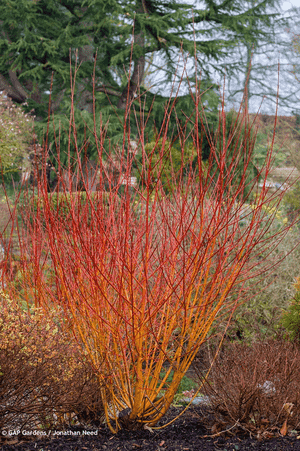
A deciduous bush celebrated for its brilliant fall coloration and deep crimson branches, common dogwood is frequently multiplied via cuttings. Cuttings from stems ought to be harvested from robust, thriving shoots, and for the best rooting prospects, they need a porous substrate and steady hydration. Hardwood cuttings prove especially successful, gathered in late autumn or early winter while the plant is inactive. Diffused illumination and shelter from harsh elements aid in the formation of a sturdy root structure. After rooting, relocating them into separate pots will foster vigorous development in preparation for their ultimate garden site.
Optimal Period for Common Dogwood Propagation
Propagation Type
Cutting
Propagation Season
Autumn,Winter
Tools Utilized in Common Dogwood Propagation
Sharp Pruning Shears
Crucial for obtaining healthy common dogwood cuttings, sharp pruning shears guarantee clean, precise cuts, preventing stem damage. A clean cut helps avert infections and promotes faster healing and rooting.
Rooting Hormone
Applying rooting hormone to the cutting bases enhances the likelihood of successful root formation. This hormone stimulates root growth, vital for common dogwood to establish itself quickly and robustly in a new setting.
Sterilizing Solution
Used to sanitize pruning shears and other implements before and after common dogwood propagation. Sterilization prevents disease transmission, ensuring the cuttings' health and viability.
Misting Bottle
A misting bottle is employed to keep common dogwood cuttings adequately moist during the rooting phase. Proper hydration is essential to prevent dehydration, fostering healthier root development.
Propagation Tray
A propagation tray provides a controlled environment for common dogwood cuttings. It helps maintain optimal humidity and temperature, critical for rooting, and allows for rooting multiple cuttings simultaneously.
How to Propagate Common Dogwood?
Propagation Type
Moderately Difficult
Caring for Your Newly Propagated Common Dogwood
Caring for Your Newly Propagated Common Dogwood
Post-propagation, gradually introduce the rooted common dogwood cutting to its new surroundings. Maintain consistent moisture without saturating the soil. Position young common dogwood plants in an area with partial shade to full sun and shield them from extreme temperatures. Prune annually to encourage dense growth and remove any dead or diseased branches. Fertilize in early spring with a balanced fertilizer to support vigorous growth.
Common Errors to Avoid When Propagating Common Dogwood
Poor cutting selection
Selecting unhealthy or unsuitable cuttings can lead to unsuccessful common dogwood propagation. Weak or diseased stems may fail to root or grow, jeopardizing the propagation process.
Incorrect soil media
Using an improper soil mix can hinder common dogwood's root development. A medium that retains excessive moisture or lacks sufficient aeration may result in rot or fungal infections.
Overwatering
While maintaining moisture is crucial, excessive watering can be harmful. Too much water can cause root rot and deprive common dogwood roots of essential oxygen.
Inadequate lighting
Insufficient light can weaken common dogwood cuttings, potentially impeding photosynthesis and reducing the energy available for rooting and growth.
Neglecting humidity
Ignoring the need for high humidity can cause common dogwood cuttings to lose too much water, leading to dehydration and failure to root.
Tips For Propagating Common Dogwood
Healthy stem selection
Choose robust, vigorous stems for cuttings. This increases the likelihood of successful common dogwood rooting and establishment.
Appropriate soil mix
Utilize a well-draining soil mix with a balance of aeration and moisture retention to support common dogwood's root development.
Moderate watering
Provide a consistent moisture level by watering moderately. This ensures the soil remains damp but not waterlogged to support common dogwood's growth.
Sufficient light exposure
Ensure common dogwood receives enough indirect light to provide the energy needed for developing new roots without causing damage from excessive direct sun.
Humidity control
Maintain high humidity around common dogwood cuttings to prevent water loss, using methods such as a humidity dome or regular misting.



