How to Propagate Kousa dogwood?
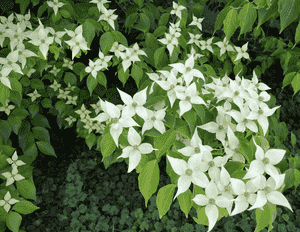
Kousa dogwood can be reproduced via dormant wood cuttings, air layering, and seed planting during the optimal period of fall and winter. The ease of propagation differs, yet successful reproduction is indicated by the emergence of fresh shoots. To guarantee effective propagation, ensure adequate drainage and prevent excessive watering.
Optimal Period for Kousa Dogwood Propagation
Method of Propagation
Cutting
Propagation Period
Autumn,Winter
Essential Tools for Kousa Dogwood Propagation
Pruning Shears
Pruning shears are vital for obtaining clean cuts from the parent kousa dogwood, minimizing infection risk and fostering superior root development. Sharp, sterilizable blades are beneficial for making precise cuts without harming the plant's tissues.
Rooting Hormone
Rooting hormone assists in stimulating root formation from kousa dogwood cuttings. Applying this hormone enhances the likelihood of successful rooting, which is crucial for kousa dogwood that might otherwise root slowly or with difficulty.
Sterile Potting Mix
An appropriate potting mix guarantees proper air circulation and drainage for kousa dogwood cuttings. A sterile mix prevents the introduction of pathogens that could jeopardize the cutting's health during the rooting phase.
Propagation Tray
Propagation trays offer a controlled environment for kousa dogwood cuttings. They keep the cuttings upright and adequately spaced, and when paired with a humidity dome, they help maintain the necessary moisture levels for successful initial growth.
Humidity Dome
A humidity dome helps maintain high humidity around kousa dogwood cuttings, which is especially important since the cuttings initially lack roots and require a moist environment to prevent drying out while they develop roots.
Heating Mat
Heating mats are advantageous for kousa dogwood cuttings because they provide consistent warmth from below, which can be critical for encouraging root development, particularly in cooler settings where root growth might be hindered.
Watering Can with a Fine Rose
Maintaining adequate moisture is crucial for the rooting of kousa dogwood cuttings. A watering can equipped with a fine rose attachment ensures a gentle water flow that will not disturb the delicate cuttings or excessively saturate the medium.
Post-Propagation Care for Your Kousa Dogwood
Post-Propagation Care for Your Kousa Dogwood
Overview of post-propagation care: Once the rooted kousa dogwood cutting has adapted to normal atmospheric conditions and exhibits robust growth, transplant it into a larger container or directly into the ground in an area with well-draining soil and partial to full sun exposure. Water consistently to maintain even soil moisture, especially during dry spells, and apply mulch around the base to retain moisture and regulate soil temperature. Fertilize with a balanced, slow-release product according to label directions during the active growing season. Prune judiciously to shape the tree and remove any damaged or diseased branches.
Common Errors to Avoid When Propagating Kousa Dogwood
Ignoring soil requirement
Using an unsuitable soil type can lead to poor root development for kousa dogwood. This plant thrives in well-drained, fertile soil; employing a heavy, clay-rich or overly sandy soil can impede root growth and water drainage, potentially causing root rot.
Overwatering
Excessive watering can suffocate kousa dogwood's roots and lead to decay. Kousa dogwood requires soil that is moist but not waterlogged, particularly during the rooting stage of propagation.
Neglecting humidity
Ignoring the need for moderate humidity levels can affect kousa dogwood's ability to establish. Kousa dogwood cuttings benefit from a humid environment to prevent desiccation, but excessively high humidity can promote fungal growth.
Planting depth
Planting kousa dogwood cuttings or seeds too deeply can hinder germination and growth. Optimal depth allows for sufficient root development and shoot emergence without burying the plant material excessively.
Advice for Propagating Kousa Dogwood
Cutting selection
Select healthy, disease-free stem cuttings for propagation. Choosing semi-hardwood cuttings from the current year's growth offers the best chance for successful rooting in kousa dogwood.
Rooting hormone
Utilizing a rooting hormone can increase the likelihood of successful propagation. It stimulates root growth in kousa dogwood cuttings, encouraging a stronger root system for transplanting.
Soil preparation
Prepare a well-draining soil mix that retains adequate moisture without becoming waterlogged. Incorporating organic matter like compost can enhance soil quality and provide essential nutrients for kousa dogwood's establishment.
Aftercare
Maintain consistent care post-propagation by monitoring water levels and protecting kousa dogwood from extreme temperatures. Proper aftercare solidifies the plant's establishment and ensures healthy growth after propagation.



