How to Propagate Flowering dogwood?
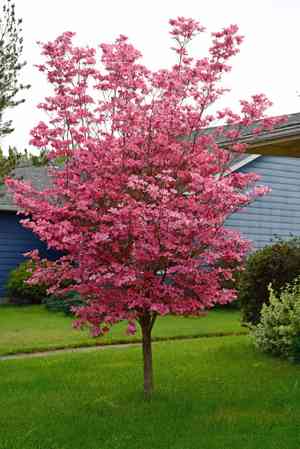
Cornus florida can be reproduced in the fall and winter seasons via Hardwood cuttings, Air layering, and Seed sowing techniques. Its propagation challenge level is average. Effective propagation is evidenced by the development of roots and fresh leaves. Recommendations for successful propagation involve applying rooting stimulant and ensuring sufficient hydration and light exposure.
Optimal Period for Flowering Dogwood Propagation
Propagation Method
Cuttings
Propagation Period
Fall,Winter
Tools for Flowering Dogwood Propagation
Pruning shears
These are essential for taking cuttings from flowering dogwood. The shears must be sharp and clean to ensure a precise cut, minimizing harm to the parent plant and cutting, thereby lowering disease risk and improving rooting success.
Rooting hormone
Applying a rooting hormone to the cut end of flowering dogwood cuttings can significantly boost the likelihood of successful root formation. This product encourages rapid new root development and offers some protection against fungal infections.
Sterile potting mix
A sterile potting mix is vital to provide a pathogen-free environment for flowering dogwood cuttings to root. It should drain well yet retain sufficient moisture to support root growth without waterlogging, which can cause rot.
Propagation trays or pots
These containers hold the potting mix and flowering dogwood cuttings. They should feature adequate drainage holes to manage excess water and reduce the risk of root rot during the rooting process.
Plastic covers or humidity domes
Maintaining high humidity around flowering dogwood cuttings is crucial to prevent water loss while they lack roots. These covers create a microclimate with the necessary humidity to facilitate rooting.
Heating mats
For flowering dogwood, consistent and appropriate bottom heat can accelerate root development. Heating mats placed under propagation trays ensure an even, optimal temperature that encourages rooting, especially in cooler climates or seasons.
Post-Propagation Care for Your Flowering Dogwood
Post-Propagation Care for Your Flowering Dogwood
Once the flowering dogwood cutting has developed a strong root system, gradually acclimate it to normal outdoor conditions by slowly increasing ventilation and decreasing humidity. Transplant it to a larger pot or a suitable outdoor spot with well-draining soil and partial to full sunlight. Water flowering dogwood regularly, especially during dry spells, and apply mulch to maintain soil moisture and temperature. Fertilize in early spring, and prune in winter to maintain shape and health.
Common Errors to Avoid When Propagating Flowering Dogwood
Poor cutting selection
Gardeners often choose weak or non-viable cuttings that struggle to root. Using cuttings from diseased or unhealthy parts of flowering dogwood can lead to poor root development and propagation failure.
Incorrect soil medium
Using the wrong soil mix can hinder root growth. An unsuitable medium for flowering dogwood may not provide the necessary drainage and aeration, leading to rot or fungal infections.
Excessive watering
Overwatering can cause flowering dogwood cuttings to rot before they establish roots. This practice is problematic as it creates an environment conducive to pathogens.
Ignoring humidity needs
Neglecting the requirement for a humid environment can cause flowering dogwood cuttings to dehydrate and reduce the potential for successful rooting.
Poor timing of propagation attempts
Attempting to propagate flowering dogwood during its active growth phase can result in failure as the plant's energy is directed towards foliage rather than root development.
Advice for Propagating Flowering Dogwood
Utilize healthy cuttings
Select vigorous and disease-free cuttings from flowering dogwood to enhance the chances of successful rooting and development.
Prepare the appropriate soil mix
Use a well-draining soil mix, ideally with equal parts soil, sand, and peat, to promote aeration and adequate root growth for flowering dogwood.
Regulate watering
Maintain consistent moisture but avoid overwatering. Allow the surface layer to dry out slightly before watering to encourage strong root growth for flowering dogwood.
Maintain suitable humidity
Enclose flowering dogwood cuttings in a plastic bag or use a propagator to retain humidity, which is crucial for preventing desiccation.
Provide proper post-propagation care
Once flowering dogwood cuttings have rooted, it is essential to gradually acclimate them to less humid conditions by slowly reducing humidity to avoid shock.



