How to Propagate Pagoda dogwood?
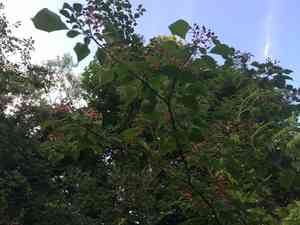
Cornus alternifolia can be multiplied in the fall or winter via dormant stem sections, air layering, and seed planting. The level of propagation challenge differs, but indicators of successful multiplication involve fresh shoots and root formation. Essential advice for propagation encompasses ensuring appropriate substrate and hydration levels, and employing rooting hormone compounds for cuttings.
Optimal Time for Pagoda Dogwood Propagation
Propagation Method
Cutting
Propagation Period
Autumn,Winter
Tools Required for Pagoda Dogwood Propagation
Pruning Shears
These are vital for obtaining cuttings from pagoda dogwood. Sharp, clean shears ensure a precise cut without harming the parent plant or the cutting. This cleanliness is crucial for disease prevention and healthy root development.
Rooting Hormone
This substance promotes root development on pagoda dogwood cuttings. Applying rooting hormone to the cut end can significantly boost the likelihood of successful root formation, which is key for pagoda dogwood propagation.
Sterile Potting Mix
A soilless, sterile potting mix offers a disease-free environment essential for the initial growth phase of pagoda dogwood cuttings. It typically contains peat, perlite, and vermiculite, providing excellent drainage and aeration, important for root formation.
Propagation Tray with Dome
This tray and dome combination creates a humid atmosphere that helps maintain moisture around pagoda dogwood cuttings, which is necessary to prevent the delicate cuttings from drying out before they can establish roots.
Heat Mat
A heat mat gently warms the soil, which can enhance root development in pagoda dogwood cuttings. This is particularly beneficial as consistent, appropriate warmth can stimulate root growth.
Misting Bottle
A misting bottle is used to keep pagoda dogwood cuttings and their surroundings humid without overwatering, which is essential to prevent desiccation while the cuttings are attempting to root.
Post-Propagation Care for Your Pagoda Dogwood
Post-Propagation Care for Your Pagoda Dogwood
Once rooted, gradually introduce new pagoda dogwood cuttings to outdoor conditions if they began indoors. After acclimation, transplant them to a spot with full sun to partial shade and well-draining soil. Water consistently to keep the soil moist but not waterlogged, and mulch the base to retain moisture and suppress weeds. Fertilize with a balanced, slow-release product in spring. Prune to maintain shape and remove damaged or diseased branches. Monitor for pests and diseases and treat as needed.
Common Errors to Avoid When Propagating Pagoda Dogwood
Overwatering
Watering pagoda dogwood cuttings or seedlings too often can lead to root rot, potentially harming or killing the young plants. Proper drainage and balanced moisture are critical.
Incorrect soil mix
Using soil that is too compact or lacks good drainage can suffocate the roots of pagoda dogwood. This issue hinders healthy root growth, which is vital for successful propagation.
Deep planting
Planting pagoda dogwood seeds or cuttings too deeply can impede successful sprouting or rooting, as they may not reach the surface or could rot before establishing.
Neglecting hygiene
Failing to sterilize equipment or using contaminated soil can introduce diseases to pagoda dogwood cuttings or seedlings, severely impacting their growth and survival rates.
Ignoring cutting selection
Choosing weak or diseased parts of pagoda dogwood for cuttings will likely result in propagation failure. Cuttings should be healthy and robust to ensure successful rooting.
Advice for Propagating Pagoda Dogwood
Moisture control
Maintain consistent moisture for pagoda dogwood cuttings and seeds without overwatering, using a misting system or covering with a plastic dome to create a humid environment.
Well-draining medium
Utilize a well-draining propagation medium for pagoda dogwood to prevent waterlogging. A mix of peat and perlite or sand typically provides a good balance.
Shallow planting
Sow seeds or insert cuttings of pagoda dogwood shallowly, ensuring good contact with the soil without being smothered or too deep to sprout.
Sterile equipment
Always use sterile pruning tools and pots when taking cuttings or sowing seeds of pagoda dogwood to prevent the spread of pathogens that could hinder propagation.
Select vigorous cuttings
Propagate pagoda dogwood from healthy, disease-free, and robust parts of the plant to increase success rates. The best cuttings come from semi-hardwood or matured greenwood.



