How to Propagate Siberian dogwood?
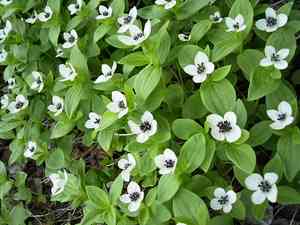
Showcasing vivid crimson stalks and prominent white drupes, siberian dogwood thrives when multiplied via cuttings. To achieve successful root formation, choose robust, partially matured stem sections during periods of active development. Sever cuttings cleanly beneath a leaf joint and strip away lower leaves to reveal a bare stem. Employing a rooting stimulant can significantly improve the likelihood of success. Embed the prepared cuttings into a well-aerated, damp potting substrate, ensuring sufficient distance between them. Maintain steady hydration and atmospheric moisture by covering with a plastic enclosure or situating in a propagation unit, and shield from direct solar exposure. Root emergence generally takes place within several weeks, subsequently allowing cuttings to be moved to separate containers to foster vigorous development.
Optimal Time for Siberian Dogwood Propagation
Propagation Method
Cutting
Propagation Period
Autumn,Winter
Tools for Siberian Dogwood Propagation
Pruning Shears
Pruning shears are crucial for taking cuttings from siberian dogwood. Sharp, clean shears ensure a precise cut that minimizes damage to the parent plant and maximizes the success rate of the cuttings by preventing infection and promoting healthy root formation. Selecting ergonomic, durable shears can enhance the ease and efficiency of the cutting process.
Rooting Hormone
Rooting hormone enhances the likelihood of successful root development in siberian dogwood cuttings. It encourages quicker root initiation and stronger root growth, essential for the establishment of new plants. Rooting hormone is applied directly to the freshly cut base of the stem just before it is placed in the growing medium.
Sterile Potting Mix
A sterile potting mix provides a safe, nutrient-rich environment for the roots of siberian dogwood to develop without the risk of soil-borne diseases. The mix should be well-draining yet capable of retaining enough moisture to support root growth. Sterilization assures that pathogens are eliminated, which could otherwise harm the young cuttings.
Moisture Dome
A moisture dome helps maintain high humidity levels around siberian dogwood cuttings, which is critical for preventing the delicate new stems from drying out before roots have developed. The dome creates a mini greenhouse effect, reducing water loss and providing stable temperature conditions, facilitating better growth.
Heat Mat
A heat mat is beneficial for providing consistent bottom warmth needed to promote root growth in siberian dogwood cuttings, especially in cooler climates or during cooler months. Uniform heat distribution helps ensure that the cuttings receive a stable environment conducive to root development.
How to Propagate Siberian Dogwood?
Propagation Type
Moderately Difficult
Caring for Your Newly Propagated Siberian Dogwood
Caring for Your Newly Propagated Siberian Dogwood
Siberian dogwood plants require consistent moisture but do not tolerate standing water. Place siberian dogwood in an area with full sun to partial shade. Mulch to keep roots cool and moist, and provide a balanced, slow-release fertilizer in early spring. Prune annually in late winter to promote vigorous growth and maintain desired shape.
Common Mistakes to Avoid When Propagating Siberian Dogwood
Overwatering cuttings
Excessive moisture can lead to rotting of cuttings, hindering siberian dogwood's ability to develop roots and potentially causing the plant to die.
Using non-sterile tools
Propagation with contaminated tools can introduce pathogens to siberian dogwood cuttings, severely affecting their chances of successful rooting and growth.
Taking cuttings from unhealthy plants
Cuttings sourced from diseased or weak siberian dogwood specimens may struggle to root and grow, limiting propagation success.
Incorrect cutting size
Siberian dogwood requires cuttings of a specific size for optimal rooting; too large or small may reduce rooting efficiency and plant viability.
Neglecting humidity
Siberian dogwood cuttings need a humid environment to root effectively; without it, they may dry out and fail to establish.
Tips For Propagating Siberian Dogwood
Use sharp, clean tools
Ensure cutting tools are sterilized before use to prevent the spread of disease and to create a clean cut that heals well and encourages rooting.
Choose healthy parent plants
Select robust, disease-free siberian dogwood specimens for cuttings to increase the likelihood of successful rooting and healthy growth.
Prepare cuttings appropriately
Take cuttings of the recommended length, and include at least two nodes for potential root development.
Regulate moisture levels
Keep the soil moist but not waterlogged to provide siberian dogwood cuttings with the ideal hydration for rooting without risking rot.
Maintain humidity
Use a plastic cover or a propagation chamber to conserve moisture around siberian dogwood cuttings, enhancing rooting conditions.



