How to Propagate Coriander?
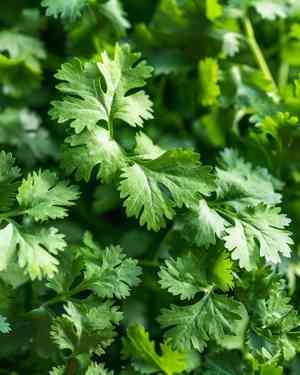
Coriander is most effectively propagated by planting seeds in the springtime. Its propagation is straightforward, with clear indicators of success such as emerging sprouts. Plant seeds directly into the ground, ensuring adequate distance between them and providing sufficient moisture for robust development.
When Is the Optimal Time to Propagate Coriander?
Propagation Method
Seeding
Propagation Period
Spring
What Equipment Is Used for Coriander Propagation?
Seed Tray
A seed tray offers an organized space for planting coriander seeds. It ensures uniform spacing and consistent depth, vital for successful germination. Its flat surface simplifies moisture monitoring and provides ample room for young plants to develop.
High-Quality Potting Mix
A sterile, nutrient-dense potting medium formulated for seed starting guarantees coriander seeds receive essential nutrients and adequate water retention for robust growth. This mix helps prevent soil-borne diseases that could impair seed germination and seedling development.
Seedling Heat Mat
Maintaining a steady temperature is crucial for coriander seed germination. A heat mat provides gentle warmth to the seed tray, which can boost the germination rate and speed for coriander, as it thrives in warmer soil conditions.
Watering Can with a Fine Rose
Proper hydration is essential during coriander propagation. A watering can equipped with a fine rose attachment allows for gentle irrigation that won't dislodge or bury delicate seeds. The soft spray ensures even moisture distribution without causing soil erosion.
Clear Plastic Dome or Cover
Creating a humid environment aids coriander germination by keeping the soil moist. A clear plastic dome or cover fits over the seed tray, acting as a miniature greenhouse, trapping moisture and warmth, both beneficial for coriander seed germination.
Propagation Labels
Using labels assists in identifying coriander seedlings, especially when cultivating various plant species simultaneously. Labels are crucial for tracking growth progress and ensuring appropriate care for each plant type.
Dibber or Seed Sowing Tool
For precise planting of coriander seeds, a dibber or seed sowing tool enables the creation of uniform holes or furrows at the correct depth. This ensures seeds are not planted too deep, which could hinder germination.
How to Propagate Coriander?
Propagation Method
Seeding
Difficulty Level
Easy
How to Care for Your Newly Propagated Coriander?
How to Care for Your Newly Propagated Coriander?
To care for coriander after propagation, ensure it is situated in an area with full sun or partial shade. Coriander requires consistent watering, especially during dry periods, but be cautious not to over-water as it can lead to root rot. Mulch can be applied to retain soil moisture and suppress weeds. Fertilize with a balanced, slow-release fertilizer every 4-6 weeks during the growing season. Monitor for pests such as aphids and address them promptly if found. Coriander can be harvested when its leaves are lush and green, typically 45 to 70 days from sowing. For continuous harvest, sow seeds every few weeks.
Common Errors to Avoid When Propagating Coriander
Overwatering
Supplying coriander with excessive water can result in root rot, a condition where the plant's roots decay due to surplus moisture. This impairs the plant's ability to absorb nutrients and can be lethal.
Deep planting
Sowing coriander seeds too deeply can impede germination, as the seeds need light to initiate growth. Deeply planted seeds are less likely to emerge and establish.
Ignoring soil quality
Using soil that lacks proper drainage or is deficient in organic matter can hinder coriander root development and growth, as the plant thrives in well-draining fertile soil.
Overcrowding
Planting coriander seeds too close together can create competition for light, space, and nutrients, leading to weaker plants and reduced yields.
Neglecting to thin seedlings
Failing to remove surplus coriander seedlings can result in overcrowding. Thinning ensures that the remaining plants have adequate space to grow healthily.
Tips For Propagating Coriander
Proper seed depth
Plant coriander seeds approximately 0.25 inches (0.6 cm) deep, allowing sufficient light access for germination and promoting robust seedling development.
Moist, but not waterlogged soil
Maintain consistently moist soil for coriander to facilitate germination and growth. However, avoid excessive watering to prevent root rot.
Soil composition
Utilize a well-draining soil enriched with organic matter to provide coriander with a healthy growing environment, which encourages strong root development.
Adequate spacing
Space coriander seeds at appropriate intervals, typically 2-4 inches (5-10 cm) apart, to minimize competition and allow for ample airflow, reducing the risk of fungal diseases.
Timely thinning
Once coriander seedlings have emerged, thin them to prevent overcrowding. Allow the strongest plants to mature.



