How to Propagate Whorled tickseed?
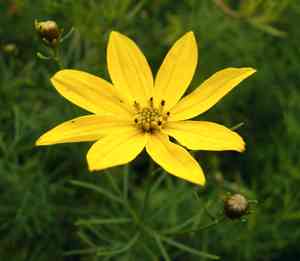
The most effective way to propagate Whorled tickseed is by seeding, generally performed in the springtime. The level of challenge for this propagation technique is intermediate. Evidence of successful propagation includes sprouting and steady development. Providing adequate distance between plants and using soil that drains effectively can improve propagation outcomes.
Optimal Time for Whorled Tickseed Propagation
Propagation Method
Seeding
Propagation Period
Spring
Tools for Whorled Tickseed Propagation
Seedling Tray
Seedling trays are vital for planting whorled tickseed seeds. They help maintain consistent spacing and depth, promoting proper germination and growth. The tray's compartments prevent root entanglement, simplifying transplanting without harming delicate root systems.
Seed Starting Mix
A premium seed starting mix offers whorled tickseed the essential nutrients and proper aeration required for seed germination. This soilless blend ensures good drainage and prevents diseases that could impede whorled tickseed germination.
Misting Bottle
A misting bottle is used to lightly moisten whorled tickseed seeds in the tray. It allows for gentle hydration without disturbing the seeds or causing soil erosion, which could expose seeds and hinder germination. Proper moisture is crucial for whorled tickseed germination and early growth.
Plant Labels
Plant labels are useful for tracking whorled tickseed varieties, especially when propagating multiple cultivars simultaneously. They assist in organizing and identifying plants throughout their growth, ensuring specific care needs for different cultivars are met.
Heating Mat
A heating mat is beneficial for whorled tickseed seed germination, providing consistent warmth often necessary to initiate the germination process. This is particularly important in cooler climates or during early spring sowings when ambient temperatures may be too low for whorled tickseed seeds to germinate effectively.
Grow Lights
If starting whorled tickseed seeds indoors or in low-light areas, grow lights can provide the necessary light spectrum to encourage healthy growth and prevent seedlings from becoming leggy. They offer artificial sunlight, helping whorled tickseed seedlings develop strong and sturdy before outdoor transplanting.
Watering Can with a Fine Rose
A watering can with a fine rose attachment is important for watering whorled tickseed seedlings once they have germinated. It delivers water gently and evenly without displacing soil or damaging the young plant's foliage and roots.
How to Propagate Whorled Tickseed?
Propagation Type
Seeding
Difficulty Level
Easy
Caring for Newly Propagated Whorled Tickseed
Caring for Newly Propagated Whorled Tickseed
Once whorled tickseed has been successfully propagated and transplanted, it requires minimal upkeep. Ensure the plant receives full sun to partial shade and has good drainage. Water regularly to establish the plant, especially during prolonged dry spells. After the first season, whorled tickseed becomes more drought tolerant. Remove spent flowers to encourage more blooms. In autumn, you can leave the seed heads to self-sow or collect them for future propagation. Divide clumps every few years in the spring to maintain vigor.
Common Errors to Avoid When Propagating Whorled Tickseed
Overwatering
Excessive watering can lead to root rot, which is harmful to whorled tickseed's rooting process. This plant prefers well-drained soil, and too much moisture can deprive roots of necessary air, causing them to decay.
Using diseased or weak parent plants
Propagating whorled tickseed from unhealthy or weak stock can result in poor quality offspring lacking vigor and potentially already infected with pathogens, ultimately hindering propagation success and plant health.
Planting cuttings too deeply
Inserting cuttings too far into the soil can cause whorled tickseed cuttings to rot before they have a chance to root. Correct insertion depth is vital for successful root development.
Ignoring soil requirements
Failing to provide whorled tickseed with its preferred soil type can lead to suboptimal growth conditions. Whorled tickseed thrives in well-draining soil with moderate fertility, and not meeting these conditions can negatively impact root development and plant vitality.
Neglecting to harden off transplants
Not acclimatizing whorled tickseed transplants to outdoor conditions can lead to shock and dieback when the plants are moved outside. Gradual exposure is important for transition from a protected environment to the elements.
Tips For Propagating Whorled Tickseed
Choose healthy parent plants
Select robust and disease-free parent plants for propagation. This ensures the cuttings or divisions have the best chance of thriving and developing into strong whorled tickseed plants.
Rooting hormone
Using a rooting hormone can improve the rooting success of whorled tickseed cuttings by stimulating root growth and development, which is particularly beneficial for this species.
Proper cutting length
Cuttings should be of the correct length, typically 4-6 inches, to balance moisture retention and surface area for root growth. Appropriate cutting size increases the likelihood of successful whorled tickseed propagation.
Adequate light and moisture
Maintain appropriate moisture levels and provide sufficient light, but avoid direct scorching sun, as whorled tickseed cuttings need indirect sunlight to root without drying out or overheating.
Regular monitoring
Regularly check on the whorled tickseed cuttings or divisions for signs of growth or issues such as rot or mildew. Early detection of problems can help address them promptly, promoting healthier growth.



