How to Propagate Ti plant?
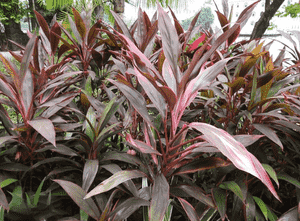
The most efficient way to multiply ti plant is through separation, preferably in the Spring or Autumn periods. This procedure might demand a moderate amount of exertion, but new sprouts and robust root development frequently signify success. Provide appropriate care for the separated portions to guarantee successful multiplication.
Optimal Period for Ti Plant Propagation?
Propagation Method
Separation
Propagation Period
Spring, Autumn
Tools for Ti Plant Propagation?
Sharp, clean knife or pruning shears
A keen knife or pruning shears are vital for division to ensure a clean incision that avoids harming ti plant's stems or roots. A clean cut aids in preventing infection and encourages faster healing and regrowth.
Disinfectant for tools
A sanitizing agent, such as isopropyl alcohol or a 10% bleach solution, is utilized to sterilize cutting implements before and after use to inhibit the transmission of disease among plants during the propagation process.
Watering can with a fine rose attachment
This implement delivers gentle irrigation to hydrate ti plant following division, assisting the plant in recovery without excessively disturbing the soil or new plant divisions.
Potting mix suitable for ti plant
Employing a well-draining, fertile potting medium guarantees that the separated sections of ti plant possess the ideal substrate for root growth and establishment.
Containers with drainage holes
Pots featuring drainage holes ensure that surplus water can exit, which is crucial for averting root rot in the freshly propagated divisions of ti plant.
Rooting hormone (optional)
Rooting hormone can be applied to the severed surfaces of the divisions to stimulate rapid and robust root formation, which can be particularly advantageous for ti plant if there are difficulties in root development.
Labels and a permanent marker
Labels with a permanent marker enable proper identification and tracking of propagated plants, especially when managing multiple divisions of ti plant or various species.
How to Propagate Ti Plant?
Propagation Method
Division
Difficulty Level
Simple
Caring for Your Newly Propagated Ti Plant?
Caring for Your Newly Propagated Ti Plant?
Post-propagation, maintain consistent moisture without saturating the soil. Keep ti plant in a warm location with bright, indirect illumination and high humidity if feasible. Fertilize monthly during the active growth period with a balanced liquid fertilizer, and repot every couple of years as ti plant matures. Monitor for pests and diseases, treating as required.
Common Errors to Avoid When Propagating Ti Plant
Overwatering cuttings
Excessive moisture can lead to the decay of ti plant's cuttings before they can establish roots, potentially ruining the propagation material.
Using dull cutting tools
Blunt blades can harm ti plant's tissues, creating ragged cuts that are more susceptible to infection and less likely to heal and root correctly.
Taking cuttings from unhealthy plants
Cuttings from diseased or stressed parent plants are less likely to root and develop into healthy ti plant plants, as they can carry over the same problems.
Ignoring leaf node placement
Leaf nodes are where roots typically emerge in ti plant. Disregarding the positioning of these nodes when cutting can result in a lower success rate for rooting.
Neglecting humidity levels
Insufficient humidity can cause ti plant cuttings to lose moisture and wilt before they establish roots, while excessive humidity can encourage fungal growth.
Advice for Propagating Ti Plant
Sterilize cutting tools
Utilizing sterilized cutting implements helps prevent the spread of disease to ti plant cuttings, fostering healthier growth and improved rooting success.
Use rooting hormone
Applying rooting hormone to the cut end of ti plant can encourage faster and more dependable root development.
Choose healthy parent plants
Selecting robust and vigorous parent plants for cuttings ensures that ti plant has the best genetic foundation for successful propagation.
Provide indirect light
While rooting, ti plant cuttings benefit from bright, indirect light, which aids in promoting growth without the stress of direct sun.
Maintain proper humidity
Maintaining a balanced humidity level around ti plant cuttings can support root development without increasing the risk of fungal diseases.



