How to Propagate Blue mistflower?
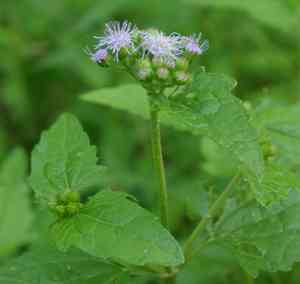
Ageratum, also known as Blue mistflower, readily multiplies via separation, preferably in the spring or fall. New root formation and vigorous new shoots indicate successful propagation. Sufficient hydration and appropriate distance between plants are vital for peak development.
Optimal Period for Blue Mistflower Propagation
Propagation Type
Division
Propagation Season
Spring, Autumn
Tools for Blue Mistflower Propagation
Garden fork or spade
A garden fork or spade is crucial for the division method of propagating blue mistflower. This implement is used for digging around and loosening the soil to lift the plant from the ground without causing excessive root damage.
Sharp knife or pruning shears
A sharp knife or pruning shears are essential for making clean cuts through the roots and dividing blue mistflower clumps into smaller sections. Clean cuts are vital for reducing disease risk and encouraging quicker recovery and root development.
Watering can or a hose with a gentle nozzle
Following the division and replanting of blue mistflower, a watering can or hose with a gentle nozzle allows for thorough watering of the newly planted divisions. Proper watering helps settle the soil around the roots and reduces air pockets, which can cause root desiccation.
Rooting hormone
While not always necessary, rooting hormone can be utilized to stimulate root growth in the divided sections of blue mistflower. This product increases the chances of successful establishment by enhancing root development in the propagated plants.
Potting mix or garden soil
High-quality potting mix or well-draining garden soil is crucial for providing the necessary nutrients and support for the new blue mistflower divisions. This medium should be rich in organic matter to promote healthy growth.
Plant labels
Plant labels are vital for keeping track of the various blue mistflower divisions, especially if multiple plants are being propagated simultaneously. Labels aid in monitoring the growth and development of each section, ensuring proper care for each plant.
How to Propagate Blue Mistflower?
Propagation Type
Division
Difficulty Level
Easy
Caring for Your Newly Propagated Blue Mistflower
Caring for Your Newly Propagated Blue Mistflower
After propagation, blue mistflower requires consistent watering to establish a robust root system, particularly during the initial growing season. Provide approximately 1 inch of water weekly, adjusting based on rainfall and soil conditions. Shield the plant from extreme heat and winter cold. Fertilize lightly in the spring with a balanced fertilizer if growth appears sluggish. Deadhead spent blooms to encourage more flowering and cut back in late fall or early spring to maintain shape and promote healthy new growth. Monitor for pests and diseases and manage them as needed. Blue mistflower spreads by rhizomes, so dividing it every few years will help manage its growth and maintain plant health.
Common Mistakes to Avoid When Propagating Blue Mistflower
Overwatering
Propagating blue mistflower with excessively moist soil can lead to root rot. This condition is detrimental as it impedes root development and can be fatal if not addressed promptly.
Deep planting
Planting blue mistflower cuttings too deeply can cause them to rot before they have a chance to root. This error deprives the cuttings of essential oxygen and can lead to fungal infections.
Ignoring pest control
Neglecting to manage pests during propagation can result in infestations that compromise the health of blue mistflower. Pests can damage tender new growth and hinder the plant's ability to establish itself.
Using unsterilized tools
Employing unsterilized equipment when cutting or handling blue mistflower can introduce pathogens, potentially leading to plant diseases that can spread and affect propagation success.
Tips For Propagating Blue Mistflower
Proper cutting technique
Ensure blue mistflower cuttings have a clean and sharp cut to promote better root development. A jagged or crushed stem end can impede nutrient flow and root growth.
Adequate light
Provide blue mistflower cuttings with sufficient indirect sunlight. Too much direct sun can cause stress and leaf burn, while too little sun can lead to weak, leggy growth.
Maintain humidity
Maintaining a humid environment for blue mistflower cuttings ensures that they do not dry out before developing roots. A balance is crucial as excessive humidity can also promote fungal growth.
Rooting hormone
Applying a rooting hormone to blue mistflower cuttings can stimulate root growth and enhance the chances of successful propagation. It helps in quicker establishment and stronger root systems.



