How to Propagate Parry's blue eyed mary?
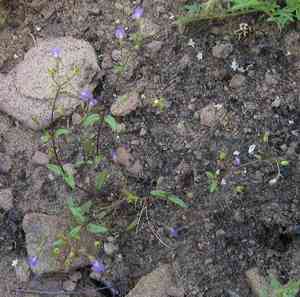
Parry's blue eyed mary is a compact, yearly herbaceous plant recognized for its vivid azure blossoms. To multiply parry's blue eyed mary, disperse seeds directly into soil that drains effectively, ideally with partial shade. Confirm that the seeds are gently concealed and maintain continuous soil dampness. This species flourishes in conditions akin to its natural surroundings, needing little interference. Steady hydration and preventing excessive watering encourage successful sprouting and development.
When Is the Optimal Period to Propagate Parry's Blue Eyed Mary?
Propagation Type
Sowing
Propagation Season
Spring
What Equipment Is Utilized in Parry's Blue Eyed Mary Propagation?
Seed Tray
A seed tray offers a controlled setting for planting parry's blue eyed mary seeds, ensuring uniform distribution and consistent moisture. It facilitates better air circulation and encourages robust root development.
Seed Compost
Specialized seed compost is crucial for parry's blue eyed mary as it supplies vital nutrients needed during early growth. It also possesses a light texture, aiding proper drainage and root establishment.
Watering Can with Fine Rose
A watering can equipped with a fine rose delivers a gentle water stream, minimizing soil disruption and ensuring even moisture for parry's blue eyed mary seeds, which helps prevent dislodging or harm to young plants.
Propagation Lid/Dome
A propagation lid or dome retains humidity and maintains elevated moisture levels, essential for the germination of parry's blue eyed mary seeds. This creates a miniature greenhouse effect, speeding up the germination process.
Label Stakes
Label stakes are vital for marking the planting date and specific type of parry's blue eyed mary. Clear labeling assists in tracking germination rates and managing cultivation.
Spray Bottle
A spray bottle provides misting, often necessary to maintain moisture without over-saturating young parry's blue eyed mary seedlings. This tool is key for delicate plants to prevent waterlogging and root decay.
Heating Mat
A heating mat ensures a steady temperature, which can be crucial for the germination of parry's blue eyed mary seeds in cooler climates. Maintaining a stable, warm environment supports faster and more uniform germination.
Light Source (Grow Lights)
Supplementary illumination, such as grow lights, guarantees that parry's blue eyed mary seedlings receive adequate light, especially in dim conditions or during short daylight periods, promoting strong, healthy growth.
How to Propagate Parry's Blue Eyed Mary?
Propagation Type
Easy
How to Care for Your Newly Propagated Parry's Blue Eyed Mary?
How to Care for Your Newly Propagated Parry's Blue Eyed Mary?
Following transplanting, continue to provide parry's blue eyed mary with consistent moisture, ensuring the soil remains slightly damp but not waterlogged. Position the plants in an area with partial sun to light shade. Monitor for pests and diseases, and apply suitable organic treatments if needed. Mulch around the plants to retain soil moisture and suppress weeds. Regularly check for new growth and remove any dead or damaged foliage to encourage healthy development.
Common Errors to Avoid When Propagating Parry's Blue Eyed Mary
Overwatering
Excessive moisture can lead to root rot and other fungal diseases that can be harmful to parry's blue eyed mary.
Poor Soil Drainage
Utilizing dense, poorly draining soil can suffocate the roots and impede growth.
Insufficient Light
Not providing enough sunlight can result in weak, elongated plants with poor overall health.
Incorrect Seed Stratification
Failing to provide the necessary cold stratification for the seeds can result in low germination rates.
Transplanting Too Early
Moving seedlings to their permanent location before they are robust enough can lead to transplant shock and poor establishment.
Advice For Propagating Parry's Blue Eyed Mary
Use Well-Draining Soil
Ensure that the soil mixture is light and drains well to prevent waterlogging and promote healthy root growth.
Provide Adequate Light
Place parry's blue eyed mary in a spot where it receives sufficient, indirect sunlight for optimal growth.
Cold Stratification
Mimic the natural cold period by storing the seeds in a refrigerator for a few weeks before planting to enhance germination success.
Water Moderately
Keep the soil moist but not saturated. Ensure the top layer of soil dries out slightly between waterings to prevent root rot.
Transplant with Care
Wait until the seedlings have developed a strong root system before moving them to their final location to minimize transplant shock.



