How to Propagate Common coleus?
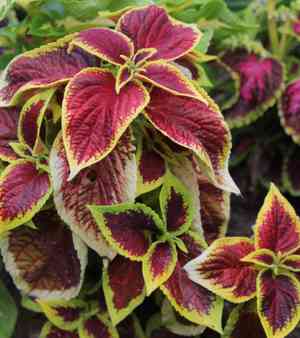
The most effective way to propagate common coleus is by taking cuttings during the spring and summer seasons. This technique is quite straightforward, with indicators of success including the emergence of new foliage. Ensure the freshly severed stem is kept in a humid setting to encourage the formation of roots.
Optimal Time for Common Coleus Propagation
Propagation Method
Cutting
Propagation Period
Spring, Summer
Essential Tools for Common Coleus Propagation
Sharp pruning shears or scissors
These implements are vital for obtaining precise sections from the parent common coleus plant. A keen, sanitized blade ensures a clean cut, minimizing harm to both the source plant and the new section. Clean cuts help prevent infections and promote quicker rooting of the cuttings.
Rooting hormone
This compound encourages root development on common coleus cuttings. Applying a rooting hormone to the severed end of a cutting enhances the likelihood of successful root formation, thereby boosting the overall propagation success rate.
Sterile potting mix
A premium, well-draining, and pathogen-free potting medium offers the perfect setting for common coleus cuttings to establish roots. It lowers the chance of fungal or bacterial growth that could harm the cutting before it roots.
Clear plastic bags or propagation dome
These coverings maintain high humidity around the common coleus cuttings, which is beneficial for stimulating root growth. A moist environment helps prevent the cuttings from drying out before they can develop roots.
Plant pots or trays
Small containers or propagation trays are utilized for planting the common coleus cuttings once they are prepared. They should feature drainage holes to prevent waterlogging and provide ample space for root expansion.
Watering can with a fine rose
Gentle irrigation is crucial for newly propagated common coleus cuttings. A watering can equipped with a fine rose attachment ensures a soft water flow, minimizing disturbance to the cuttings and providing even moisture without eroding the potting mix.
How to Propagate Common Coleus
Propagation Type
Cutting
Difficulty Level
Easy
Caring for Your Newly Propagated Common Coleus
How to Care for Your Newly Propagated Common Coleus?
Post-propagation, position the new common coleus in indirect sunlight and maintain a consistent watering schedule, allowing the soil to dry slightly between waterings. Ensure adequate drainage to prevent waterlogged soil, which can lead to root rot. Fertilize with a balanced, water-soluble feed every 2-4 weeks during the active growth period. Pinch back stem tips to encourage a bushier habit. Common coleus prefers warm temperatures and should be shielded from temperatures below 50°F (10°C).
Common Errors to Avoid When Propagating Common Coleus
Poor cutting selection
Choosing stems that are either too immature or too aged can result in inadequate rooting. Young stems may lack the vigor to survive, while older stems might be less robust and slower to root.
Excessive watering of cuttings
Keeping the soil overly damp can cause the common coleus cuttings to rot before they have a chance to establish roots. This fosters an environment conducive to fungal and bacterial proliferation.
Using blunt cutting implements
Employing dull tools to take cuttings can lead to crushed or jagged stems, damaging the common coleus tissue and increasing the risk of infection and poor rooting.
Neglecting humidity
Failing to maintain a high humidity environment for the cuttings can result in desiccation and poor root development due to moisture loss through the leaves.
Lack of sanitation
Ignoring cleanliness can introduce pathogens to the cuttings, which can lead to diseases that hinder root growth or even kill the cutting.
Tips For Propagating Common Coleus
Stem cutting selection
Select semi-ripe stem cuttings of common coleus with healthy foliage but no blooms. These are typically the best candidates for propagation.
Moderate watering
Keep the soil consistently moist but not saturated. Use a well-draining substrate to provide optimal moisture levels for rooting without causing rot.
Sharp cutting tools
Utilize sterilized and sharp cutting tools to ensure clean cuts that will heal rapidly and reduce the risk of disease transmission.
Maintain humidity
Create a humid environment for the common coleus cuttings by covering them with a clear plastic bag or placing them in a propagator. This helps retain moisture around the cuttings, aiding root formation.
Sterilize materials
Disinfect all propagation materials and work surfaces to prevent the spread of disease among the common coleus cuttings.



