How to Propagate Garden croton?
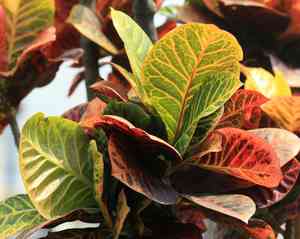
The most effective way to propagate Garden croton is through stem cuttings, preferably in the spring and summer seasons. This procedure presents a moderate challenge, with successful rooting evidenced by fresh development. Utilize a growing medium that drains efficiently and sustain elevated humidity levels for the best outcomes.
Optimal Period for Garden Croton Propagation
Propagation Method
Cutting
Propagation Season
Spring, Summer
Tools Required for Garden Croton Propagation
Sharp Pruning Shears
These are crucial for obtaining clean and precise cuttings from garden croton. A keen blade ensures a smooth incision, minimizing harm to the parent plant and boosting the cutting's chances of survival.
Rooting Hormone
Applying rooting hormone to the severed end of garden croton aids in stimulating root development from the cutting. This can significantly enhance propagation success rates by encouraging rapid and robust root formation.
Sterile Potting Mix
A premium, sterile potting medium offers the ideal environment for garden croton cuttings to establish roots. It reduces disease risk and provides proper air circulation and moisture retention.
Propagation Trays or Pots
These containers are utilized for planting garden croton cuttings. They must possess adequate drainage to avert waterlogging, which can lead to decay and fungal issues.
Clear Plastic Bags or Propagation Domes
Creating a miniature greenhouse atmosphere with these items helps maintain elevated humidity around garden croton cuttings, which is vital for promoting root growth and preventing the cuttings from drying out.
Heating Mat
For garden croton, a heating mat can be positioned beneath propagation trays to sustain a steady and warm temperature, which can accelerate root development in the cuttings.
Misting Bottle
Frequent misting with a bottle can keep humidity levels high for garden croton cuttings without overwatering, which is critical for the delicate cuttings as they form new roots.
Steps to Propagate Garden Croton
Propagation Type
Cutting
Difficulty Level
Moderately Difficult
Post-Propagation Care for Your Garden Croton
Post-Propagation Care for Your Garden Croton
Following propagation, continue to provide garden croton with bright, indirect light. Water when the top inch of soil feels dry, and maintain humidity by misting the plant or using a pebble tray. Fertilize monthly with a balanced liquid fertilizer during the active growth period. Keep away from cold drafts and ensure a temperature range of 60-85°F (15-29°C). Regularly inspect for pests such as spider mites or mealybugs. Prune as needed to encourage a bushier habit and remove any yellowing foliage.
Common Errors to Avoid When Propagating Garden Croton
Overwatering cuttings
Keeping the soil excessively wet can lead to root rot in garden croton cuttings, impeding root development and potentially killing the plant.
Using dull cutting tools
Blunt or uncleaned cutting instruments can harm the stems of garden croton, resulting in poor healing and increased susceptibility to disease.
Insufficient humidity
Cuttings of garden croton require high humidity to successfully root. Low humidity can cause cuttings to desiccate before they can establish roots.
Ignoring leaf size
Leaving large leaves on garden croton stem cuttings can cause excessive moisture loss through transpiration, jeopardizing the cutting's survival before it can root.
Poor light conditions
Providing inadequate light can lead to weak, elongated growth in garden croton cuttings, making them less robust and more prone to failure.
Tips for Propagating Garden Croton
Sterile equipment
Utilize sterilized cutting tools to prevent disease transmission and ensure a clean cut, which aids garden croton cuttings in healing and rooting more effectively.
Correct soil mix
Plant garden croton cuttings in a well-draining soil mixture to encourage root growth while preventing waterlogging and associated diseases.
Balanced moisture
Keep the soil of garden croton cuttings consistently moist but not saturated to promote healthy root development without the risk of rot.
Humidity control
Maintain high humidity around garden croton cuttings, using a humidity dome or plastic bag to create a favorable microclimate for rooting.
Optimal cutting size
Cuttings of garden croton should be approximately 4-6 inches long with a few leaves remaining at the top to ensure sufficient surface area for photosynthesis without excessive water loss.



