How to Propagate Vasevine?
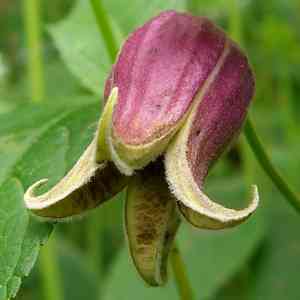
Belonging to the Ranunculaceae botanical group, vasevine is frequently multiplied via cuttings. To achieve successful cultivation, employ semi-hardwood sections harvested during periods of vigorous development. The incision should encompass a pair of nodes to facilitate prospective root and stem formation. These sections establish roots more easily when sustained in a humid atmosphere and treated with rooting compounds prior to insertion into a porous substrate. Steady hydration and diffused illumination will nurture the cuttings until they develop a strong root network, making it essential to uphold an environment conducive to these requirements.
Optimal Time for Vasevine Propagation
Propagation Method
Cutting
Propagation Period
Spring,Summer
Tools for Vasevine Propagation
Sharp pruning shears
Crucial for obtaining healthy, precise cuttings from vasevine. Sharp blades ensure clean cuts, preventing stem damage, which is vital for avoiding disease and promoting quick healing and root growth.
Rooting hormone powder or gel
Enhances root development in vasevine cuttings. Applying rooting hormone to the cut end before planting significantly improves rooting success by stimulating root formation at the cut site.
Sterilized potting mix
Offers a clean, nutrient-rich environment for new vasevine cuttings to root. A sterile medium prevents pathogen introduction that could harm cuttings before root establishment.
Humidity dome or clear plastic bag
Creates a miniature greenhouse effect around newly planted vasevine cuttings. This maintains a consistently moist atmosphere, encouraging root growth and preventing the cutting from drying out during the crucial rooting phase.
Heat mat (optional but beneficial)
Accelerates root growth by maintaining an ideal soil temperature, especially useful in cooler months. Keeping the soil warm can boost vasevine's propagation success rate.
Propagating Vasevine
Propagation Type
Moderately Difficult
Caring for Newly Propagated Vasevine
Caring for Newly Propagated Vasevine
Post-propagation, position the pot in a spot with indirect light. Keep the soil consistently moist, but avoid waterlogging. To encourage robust growth, fertilize vasevine with a balanced, water-soluble fertilizer every 4 weeks during the growing season. Regularly check for pests and diseases. As vasevine is a climbing vine, providing a trellis or support structure will aid in managing its growth.
Common Errors to Avoid When Propagating Vasevine
Overwatering
Excessive moisture during propagation can lead to root rot, hindering vasevine's root development and overall growth.
Deep Planting
Inserting vasevine's cuttings too far into the substrate can impede proper root formation and restrict oxygen availability to the initial rooting zone.
Ignoring Humidity
Failing to maintain a high humidity environment can cause vasevine's cuttings to dry out before they have a chance to root.
Using Diseased Material
Gardeners might unknowingly use diseased cuttings or segments for propagation, potentially spreading pathogens and compromising the health of new vasevine plants.
Poor Timing
Attempting to propagate vasevine during its active flowering period may divert the plant's energy from root formation to bloom development.
Neglecting Aftercare
Failing to provide adequate care after initial rooting can result in transplant shock or poor establishment of vasevine.
Advice for Propagating Vasevine
Clean Cuts
Make precise cuts using sanitized tools to minimize infection risk and promote healthier rooting for vasevine.
Appropriate Depth
When planting vasevine's cuttings, ensure they are placed at an optimal depth for sufficient root development while still exposing a portion of the stem to air.
Moisture Control
Keep the propagation medium moist but not saturated to support vasevine's root development without causing decay.
Humidity Management
Utilize a humidity dome or plastic bag to maintain elevated humidity levels around vasevine's cuttings during propagation.
Healthy Plant Material
Select healthy, disease-free segments from a vigorous vasevine parent plant to increase the likelihood of successful propagation.
Aftercare Monitoring
Regularly monitor vasevine after initial rooting to gradually acclimate the plant to less controlled environments and ensure its successful establishment.



