How to Propagate Farewell to spring?
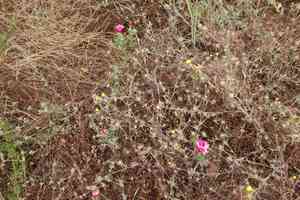
Cultivating farewell to spring is most effectively achieved by planting seeds during the springtime, presenting a medium level of challenge. Successful cultivation is evidenced by sprouting and robust, verdant young plants. Guarantee appropriate distance between plants and suitable soil environments for peak development.
Optimal Time for Farewell To Spring Propagation
Propagation Method
Seeding
Propagation Period
Spring
Tools for Farewell To Spring Propagation
Seed Trays
Seed trays are vital for starting farewell to spring seeds, offering a controlled setting for germination. Individual cells prevent root tangling, simplifying later transplanting without disturbing young plant roots. This is especially helpful for farewell to spring, which has delicate root systems.
Soilless Potting Mix
Farewell to spring needs a well-draining, nutrient-rich medium for best germination. Soilless potting mix is perfect, reducing soil-borne disease risk and ensuring good air circulation and water drainage. A fine-textured mix helps smaller seeds like farewell to spring maintain proper contact for water absorption and germination.
Watering Can with a Fine Rose
A watering can with a fine rose attachment is essential for gently watering farewell to spring seeds without dislodging them. It delivers a soft, rain-like spray that adequately moistens the potting mix without causing soil erosion or seed displacement, both detrimental to farewell to spring's germination.
Clear Plastic Dome or Plastic Wrap
Using a clear plastic dome or covering the seed tray with plastic wrap creates a miniature greenhouse effect. This maintains high humidity and a stable temperature, crucial for farewell to spring's germination. The transparent material also ensures seedlings get sufficient light once they emerge.
Grow Lights (if indoors)
If propagating farewell to spring indoors or in low-light conditions, grow lights can supply the necessary light spectrum to promote strong, healthy seedling growth. This is particularly beneficial during early stages when farewell to spring seedlings require ample light for robust foliage development.
Heating Mat (optional depending on climate)
In cooler climates, a heating mat can elevate soil temperature to the ideal range for farewell to spring seed germination. Consistent warmth is key for quick and even germination of farewell to spring, especially where natural temperatures are below optimal.
Labels and Marker
Labeling trays with labels and a waterproof marker is important for tracking sowing dates and identifying farewell to spring. This is especially useful when propagating multiple plant species, preventing mix-ups and ensuring specific care needs for farewell to spring are met.
How to Propagate Farewell To Spring
Propagation Method
Seeding
Difficulty Level
Easy
Caring for Newly Propagated Farewell To Spring
Caring for Newly Propagated Farewell To Spring
Farewell to spring is fairly drought-tolerant once established but thrives with regular watering during prolonged dry spells. Removing spent flowers encourages continuous blooming. Apply a balanced fertilizer sparingly to support growth, but avoid over-fertilizing, which can reduce flowering. Farewell to spring can self-sow and may be allowed to naturalize in a suitable environment. Hardy and low maintenance, farewell to spring flourishes with minimal attention, making it an excellent choice for new gardeners.
Common Propagation Mistakes for Farewell To Spring
Poor soil drainage
Using soil that lacks proper drainage can lead to waterlogging, potentially causing root rot in farewell to spring, impeding its growth, and possibly killing young plants.
Overcrowding seeds
Sowing farewell to spring's seeds too closely can result in competition for light, nutrients, and space, leading to weaker plants more prone to disease.
Deep seed planting
Planting farewell to spring's seeds too deeply can hinder germination, as these seeds need light to sprout and should be sown on the soil surface.
Ignoring pests
Failing to monitor for pests like aphids and slugs can severely damage farewell to spring, as these pests can rapidly destroy seedlings and foliage.
Over-fertilization
Applying too much fertilizer can cause excessive leaf growth at the expense of flowers, and can also harm the delicate roots of farewell to spring.
Tips For Propagating Farewell To Spring
Surface sowing
Sow farewell to spring's seeds on the soil surface, as light aids their germination. Gently press the seeds into the soil without covering them.
Moderate watering
Water farewell to spring seedlings moderately to keep the soil moist, but avoid waterlogging, which can harm the plant's roots and discourage growth.
Thinning out
When seedlings are a few inches tall, thin them out to prevent overcrowding. This provides adequate space for farewell to spring to grow strong and healthy.
Pest control
Regularly check farewell to spring for signs of pests and manage them promptly using appropriate organic or chemical controls to protect the seedlings.
Balanced fertilization
Use a balanced, low-strength fertilizer for farewell to spring to support healthy growth without excessively promoting leaf production over flowering.



