How to Propagate Lemon?
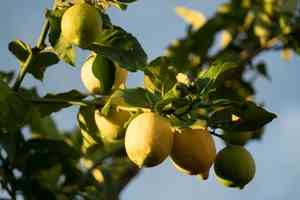
Lemon plants are commonly multiplied via 'Cutting' throughout the Spring and Summer periods. This procedure is quite straightforward and yields positive outcomes with the emergence of new shoots. Make certain to utilize robust stem segments and prevent excessive watering during the propagation phase.
What Is the Best Time To Propagate Lemon?
Propagation Type
Cutting
Propagation Season
Spring, Summer
What Tools Are Used in Lemon Propagation?
Pruning Shears
These are utilized for obtaining cuttings from the lemon tree. The shears must be sharp and clean to guarantee a precise cut, minimizing potential harm to the parent plant and enhancing the likelihood of successful rooting. Shears with stainless steel blades are particularly advantageous as they resist rust and can be sterilized with ease.
Rooting Hormone
This substance is applied to the severed end of the lemon cutting to stimulate root development. The application of rooting hormone increases the probability of successful propagation as it promotes faster and stronger root formation.
Potting Media
Lemon cuttings necessitate well-draining potting media to prevent root decay. A blend of peat, perlite, and sand is frequently employed to ensure adequate drainage and aeration, two crucial elements for the rooting process.
Propagation Tray
Used to hold the cuttings of lemon while they develop roots. A propagation tray with a transparent dome is preferred to maintain high humidity around the cuttings, simulating a greenhouse environment, which is conducive to root development.
Heat Mat
The lemon cuttings benefit from consistent warmth at their base to encourage root growth. A heat mat ensures an even and suitable temperature to improve root development rates.
Misting Bottle
A bottle with a fine mist setting is employed to keep the lemon cuttings' environment humid without overwatering, reducing the risk of desiccation and providing the necessary moisture for the cuttings to flourish.
How to Propagate Lemon?
Propagation Type
Cutting
Difficulty Level
Moderately Difficult
How to Care for Your Newly Propagated Lemon?
How to Care for Your Newly Propagated Lemon?
After successfully propagating lemon, care should involve watering thoroughly whenever the top inch of soil becomes dry. Provide a balanced, slow-release fertilizer specifically for citrus plants during the active growth period. Ensure the plant receives full sun exposure for at least 6-8 hours daily and shield it from extreme temperatures. Prune any dead or crossing branches to maintain good air circulation. Monitor for pests or diseases, and take appropriate measures if needed to keep lemon healthy.
Common Mistakes to Avoid When Propagating Lemon
Ignoring rootstock compatibility
Using an incompatible rootstock for grafting lemon can result in graft failure or weak growth. Different rootstocks provide various disease resistances and growth characteristics which may not be suitable for lemon.
Over-watering cuttings
Excessive watering of lemon cuttings can lead to root rot and fungal diseases, as lemon cuttings require well-draining soil and moderate moisture to encourage root development without disease.
Using diseased scion material
Selecting scion wood from a diseased parent lemon can transfer pathogens to the new plant, resulting in poor growth or death of the propagated lemon.
Neglecting sanitation
Failing to sanitize tools and containers can introduce diseases to lemon cuttings or grafts, which can hinder successful propagation or cause plant death.
Improper cut preparation
Making incorrect or jagged cuts when preparing lemon cuttings or scions can reduce the chance of successful rooting or grafting due to poor cambium alignment and healing.
Tips For Propagating Lemon
Select healthy scion wood
Choosing disease-free, vigorous scions from a healthy lemon ensures better graft success and robust growth in the new plants.
Maintain humidity
Keeping the humidity level around lemon cuttings high helps prevent the cuttings from drying out before they can root, while ensuring good air circulation to deter fungal growth.
Use rooting hormones
Applying rooting hormone on lemon cuttings can significantly enhance root development, increasing the chances of successful propagation.
Provide adequate light
During the rooting or after the grafting process, ensure lemon receives sufficient indirect light to promote photosynthesis without causing scalding to the young tissues.
Ensure proper drainage
Using a soil mix with good drainage for lemon cuttings helps prevent water-logging and root rot, which are detrimental to new root formation.



