How to Propagate Kumquat?
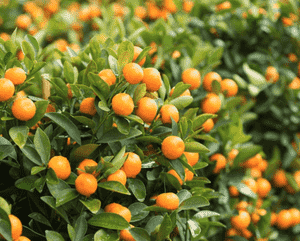
The most favorable period for propagating Kumquat is in the Spring and Summer seasons, utilizing stem sections. This procedure can present a moderate challenge, though the application of rooting stimulant can enhance the likelihood of success. Observe for fresh development as an indicator of successful propagation.
Optimal Time for Kumquat Propagation
Propagation Method
Cutting
Propagation Period
Spring, Summer
Essential Tools for Kumquat Propagation
Sharp Pruning Shears
Utilized for taking kumquat cuttings, ensuring a clean, precise cut that minimizes harm to the parent plant and encourages better healing. The sharp blades facilitate a quick, clean slice, preventing disease introduction.
Rooting Hormone
Applied to the severed end of the kumquat cutting to stimulate root formation. Rooting hormone contains auxins that promote root development, enhancing the likelihood of successful propagation.
Sterile Potting Mix
Offers a disease-free environment for placing kumquat cuttings, lowering the risk of infection. A sterilized mix also guarantees the correct balance of drainage and moisture retention, vital for root development.
Propagation Trays
Used to arrange and support kumquat cuttings as they develop roots. Trays typically feature cells or small pots that hold the medium where cuttings are placed and help maintain consistent moisture levels.
Humidity Dome
Positioned over the propagation tray to maintain high humidity around kumquat cuttings, crucial for preventing dehydration before cuttings establish their own root system to absorb water.
Heat Mat
To provide warmth from below, encouraging root growth in kumquat cuttings. Consistent heat can aid in faster root development, especially in cooler settings or seasons.
Watering Can with a Fine Rose
Employed to gently water kumquat cuttings. A fine rose attachment allows for a soft, even water distribution that will not disturb delicate new roots or the cuttings' placement in the potting mix.
How to Propagate Kumquat?
Propagation Type
Cutting
Difficulty Level
Moderately Difficult
How to Care for Your Newly Propagated Kumquat?
How to Care for Your Newly Propagated Kumquat?
Kumquat needs ample sunlight, consistent moisture, and well-draining soil to flourish after propagation. Position the plant in a sunny spot, watering when the top inch of soil feels dry. Fertilize kumquat with a balanced, slow-release fertilizer specifically for citrus plants during its active growth. Shield the plant from cold by bringing it indoors or covering it, as kumquat is frost-sensitive. Prune kumquat annually to maintain its form and remove any dead or diseased branches. Monitor for pests like aphids and scale, treating as needed with appropriate horticultural oils or insecticides.
Common Mistakes to Avoid When Propagating Kumquat
Overwatering
Excessive watering during kumquat propagation can lead to root rot and fungal issues. Too much moisture reduces oxygen availability, causing roots to suffocate and decay.
Cutting neglect
Using dull or unclean cutting tools can harm kumquat's tissues and introduce pathogens. Clean, sharp tools are vital for precise cuts and to minimize infection risks.
Incorrect soil mix
Choosing an unsuitable soil mix for kumquat propagation can hinder root development. A well-draining mix is essential to prevent waterlogging and provide necessary aeration.
Ignoring rootstock quality
When grafting, using a poor quality or incompatible rootstock for kumquat can result in weak graft unions and poor plant vigor, thus reducing propagation success.
Planting depth
Improper planting depth for kumquat cuttings or seeds may lead to unsuccessful rooting or seed germination. The depth must be appropriate for the chosen propagation method.
Tips For Propagating Kumquat
Humidity control
Maintaining high humidity around kumquat cuttings helps prevent water loss and aids in successful rooting. A humidity dome or plastic bag can create a favorable microenvironment.
Aeration
Ensuring the propagation medium is well-aerated helps prevent diseases and promotes healthy root growth for kumquat. A mix with perlite, sand, or bark can enhance drainage and aeration.
Rooting hormone
Applying a rooting hormone to kumquat cuttings can stimulate root growth and increase the chances of successful propagation.
Grafting technique
Selecting the correct grafting technique that suits kumquat's characteristics ensures a stronger union between scion and rootstock, leading to more vigorous growth.
Monitoring
Regular monitoring of kumquat during the propagation phase is crucial. Watch for signs of disease, pest infestation, and check moisture levels to make necessary adjustments promptly.



