How to Propagate Kaffir lime?
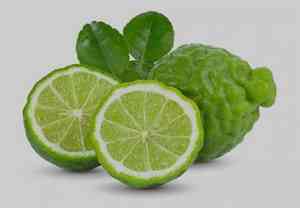
Kaffir lime is most effectively propagated using cuttings acquired in the spring or summer. The emergence of roots and fresh shoots signifies successful propagation. While not overly challenging, ensuring elevated humidity and sufficient warmth can enhance the likelihood of success.
What Is the Best Time To Propagate Kaffir Lime?
Propagation Type
Cutting
Propagation Season
Spring, Summer
What Tools Are Used in Kaffir Lime Propagation?
Sharp Pruning Shears
Crucial for making clean cuts when taking stem sections from kaffir lime, sharp pruning shears lessen the chance of harm to the parent plant and boost the likelihood of successful rooting. They aid in precise cuts vital for not crushing or tearing plant tissue, which could introduce disease.
Rooting Hormone Powder or Gel
This product promotes root formation in kaffir lime stem cuttings. Applying rooting hormone increases the success rate of rooting by stimulating root growth at the cut site, especially beneficial for hardwood cuttings which are typically harder to root.
Sterile Potting Mix
A well-draining, sterile potting medium offers an optimal environment for new kaffir lime roots to develop free from soil-borne pathogens. The correct mix supports aeration and moisture retention, key factors in root development.
Propagation Trays or Containers
These hold the cuttings and potting medium. They must have drainage holes to prevent waterlogging, which can lead to root rot, a common issue during the initial stages of propagation. Clear covers over the trays can help maintain humidity.
Heating Mat (optional)
A heating mat can be placed beneath propagation trays to maintain a consistent and warm soil temperature, which can accelerate the rooting process of kaffir lime cuttings, particularly in cooler climates or during winter.
Misting Bottle
A misting bottle allows for regular, gentle hydration that keeps the humidity high around kaffir lime cuttings, helping prevent them from drying out before roots can establish. A fine mist ensures cuttings are not dislodged or damaged by heavy water droplets.
How to Propagate Kaffir Lime?
Propagation Type
Cutting
Difficulty Level
Moderately Difficult
How to Care for Your Newly Propagated Kaffir Lime?
How to Care for Your Newly Propagated Kaffir Lime?
Post-propagation, kaffir lime needs ample sunlight, though young plants should be shielded from intense midday sun. Consistent watering is vital, allowing the soil to dry slightly between waterings, but never completely. Fertilize with a citrus-specific product as per instructions, typically during the growing season. Prune to shape the tree and remove any dead or diseased parts. Protect kaffir lime from frost and extreme cold, as it is a tropical species.
Common Mistakes to Avoid When Propagating Kaffir Lime
Overwatering
This can lead to root rot, as kaffir lime roots require well-draining conditions. Waterlogged soil is a frequent error that can jeopardize the plant's health and impede its growth.
Ignoring light requirements
Failure to provide kaffir lime with sufficient sunlight can result in spindly growth or a lack of vigor, as these plants are native to tropical regions and thrive in full sun.
Using incorrect soil type
Kaffir lime needs well-draining and slightly acidic soil. Using heavy or clay-rich soil can hinder proper drainage and aeration, stressing the plant and potentially causing root disease.
Inadequate humidity
Kaffir lime originates from a high-humidity environment. Neglecting humidity needs might cause leaves to dry out and reduce the chances of successful propagation.
Ignoring pest management
Kaffir lime is vulnerable to pests like scale, aphids, and mites. Skipping regular inspections for pests can lead to infestations that can weaken or kill the plant.
Improper pruning
Excessive pruning or pruning at the wrong time can stress kaffir lime, potentially leading to a reduced growth rate and lower chances of successful propagation.
Tips For Propagating Kaffir Lime
Partial shade acclimation
Gradually accustom kaffir lime to outdoor conditions if propagated indoors, as abrupt changes in light intensity can shock the plant.
Sterile equipment
Using sterile pruning shears and pots ensures that diseases are not transferred during the cutting and potting process, which is crucial for kaffir lime's health.
Properly timed pruning
Pruning kaffir lime to obtain cuttings should be done when the plant is healthy and in an active growth phase to ensure the cuttings have the best chance of rooting.
Adequate spacing
When planting kaffir lime cuttings, ensure sufficient space between each cutting to allow for ample airflow and light penetration, reducing the risk of fungal growth and encouraging healthy development.
Appropriate watering
Water the kaffir lime cuttings with care, balancing moisture requirements without causing waterlogging, to encourage strong root development without risking root rot.
Rooting hormone application
Applying a rooting hormone to kaffir lime cuttings can enhance root development and increase the likelihood of successful propagation.



