How to Propagate Key lime?
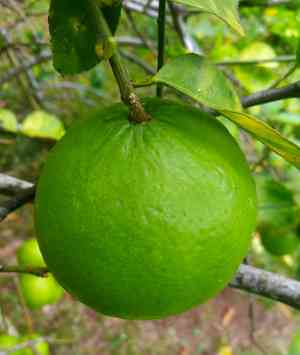
Key lime reproduction is typically achieved via cuttings, usually in the warmer periods of spring and summer. This technique can present some challenges, with indicators of success being the emergence of new leaves and root formation. Sufficient hydration and atmospheric moisture are crucial during the initial phases.
Optimal Time for Key Lime Propagation
Propagation Method
Cutting
Propagation Period
Spring, Summer
Tools Required for Key Lime Propagation
Sharp Pruning Shears
Pruning shears are essential for making clean cuts from the parent key lime plant. A sharp blade minimizes harm to the mother plant and the cutting, encouraging healthier root growth. To prevent disease spread, the shears should be sanitized prior to use.
Rooting Hormone
This substance stimulates root formation at the base of the key lime cutting. By dipping the cut end into the rooting hormone, you enhance the likelihood of successful root development, which is vital for the key lime to establish itself post-transplanting.
Sterilized Potting Mix
A well-draining, pathogen-free potting mix helps prevent fungal infections and offers a nourishing environment for key lime cuttings to form new roots. The absence of harmful organisms in the mix is critical for the delicate initial growth phase of the propagation process.
Propagation Tray or Pots
These containers are utilized to hold the key lime cuttings as they develop roots. The size and depth should be suitable for the size of the key lime cuttings, ensuring that newly forming roots have ample room to grow. Drainage holes are mandatory to prevent waterlogging.
Plastic Cover or Propagation Dome
Maintaining a high humidity environment is advantageous for key lime cuttings to prevent them from drying out before root development. A plastic cover or dome over the propagation tray creates a mini-greenhouse effect, promoting moisture retention.
Heating Mat (optional)
For some cultivators, providing a consistent and appropriate temperature to the base of the propagation tray can improve rooting success rates. The warmth from the heating mat encourages root growth for the key lime cuttings, especially beneficial in cooler climates.
Watering Can with a Gentle Spout
Gentle and controlled irrigation is vital for key lime cuttings to prevent soil disruption or fungal infection. Using a watering can with a gentle spout allows for careful watering, ensuring that the cuttings remain undisturbed and adequately moist.
How to Propagate Key Lime?
Propagation Method
Cutting
Difficulty Level
Moderately Difficult
Caring for Your Newly Propagated Key Lime
Caring for Your Newly Propagated Key Lime
Post-propagation, key lime needs consistent watering, allowing the soil to dry slightly between waterings. Fertilize with a balanced, slow-release citrus fertilizer as per package instructions, typically every few months. Protect from frost, as key lime is sensitive to cold. Prune to shape and remove any suckers for a robust structure. Regularly check for pests like aphids, spider mites, and scale insects, and treat appropriately with horticultural oils or insecticides. Finally, provide support if grown in windy areas to prevent damage to the developing structure.
Common Errors to Avoid When Propagating Key Lime
Ignoring rootstock compatibility
Using incompatible rootstock can result in poor growth or graft failure. Different rootstocks can impart various traits to key lime, such as disease resistance, but mismatched pairings may lead to a weak plant that struggles to thrive.
Overwatering cuttings
Consistently saturated soil can cause key lime cuttings to rot before they establish roots. Excessive watering creates an environment favorable for fungal and bacterial growth that can harm or kill the propagating material.
Neglecting hygiene
Using contaminated tools or pots can introduce pathogens to key lime cuttings or grafts. This oversight can spread diseases, leading to poor plant health or death.
Excessive fertilization
Applying too much fertilizer to key lime cuttings can burn developing roots and impede their growth. Cuttings need to prioritize root development before handling the added stress of nutrient uptake.
Ignoring pests and diseases
Failing to monitor key lime for pests and diseases during propagation can result in infestations or infections that weaken or kill young plants before they have a chance to fully develop.
Tips For Propagating Key Lime
Protecting graft union
Ensuring the graft union of key lime is well-protected and maintained in a stable position aids in the successful integration of scion and rootstock, promoting healthy growth.
Moderate watering practice
Providing a consistent but moderate watering schedule for key lime cuttings ensures the soil is moist but not waterlogged, which can facilitate healthy root formation.
Maintaining sterile conditions
Disinfecting tools and containers before use when propagating key lime can prevent introducing diseases to the cuttings or grafts, thereby increasing the chances of successful plant development.
Gentle fertilization approach
Using a diluted, balanced fertilizer or a root-promoting solution can encourage healthy root growth for key lime without risking damage from excessive nutrients.
Regular monitoring
Regularly inspecting key lime for signs of pests and disease allows for prompt treatment, which is crucial to protect vulnerable new plants during propagation.



