How to Propagate Yellow thistle?
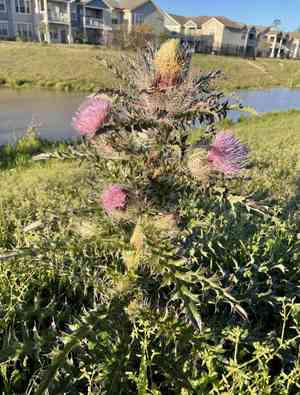
Yellow thistle is generally multiplied through seeding, with springtime representing the most suitable period. While not particularly challenging, successful multiplication is frequently indicated by robust, spiny development. It's crucial to prevent the growing medium from becoming excessively waterlogged.
Optimal Time for Yellow Thistle Propagation
Propagation Method
Seeding
Propagation Period
Spring
Tools for Yellow Thistle Propagation
Seeds trays with humidity domes
Seed trays equipped with humidity domes are effective for starting yellow thistle from seeds. These trays facilitate organized planting, and the domes help maintain consistent moisture and temperature, vital for yellow thistle germination. This setup minimizes seed drying and promotes quicker sprouting.
Fine vermiculite or seed-starting mix
Utilizing fine vermiculite or a specialized seed-starting mix as a growth medium can significantly boost yellow thistle's germination rate. These mediums are lightweight, retain moisture well, and provide adequate aeration for seedlings. They prevent mold growth and support delicate root development in early stages.
Grow lights
Grow lights are crucial when propagating yellow thistle indoors or with limited natural light. They ensure seedlings receive sufficient light, essential for healthy growth and development post-germination. Lights should mimic natural sunlight to encourage strong, uniform growth.
Watering can with a fine rose
A watering can with a fine rose attachment allows for gentle watering, which is vital for keeping yellow thistle seeds and seedlings moist without dislodging or harming them. The fine rose ensures soft, even water dispersion, reducing soil erosion and maintaining optimal moisture levels.
Labels and marker
Labels and markers are often overlooked but essential propagation tools. They are critical for recording sowing dates and any specific care or treatment yellow thistle may need. Proper labeling helps monitor growth and maintain the correct care routine, important for plant health.
How to Propagate Yellow Thistle?
Propagation Type
Simple
Caring for Newly Propagated Yellow Thistle
Caring for Newly Propagated Yellow Thistle
Post-propagation, continue to provide yellow thistle with full to partial sun and moderate watering, allowing the soil to dry slightly between waterings. Yellow thistle doesn't need frequent fertilization; a light annual application of balanced fertilizer should suffice. Being relatively drought-tolerant once established, yellow thistle requires minimal extra water. Monitor regularly for pests or diseases, though it's generally resistant. As yellow thistle can spread, consider its placement to prevent unwanted naturalization in other garden areas.
Common Errors to Avoid When Propagating Yellow Thistle
Ignoring root system sensitivity
Rough handling of yellow thistle roots can cause damage, as yellow thistle possesses a delicate root system. This can hinder root development and decrease overall survival rates during transplantation.
Overcrowding seeds
Sowing yellow thistle seeds too densely can lead to insufficient airflow and light, potentially causing fungal infections and poor seedling growth.
Excessive watering
Overwatering yellow thistle during early propagation stages can result in root rot, as yellow thistle prefers well-drained soil. This excess moisture is detrimental to root health.
Tips For Propagating Yellow Thistle
Gentle handling of roots
When transplanting yellow thistle, ensure gentle handling of roots to prevent damage. This promotes healthier root development and increases successful establishment.
Optimal seed distribution
Yellow thistle seeds should be evenly distributed, not sown too densely. This practice allows sufficient light and air circulation, essential for robust seedling growth.
Controlled watering
Maintain moderate and consistent watering for yellow thistle, ensuring the soil is moist but well-drained. This balance is crucial to prevent root diseases and support healthy growth.



