How to Propagate Garden mum?
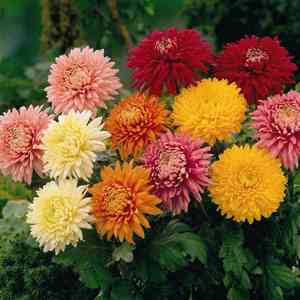
Garden mum is frequently propagated via cuttings from spring to summer because of its simple rooting process. The emergence of new foliage signifies successful rooting, and it is essential to ensure sufficient hydration during this phase.
Optimal Time for Garden Mum Propagation
Propagation Method
Cutting
Propagation Period
Spring, Summer
Tools Required for Garden Mum Propagation
Sharp Pruning Shears
Sharp pruning shears are vital for making clean cuts from the parent plant without harming the stems. They help ensure that garden mum cuttings have a smooth cut surface, which promotes better rooting. Sharp blades minimize infection risk and encourage quick healing of the parent plant's wound.
Rooting Hormone
Rooting hormone powder or gel encourages root growth on garden mum cuttings. This product contains auxins that mimic the plant's natural growth hormones, increasing the likelihood of successful rooting, especially for semi-hardwood cuttings which can be more challenging to propagate.
Sterilizing Agent
A sterilizing agent, such as alcohol or bleach solution, is necessary to disinfect pruning shears before making cuts. This prevents the transfer of diseases and pests to garden mum cuttings, ensuring the health of the propagation material.
Propagation Trays
Propagation trays are used to hold garden mum cuttings after preparation. They should have adequate drainage to prevent waterlogging, which can lead to cutting rot. These trays are instrumental in organizing the cuttings and can be paired with a humidity dome to retain moisture around the cuttings, simulating a greenhouse environment.
Potting Mix
A well-draining potting mix suitable for cuttings provides the necessary medium for garden mum to establish roots. The mix should be light and free of pathogens. Perlite or vermiculite can be added to improve aeration and drainage, which are critical for root development and preventing rot.
Watering Can with Fine Rose
A watering can with a fine rose attachment allows for gentle watering of garden mum cuttings without disturbing the rooting medium or the cuttings themselves. Consistent moisture is important for cuttings to develop roots, but it needs to be applied in a way that doesn't cause soil erosion or introduce too much water at once, which can lead to rot.
Plastic Labels and Marker
Plastic labels and a waterproof marker are used for tagging each garden mum cutting with the date of propagation and any other relevant information. This helps in monitoring the progress of the cuttings and maintaining a proper record for future reference.
Misting Bottle
A misting bottle is useful for maintaining humidity around garden mum cuttings. It allows for frequent and light applications of water, keeping the cuttings moist without over-watering. This is particularly important in the early stages of propagation when roots have not yet formed.
How to Propagate Garden Mum?
Propagation Method
Cutting
Difficulty Level
Easy
Caring for Your Newly Propagated Garden Mum
Caring for Your Newly Propagated Garden Mum
Once garden mum cuttings have successfully rooted, gradually decrease humidity to acclimate them to standard growing conditions. Transplant the cuttings into larger pots or garden beds, ensuring they are placed in a location with well-draining soil and full to partial sunlight. Maintain consistent watering, ensuring the soil stays moist but not soggy, to promote healthy growth. Fertilize garden mum plants with a balanced, slow-release fertilizer according to the product instructions. Regularly deadhead spent blooms to encourage more flowering and to maintain the plant's shape and size. As winter approaches, in colder regions, mulch around the base of garden mum or bring potted garden mum indoors to protect them from frost.
Common Errors to Avoid When Propagating Garden Mum
Overwatering
When propagating garden mum, gardeners might tend to water the plant too frequently. Overwatering can lead to root rot and fungal diseases, which severely hampers the plant's ability to establish a healthy root system in new propagules.
Using old or contaminated soil
If gardeners use soil that is not fresh or sterile, it can contain pathogens or pests, leading to poor growth or disease in the garden mum cuttings or divisions.
Not providing adequate light
Propagated garden mum need sufficient light to grow but too direct or intense can cause the foliage to burn. Balance is critical to ensure that the plant gets the right amount of energy without stress.
Ignoring humidity needs
Garden mum requires higher humidity levels during the initial stages of propagation. Ignoring this need can lead to desiccation of the cutting or leaf, thereby decreasing the chances of successful root development.
Cutting improper node placement
Cuttings for garden mum propagation should include a node, the point on the stem where leaves are attached. Mistakes in cutting either too high or too low from the node can hinder rooting.
Tips For Propagating Garden Mum
Select healthy parent plants
Always start with robust and healthy parent plants for garden mum. Healthy parents increase the chance of successful propagation.
Use clean, sharp tools
When taking cuttings or dividing garden mum, using clean and sharp tools helps prevent disease transmission and ensures a clean cut for better healing and rooting.
Rooting hormone
Applying a rooting hormone to garden mum cuttings can enhance root development. It can stimulate faster and more reliable rooting.
Monitor water levels
Keep the soil of garden mum cuttings consistently moist but not waterlogged. Good drainage is crucial for healthy root development without rot.
Gentle handling
When transplanting garden mum, handle the plant and roots gently to minimize stress and damage, which can set back growth and delay rooting.



